Inside Our Studio | Yoga & Pilates Space in NY | Travel Yoga
Exploring the Science of Meditation: Transforming Your Brain in 30 Days
Meditation has been practiced for thousands of years, often associated with spiritual growth and mental clarity. In recent times, scientific studies have begun to reveal the profound effects of meditation on the brain, particularly when practiced consistently over time. What happens to the brain after 30 days of meditation? This question is significant for anyone looking to enhance their well-being through mindfulness.
12/28/20252 min read
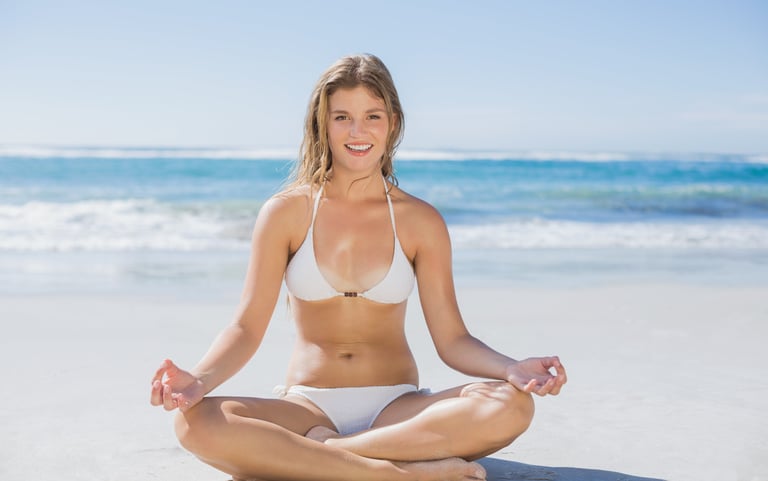

Understanding Meditation and Its Impact on the Brain
Meditation has been practiced for thousands of years, often associated with spiritual growth and mental clarity. In recent times, scientific studies have begun to reveal the profound effects of meditation on the brain, particularly when practiced consistently over time. What happens to the brain after 30 days of meditation? This question is significant for anyone looking to enhance their well-being through mindfulness.
Neuroplasticity: The Brain's Capacity to Change
One of the most remarkable findings in neuroscience is the concept of neuroplasticity. This is the brain's ability to reorganize itself by forming new neural connections throughout life. Regular meditation has been shown to enhance neuroplasticity, making the brain more adaptable and resilient. After just 30 days of consistent practice, meditators may experience an increase in gray matter volume in key areas of the brain, particularly those related to emotion regulation, memory, and attention.
The Science Behind Meditation's Effects
Research indicates that 30 days of meditation can lead to significant alterations in brain structure and function. For instance, studies using MRI scans have demonstrated that individuals who meditate regularly exhibit increased thickness in the prefrontal cortex, the area responsible for higher-order thinking and self-regulation. Additionally, meditation practice has been shown to reduce the size of the amygdala, the brain's center for stress response, leading to better emotional control and decreased anxiety levels.
Furthermore, improved connectivity within brain networks is observed among those who meditate. Enhanced communication between various brain regions facilitates improved focus, emotional stability, and overall cognitive performance. The release of neurotransmitters like serotonin and dopamine during meditation contributes to increased feelings of well-being, making the practice not just beneficial for the mind but also for emotional health.
Wellness Benefits Beyond the Brain
While the scientific insights into the brain's transformation are compelling, the holistic benefits of meditation extend beyond neurology. Practitioners often report improvements in sleep quality, reductions in stress levels, and better overall health. These benefits are further supported by research that correlates regular meditation with lower blood pressure, enhanced immune function, and a greater sense of connection to oneself and others.
Embracing a 30-Day Practice
Embarking on a 30-day meditation journey can yield profound changes in your mental and emotional landscape. Starting with just a few minutes a day can be beneficial. As you gradually increase your practice time, you may find a deeper sense of peace and well-being taking shape. Consider integrating different forms of meditation—such as mindfulness, loving-kindness, or guided meditations—to discover what resonates with you.
In conclusion, the science of meditation reveals noteworthy transformations that occur within the brain and beyond. By committing to just 30 days of practice, you can embrace a journey that enriches not only your mind but your overall quality of life. With consistency and an open heart, the benefits of meditation can unfold, guiding you toward a more centered and aware existence.
Ready to get on the mat?
Book your first visit and experience the space for yourself. We'll confirm within 24 hours, and your first class is 20% off.
Address
Book My First Visit
info@travelyoga.com.br
+1-555-123-4567
© 2026 Travel Yoga. All rights reserved. reserved.
Questions about the studio, the schedule, or your first visit? Reach out and we'll help you find the best place to begin.