Inside Our Studio | Yoga & Pilates Space in NY | Travel Yoga
Discover the Profound Rest of Yoga Nidra: Your Path to Deep Renewal
In the midst of our fast-paced lives, finding moments of true restoration is essential for maintaining balance and vitality. Yoga Nidra, often referred to as yogic sleep, offers a powerful practice for achieving profound relaxation while remaining consciously aware.
12/27/20252 min read
Discover the Profound Rest of Yoga Nidra: Your Path to Deep Renewal
In the midst of our fast-paced lives, finding moments of true restoration is essential for maintaining balance and vitality. Yoga Nidra, often referred to as yogic sleep, offers a powerful practice for achieving profound relaxation while remaining consciously aware. This ancient technique invites you to lie down in complete stillness, guiding the mind and body into a state of deep rest that rejuvenates on physical, mental, and emotional levels.
What Is Yoga Nidra?
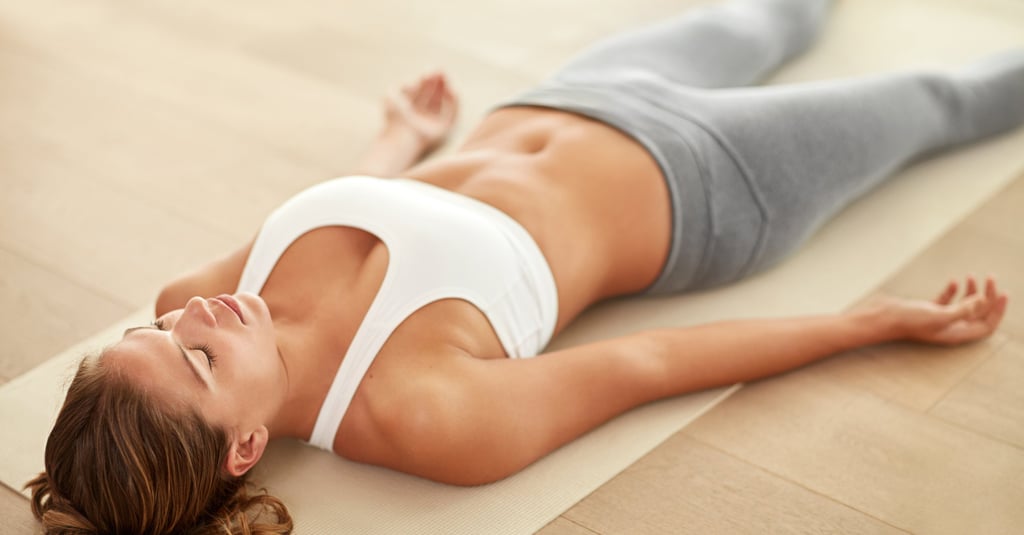
Yoga Nidra is a systematic guided meditation practiced in Savasana (corpse pose), where the body remains immobile while awareness gently shifts inward. Unlike traditional asana-based yoga, it requires no physical effort—simply lying comfortably and following a guided sequence. This practice bridges the gap between wakefulness and sleep, allowing access to deeper layers of consciousness. Rooted in ancient tantric traditions, modern adaptations make it accessible to everyone, from beginners to seasoned practitioners.
The Transformative Benefits
Research and experiential evidence highlight Yoga Nidra's remarkable effects:
- Deep Relaxation and Stress Reduction: It activates the parasympathetic nervous system, calming the fight-or-flight response and lowering cortisol levels.
- Improved Sleep Quality: Equivalent to hours of restorative sleep in a short session, it helps alleviate insomnia and promotes rejuvenation.
- Enhanced Mental Clarity: Regular practice supports emotional healing, reduces anxiety, and fosters greater self-awareness.
- Physical Healing: By minimizing bodily functions temporarily, it aids in recovery, toxin release, and overall homeostasis.
Incorporating Yoga Nidra into your routine complements an active practice, providing the yin to your yang—balancing effort with effortless renewal.
How to Practice Yoga Nidra
Prepare a quiet space with your favorite mat, a blanket for warmth, and dim lighting. Lie down in Savasana, ensuring complete comfort.
1. Set an Intention (Sankalpa): Begin with a positive affirmation, such as "I am at peace" or "I embrace deep rest."
2. Body Awareness: Scan the body systematically, releasing tension from each part.
3. Breath Observation: Notice the natural flow of breath without alteration.
4. Visualization: Allow guided imagery to unfold, often evoking serene natural scenes.
5. Return Gently: Reawaken awareness slowly, integrating the sense of calm.
Sessions typically last 20–45 minutes. For guidance, explore classes on platforms like Alo Moves, where expert instructors lead transformative experiences.
Embrace Yoga Nidra as a sanctuary for your well-being. In this practice of conscious rest, discover the effortless path to inner harmony and renewed energy. Move mindfully—your body and mind will thank you.
Ready to get on the mat?
Book your first visit and experience the space for yourself. We'll confirm within 24 hours, and your first class is 20% off.
Address
Book My First Visit
info@travelyoga.com.br
+1-555-123-4567
© 2026 Travel Yoga. All rights reserved. reserved.
Questions about the studio, the schedule, or your first visit? Reach out and we'll help you find the best place to begin.