Inside Our Studio | Yoga & Pilates Space in NY | Travel Yoga
Ashtanga Yoga: A Beginner's Roadmap
Ashtanga Yoga, a dynamic and structured form of yoga, originated in India and was popularized by the renowned teacher K. Pattabhi Jois in the 20th century. It is based on ancient yoga texts and integrates a combination of physical postures (asanas), breath control (pranayama), and a focused mind. This tripartite approach allows practitioners to cultivate a deep connection between body, breath, and spirit.
6/20/20268 min read
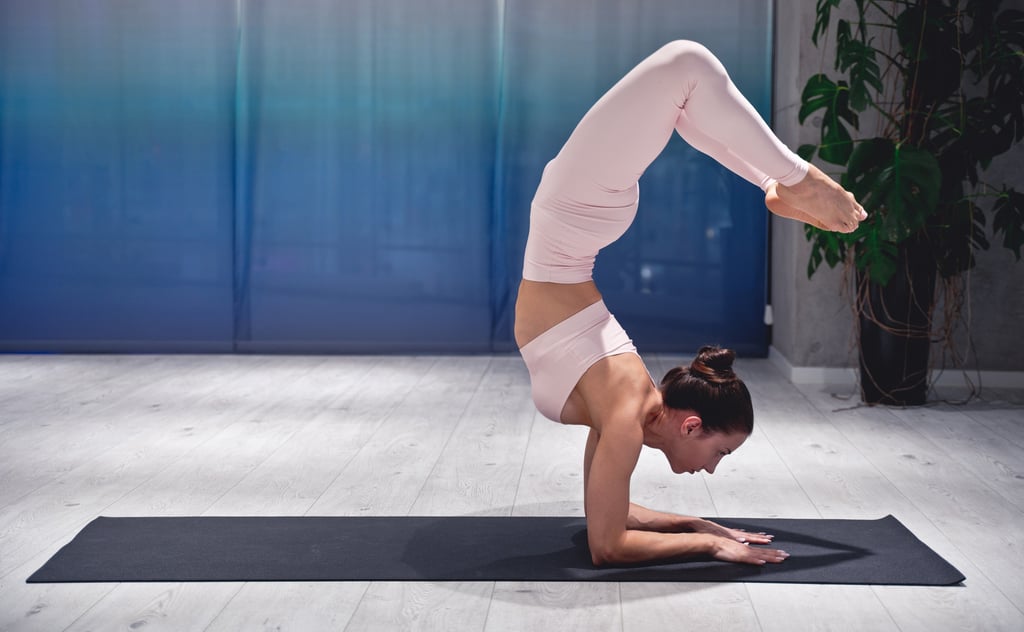
Introduction to Ashtanga Yoga
Ashtanga Yoga, a dynamic and structured form of yoga, originated in India and was popularized by the renowned teacher K. Pattabhi Jois in the 20th century. It is based on ancient yoga texts and integrates a combination of physical postures (asanas), breath control (pranayama), and a focused mind. This tripartite approach allows practitioners to cultivate a deep connection between body, breath, and spirit.
The philosophy behind Ashtanga Yoga is heavily influenced by the Yoga Sutras of Patanjali, which emphasize the eight limbs of yoga (ashtanga) that guide practitioners towards self-realization and enlightenment. These limbs include ethical guidelines, physical practice, breath regulation, sensory withdrawal, concentration, meditation, and ultimately, liberation. By adhering to these principles, Ashtanga Yoga fosters not only physical strength and flexibility but also mental clarity and emotional resilience.
What sets Ashtanga Yoga apart from other yoga styles is its structured sequences and the concept of vinyasa, which is the synchronized movement of breath and movement. This method not only promotes a rhythmic flow but also enhances cardiovascular health, making it appealing to beginners seeking a comprehensive workout alongside spiritual development. The practice is divided into six series, each with its own set of postures, allowing individuals to progress at their own pace while challenging them to improve their physical capabilities gradually.
Moreover, Ashtanga Yoga encourages individuals to establish a self-practice routine, fostering a sense of discipline and dedication that often leads to profound personal transformation. As a result, beginners are drawn to Ashtanga Yoga for its clarity, structure, and the holistic benefits it offers, paving the way for a deep understanding of their physical and mental potential.
Understanding the Ashtanga Yoga Series
The Ashtanga Yoga system, founded by Sri K. Pattabhi Jois, consists of a series of postures that are meticulously organized into distinct series: the Primary, Intermediate, and Advanced. Each of these series is designed to enhance both physical and mental strength through a structured progression, making Ashtanga Yoga highly systematic. For beginners, it is essential to grasp the foundational elements of these series for a successful practice.
The Primary Series, known as "Yoga Chikitsa" or Yoga Therapy, is where most aspiring yogis start their journey. It comprises 75 poses designed to detoxify and align the body, while also stabilizing and strengthening the mind. Beginners can expect to focus on fundamental postures that encourage proper alignment and breathing techniques. This series establishes a solid foundation for future asanas and helps practitioners build the strength necessary for more advanced practices.
Once the Primary Series is mastered, practitioners may advance to the Intermediate Series, referred to as "Nadi Shodhana" or Nerve Purification. This series incorporates more challenging poses that open energy channels and purify the body. It is often considered a significant leap in difficulty, requiring a deeper understanding of the earlier postures and greater physical endurance. The Intermediate Series introduces more intricate poses, and practitioners may need additional support during this phase.
For those who are proficient in both the Primary and Intermediate Series, the Advanced Series awaits. These series are classified into four levels, each progressively increasing in complexity and demand. Advanced practitioners can expect to execute advanced postures that not only require flexibility and strength but also an advanced level of focus and mental discipline. This level is often reserved for seasoned yogis who have dedicated considerable time and effort to the Ashtanga practice.
Key Principles and Breathing Techniques
Ashtanga Yoga is deeply rooted in a series of interrelated principles that govern its practice. A foundational concept is Vinyasa, which refers to the synchronization of movement with breath. In this context, each posture is linked with an inhalation or an exhalation, creating a fluid sequence that enhances the practitioner’s experience. This mindful coordination of breath and movement not only promotes physical strength and flexibility but also facilitates a meditative state, allowing the mind to settle, thus improving focus and clarity.
Another essential element is Drishti, or gaze. This practice involves focusing the eyes on a specific point during each asana (pose), which aids in maintaining concentration and directing energy within the body. By limiting distractions, Drishti reinforces mental discipline, further deepening the connection between mind and body, which is vital for achieving a holistic understanding of Ashtanga Yoga.
The concept of Bandhas, or energy locks, plays a significant role in the practice as well. Bandhas are specific muscular contractions that help control the flow of prana, or life energy, throughout the body. The engagement of these locks supports stability in the poses and fosters greater awareness of internal sensations, nurturing a deeper connection to one’s own physical and energetic body.
An important aspect of Ashtanga Yoga is the Ujjayi breathing technique, often referred to as “victorious breath.” This style of breathing involves a gentle constriction at the back of the throat, producing a soft sound similar to ocean waves. Ujjayi breathing enhances oxygen consumption, promotes endurance, and cultivates internal heat, which aids in detoxification through sweating. Practicing Ujjayi not only stabilizes the mind during challenging sequences but also fosters a sense of calm and relaxation, essential for both beginners and experienced practitioners alike.
The Importance of a Consistent Practice
Ashtanga Yoga, a dynamic and disciplined form of yoga, places significant emphasis on the importance of a consistent practice. This approach fosters not only physical strength but also mental resilience, inviting practitioners to develop a deeper connection with themselves and their yoga journey. Establishing a regular routine can enhance the effectiveness of Ashtanga Yoga, allowing individuals to witness progress and achieve new levels of skill and understanding.
One of the key benefits of consistent practice in Ashtanga Yoga is the gradual improvement in flexibility, strength, and overall physical fitness. As practitioners engage with increasingly challenging poses over time, the body adapts and strengthens, leading to enhanced performance. Moreover, regularity in practice fosters muscle memory, which is critical for mastering advanced poses. Practitioners often note that the more they practice, the more easily they can progress, as each session builds upon the last.
Creating a sustainable practice schedule is essential for achieving these physical benefits and supporting one's mental well-being. Setting aside specific times during the week dedicated to Ashtanga Yoga can help create a rhythm that integrates seamlessly into one’s daily life. It is advisable to start with shorter sessions, gradually increasing the duration and intensity as comfort and confidence grow. Furthermore, journaling or reflecting on one’s practice can enhance self-awareness, making it easier to recognize both accomplishments and areas in need of improvement.
In addition to the physical aspects, a consistent practice in Ashtanga Yoga cultivates discipline and mindfulness. The meditative nature of this practice encourages practitioners to focus on their breath, movements, and internal dialogues. This mental aspect not only promotes a calm state but also provides valuable tools for managing stress and enhancing emotional stability. Ultimately, the commitment to a regular Ashtanga practice can lead to profound personal growth and a deeper understanding of oneself.
Common Challenges Faced by Beginners
Embarking on the journey of Ashtanga Yoga presents a range of challenges that beginners often encounter. The most prominent of these hurdles include flexibility, strength, and breath coordination. Each of these elements plays a critical role in mastering the practice and enhancing overall well-being.
Flexibility is frequently cited as a primary barrier for newcomers. Many individuals may feel intimidated by the idea of contorting their bodies into various asanas, especially when witnessing seasoned practitioners perform complex postures. It is important to remember that flexibility is not an innate quality but rather a skill developed through consistent practice. Beginners should approach their yoga sessions with patience, recognizing that improvement comes with time and dedication. Incorporating gradual stretches and restorative poses can aid in increasing flexibility without leading to injury or frustration.
Strength, another essential component of Ashtanga Yoga, often poses challenges for beginners. The vigorous nature of the practice requires a certain level of physical strength to perform postures effectively. New practitioners may benefit from complementary strength-training exercises outside of their yoga routine. Focusing on core stability and upper body strength can enhance performance in poses that demand endurance, ultimately leading to greater confidence while practicing.
Lastly, breath coordination is a crucial aspect of Ashtanga Yoga that can cause difficulty for those just starting. The practice emphasizes the synchronization of breath with movement, known as Vinyasa. To overcome this challenge, beginners should familiarize themselves with the principles of Ujjayi breath, ensuring they maintain a steady and controlled rhythm. Practicing pranayama techniques can further assist in mastering this aspect, resulting in a more fulfilling experience during asana practice.
By recognizing these common challenges and implementing practical strategies, beginners can cultivate resilience and progress on their Ashtanga Yoga journey. With dedication and self-compassion, one can navigate these initial obstacles and fully embrace the transformative potential of their practice.
Finding the Right Instructor and Community
Choosing the appropriate instructor is a crucial step for anyone beginning their journey into Ashtanga Yoga. A competent and knowledgeable instructor can greatly influence a student's experience, ensuring a strong foundation for their practice. When seeking an Ashtanga Yoga teacher, it is essential to consider their qualifications, teaching style, and level of experience. Look for instructors who have completed an accredited Ashtanga Yoga teacher training program, ideally under a reputable lineage. Ensuring that the instructor has a solid understanding of the Ashtanga system is vital, as this practice requires precision and adherence to specific sequences.
Another aspect to consider is the teacher's approach to modifications and adjustments. A good Ashtanga Yoga instructor should demonstrate an ability to cater to various skill levels, which includes offering modifications for beginners and allowing space for advanced practitioners. Pay attention to their communication style; a supportive and encouraging demeanor can foster an inclusive environment that is conducive to learning.
Additionally, finding a community of like-minded practitioners can significantly enhance your Ashtanga Yoga journey. Group classes not only provide motivation and accountability but also create a sense of belonging. Practicing with a supportive community aids in maintaining consistency, as group dynamics can inspire individuals to stay committed to their practice. Engaging with fellow students offers opportunities for shared learning and the exchange of experiences, which can deepen one’s understanding of the practice.
Consider exploring nearby yoga studios that specialize in Ashtanga Yoga, or check online platforms for virtual classes and communities. Many instructors emphasize community engagement, ensuring that students feel welcomed and supported. Ultimately, finding the right instructor and community can enhance the overall Ashtanga Yoga experience, paving the way for a fulfilling practice.
Resources for Further Learning and Practice
Embarking on the Ashtanga Yoga journey can be both enriching and challenging. To support your growth beyond the initial stages, it is essential to explore a variety of resources that cater to different learning preferences. There are numerous options available, from comprehensive books to interactive online classes.
Books remain a valuable resource for deepening one’s understanding of Ashtanga Yoga. Classics such as "Yoga Mala" by Pattabhi Jois offer insights directly from the founder of the practice. Other notable titles include “The Complete Ashtanga Yoga Manual” by David Swenson, which provides detailed instructions on poses, breathing techniques, and the philosophy behind Ashtanga Yoga.
Online classes have gained popularity, especially for beginners looking for accessible instruction. Platforms like YogaGlo and Ashtanga Yoga Revolution offer video classes tailored for all levels. These resources provide the guidance needed to master the sequences at your own pace, enhancing your home practice. Additionally, YouTube hosts various channels that feature seasoned practitioners demonstrating Ashtanga sequences, useful tips, and modifications for beginners.
For those who prefer mobile solutions, several apps can significantly aid in Ashtanga practice. 'Ashtanga Yoga App' and 'Yoga Studio' provide guided sessions, pose libraries, and customizable class features, allowing practitioners to refine their skills conveniently.
Lastly, attending workshops led by experienced Ashtanga Yoga instructors can offer immersive experiences that deepen one’s practice. Look for local studios or online workshops that provide foundational courses focusing on technique, adjustment, and the philosophy of Ashtanga Yoga. These engagements not only enhance physical skills but also foster a sense of community among practitioners.
Ready to get on the mat?
Book your first visit and experience the space for yourself. We'll confirm within 24 hours, and your first class is 20% off.
Address
Book My First Visit
info@travelyoga.com.br
+1-555-123-4567
© 2026 Travel Yoga. All rights reserved. reserved.
Questions about the studio, the schedule, or your first visit? Reach out and we'll help you find the best place to begin.