Inside Our Studio | Yoga & Pilates Space in NY | Travel Yoga
Yoga for Deep Sleep: Evening Routine
The intricate relationship between yoga and sleep has garnered significant attention, especially in today's fast-paced world where sleep disorders are increasingly prevalent. Yoga, through its blend of physical postures, controlled breathing, and meditation, offers a holistic approach that addresses both the physiological and psychological factors contributing to deep sleep.
6/20/20267 min read
Introduction to Yoga and Sleep
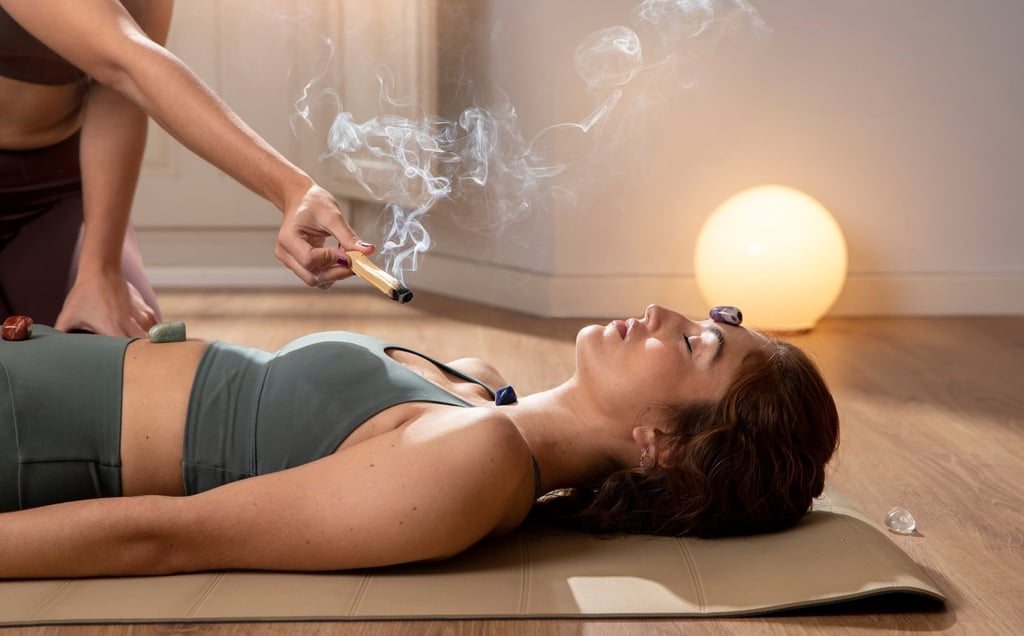
The intricate relationship between yoga and sleep has garnered significant attention, especially in today's fast-paced world where sleep disorders are increasingly prevalent. Yoga, through its blend of physical postures, controlled breathing, and meditation, offers a holistic approach that addresses both the physiological and psychological factors contributing to deep sleep.
Physiologically, yoga enhances the body's relaxation response, which is crucial for initiating sleep. It promotes the production of melatonin, a hormone that regulates sleep-wake cycles, thus facilitating a smoother transition into sleep. Additionally, yoga encourages blood circulation and reduces tension in the body, ameliorating conditions such as insomnia and restless leg syndrome, which can impede the path to restorative sleep.
Psychologically, the practice of yoga cultivates mindfulness, enabling individuals to manage stress and anxiety more effectively. High stress levels are a common precursor to sleep-related issues, often leading to a cycle of worry that disrupts the ability to fall asleep. By fostering mental clarity and emotional stability, yoga helps to create a conducive environment for sleep. Techniques such as deep breathing and meditation included in yoga practices not only calm the mind but also enable the practitioner to release negative thoughts and tensions that may surface at the end of the day.
Moreover, common sleep issues such as chronic insomnia, sleep apnea, and other disorders can be positively influenced by regular yoga practice. Through consistent engagement in deliberate and restorative movements, individuals can develop a much-needed routine that signals the body it is time to unwind. The integration of yoga into an evening routine not only prepares one physically and mentally for sleep but also sets the stage for a night of deep, uninterrupted rest.
The Importance of an Evening Routine
Establishing an evening routine plays a crucial role in preparing both the mind and body for deep sleep. As the day winds down, a consistent routine serves as a signal to your body that it’s time to transition from the active pace of daily life to a more tranquil state conducive to rest. This practice can significantly enhance your ability to fall asleep more easily and enjoy a more restorative night’s sleep.
A well-structured evening routine typically includes activities that promote relaxation, such as gentle stretching, meditation, or reading. Engaging in these calming practices can help to ease the mind and release the stresses accumulated throughout the day. Importantly, such activities can lower cortisol levels, leading to a more peaceful mental environment. Additionally, a consistent routine reinforces your body’s natural circadian rhythms, which regulate sleep-wake cycles, ensuring you feel calm and ready for sleep at the appropriate time.
Incorporating techniques such as yoga into your evening schedule can also be beneficial, as it combines physical activity with mindfulness. Through gentle movements and breath control, yoga prepares your body for rest and significantly reduces anxiety and tension. Keeping the same schedule each evening further enhances your body’s recognition of this routine, making it easier to unwind.
Moreover, the benefits of having a calming evening routine extend beyond sleep; they also promote overall well-being. Individuals who practice an organized evening regimen often find improved mood and energy levels the following day. As a result, adopting an evening routine dedicated to fostering relaxation can have a lasting positive impact on both sleep quality and daily functioning. By understanding the importance of this practice, individuals can take meaningful steps toward achieving a more restful night's sleep.
Yoga Poses for Deep Sleep
Integrating yoga poses into your evening routine can significantly enhance your ability to attain deep sleep. These poses aid in relaxation and alleviating tension, promoting a tranquil state beneficial for restful slumber. Here are several key poses specifically chosen for their calming effects:
1. Supta Baddha Konasana (Reclining Bound Angle Pose)
This restorative pose opens the hips and encourages relaxation. To perform it, lie on your back, bringing the soles of your feet together and allowing your knees to gently fall outward. Keep your arms relaxed at your sides or extend them overhead. Hold this position for 5-10 minutes while focusing on deep breathing. The benefits include reduced anxiety and an invitation for tranquility, which can lead to deep sleep.
2. Viparita Karani (Legs-Up-the-Wall Pose)
Viparita Karani is effective for passive stretching and calming the nervous system. Find a wall space to lie on your back, with your legs extended up the wall at a 90-degree angle. Your arms should rest comfortably on the floor. Stay in this position for 5 to 15 minutes, breathing slowly. This pose enhances circulation and reduces fatigue, setting the stage for deeper sleep.
3. Savasana (Corpse Pose)
A quintessential end to any yoga practice, Savasana fosters complete relaxation. Lay flat on your back, feet shoulder-width apart, with your arms slightly away from your body, palms facing upward. Allow your mind to clear and focus on your breath for 5-10 minutes. This pose encourages mindfulness and eases muscle tension, leading to profound relaxation, crucial for deep sleep.
As you commit to these poses, be mindful of your body’s responses, allowing the peaceful energies of these practices to prepare you for a restful night's sleep. Regular inclusion of such yoga poses can enhance overall sleep quality, ensuring you wake refreshed and rejuvenated.
Breathwork Techniques for Relaxation
Incorporating breathwork into your evening routine can significantly enhance your ability to achieve deep sleep. Breathwork techniques play a pivotal role in promoting relaxation and calming the nervous system. By focusing on your breath, you can shift your attention away from the day’s stressors, thereby creating a peaceful environment conducive to restful sleep.
One effective technique is the 4-7-8 breathing method. This approach encourages you to breathe in for four seconds, hold that breath for seven seconds, and exhale slowly for eight seconds. This rhythmic pattern allows for increased relaxation by lowering your heart rate and promoting a sense of tranquility. Engaging in this exercise just before bed can signal to your body that it is time to unwind, making it easier to transition into a restful state.
Another beneficial method is the diaphragmatic breathing technique. This involves deep belly breathing, where you consciously engage your diaphragm as you inhale deeply, allowing your abdomen to expand fully. This technique not only promotes relaxation but also enhances oxygen flow, which can further calm your mind and body, laying the groundwork for a good night’s sleep.
Moreover, practicing
Meditation Practices for Restfulness
Meditation serves as a powerful complement to yoga, especially for those seeking deep sleep through an evening routine. Engaging in meditation can calm the mind, reduce stress, and promote relaxation, all of which are essential for achieving restful sleep. Various types of meditation techniques can be employed to enhance your bedtime routine.
One effective method is guided meditation, where individuals listen to a recorded voice or instructions designed to lead them through a relaxing journey. This practice often incorporates visualization, focusing the mind on peaceful imagery such as tranquil landscapes or soothing sounds. Research suggests that guided meditation can significantly lower anxiety and sleep-related issues, making it a beneficial addition to your nightly habits.
Another popular technique is mindfulness meditation, which emphasizes living in the moment and acknowledging thoughts without judgment. This practice encourages individuals to focus their attention on their breath or bodily sensations, helping them to cultivate a sense of awareness and presence. Regular practice of mindfulness can lead to improvements in sleep quality and overall well-being.
To incorporate meditation into your evening routine, it is essential to establish a consistent schedule. Aim to set aside 10 to 20 minutes each night dedicated to meditation. This can be done after yoga, allowing the body to transition smoothly from physical activity to mental relaxation. Choose a comfortable and quiet space, free from distractions, to create an inviting atmosphere conducive to meditation.
It is also beneficial to experiment with different forms of meditation to discover what resonates best with you. Whether through guided sessions or mindfulness practices, finding the right fit can enhance your journey toward achieving deep sleep. By regularly integrating these meditation techniques into your evening routine, you can improve your sleep quality and promote greater overall tranquility.
Creating the Ideal Sleep Environment
Establishing a conducive sleep environment is paramount for enhancing the effectiveness of yoga practices before bedtime. A peaceful atmosphere not only facilitates relaxation but also plays a crucial role in signaling to your body that it is time to wind down and prepare for restorative sleep. The following elements are essential in creating such an environment.
Lighting is one of the most significant factors in promoting a calming atmosphere. Dimming the lights in your bedroom can help signal to your body that it is time to relax. Consider using soft, warm-colored bulbs or candles to reduce harsh lighting that might disrupt your ability to unwind. Reducing exposure to blue light from screens at least an hour before your sleep routine is also beneficial. This will help melatonin production, which is crucial in regulating sleep cycles.
The temperature of your sleeping space should also be optimized for comfort. Generally, a cooler room—typically between 60 to 67 degrees Fahrenheit (15 to 19 degrees Celsius)—is recommended for sleeping. Your body naturally cools down during sleep, and maintaining a lower temperature can enhance this process and improve the quality of rest you achieve after practicing yoga.
Minimizing distractions is another vital step in creating a suitable sleep environment. This includes silencing electronic devices or leaving them in another room to avoid disturbances related to notifications. Additionally, consider utilizing blackout curtains to block outside light and employing sound machines or earplugs to dampen disruptive noises. All of these adjustments work together to reduce distractions, allowing you to focus on your yoga practice, and ultimately a more restful night.
By paying attention to these elements when crafting the ideal sleep environment, individuals can significantly enhance their yoga practice's effectiveness and set the stage for deep, restorative sleep.
Conclusion and Call to Action
In summary, incorporating yoga into an evening routine presents numerous benefits for achieving deep sleep and enhancing overall well-being. The various yoga poses and relaxation techniques discussed throughout this blog post serve as effective tools to unwind both the body and mind. By practicing gentle stretches and incorporating mindfulness, individuals can experience a more restful sleep, reduce anxiety, and improve their overall sleep quality.
Establishing a consistent evening routine that includes these yoga practices is essential for reaping the full benefits. This routine not only prepares the body for rest but also signals to the brain that it is time to wind down. Practicing yoga regularly can help individuals develop healthier sleep patterns and foster a calmer state of mind.
We encourage readers to try the suggested yoga poses and breathing techniques as part of their nightly rituals. The transformation to a more restful night’s sleep may take time, but with persistence and dedication to the routine, the outcomes can be transformative. Share your experiences and progress with us as you explore these practices, and let us know how they have impacted your ability to achieve deep, restorative sleep. Remember, your journey to better sleep begins with the first mindful breath of your yoga session.
Ready to get on the mat?
Book your first visit and experience the space for yourself. We'll confirm within 24 hours, and your first class is 20% off.
Address
Book My First Visit
info@travelyoga.com.br
+1-555-123-4567
© 2026 Travel Yoga. All rights reserved. reserved.
Questions about the studio, the schedule, or your first visit? Reach out and we'll help you find the best place to begin.