Inside Our Studio | Yoga & Pilates Space in NY | Travel Yoga
30-Day Yoga Challenge for Real Results
The 30-Day Yoga Challenge is an initiative designed to engage individuals in a transformative journey through daily yoga practice. It is not merely a routine; rather, it is a commitment to invest in one’s physical health, mental well-being, and overall personal growth. By dedicating time each day to yoga, participants can experience myriad benefits that extend beyond the mat.
6/20/20267 min read
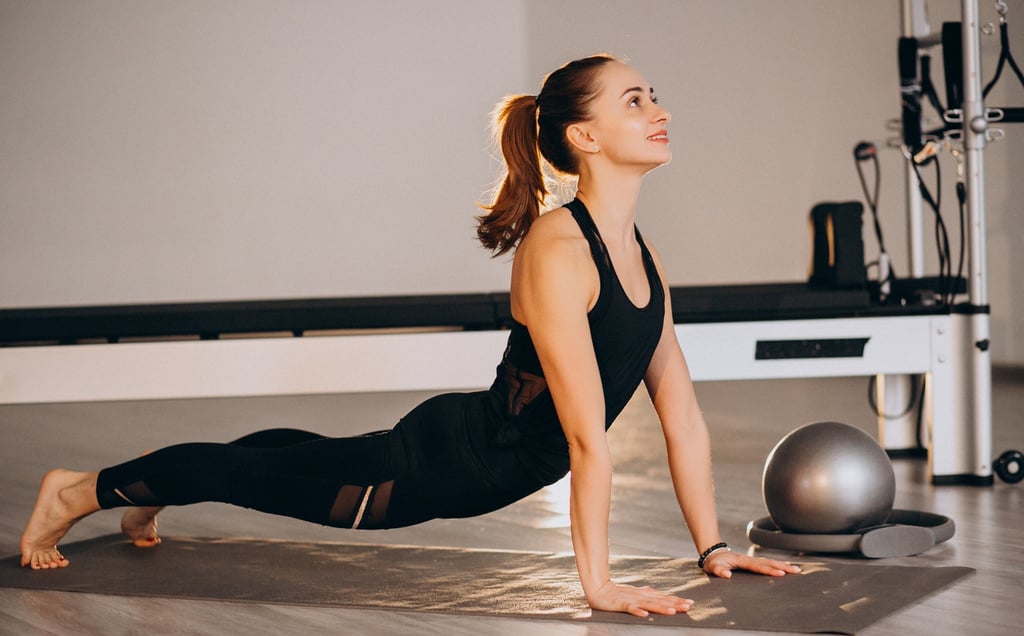
Introduction to the 30-Day Yoga Challenge
The 30-Day Yoga Challenge is an initiative designed to engage individuals in a transformative journey through daily yoga practice. It is not merely a routine; rather, it is a commitment to invest in one’s physical health, mental well-being, and overall personal growth. By dedicating time each day to yoga, participants can experience myriad benefits that extend beyond the mat.
The significance of participating in a 30-day yoga challenge lies in its ability to foster consistency and discipline. Committing to a daily practice encourages individuals to cultivate a deeper connection with their bodies and minds. Through various yoga postures and breathing techniques, practitioners can enhance their flexibility, strength, and balance, while alleviating physical tension and promoting relaxation.
Moreover, the mental and emotional benefits of a sustained yoga practice are profound. Yoga provides a space for introspection and mindfulness, helping participants to manage stress, improve focus, and build resilience. Such mental clarity often leads to increased productivity and a more positive outlook on life. This challenge is an opportunity for individuals to reflect on their personal motivations, whether it be to relieve anxiety, increase self-awareness, or improve overall health.
Engaging in a 30-day yoga challenge can also foster a sense of community among participants, as many choose to share their experiences and progress with others. This shared journey can encourage accountability and provide support, motivating individuals to persevere even on the challenging days. Thus, the 30-day yoga challenge serves as a catalyst for positive change, encouraging individuals to embrace a holistic lifestyle that nurtures both body and mind.
Setting Your Intentions
Embarking on a 30-day yoga challenge represents not just a commitment to practicing yoga but also an opportunity for personal growth and self-discovery. A fundamental stepping stone in this journey is the clarification of your intentions. Intention-setting creates a roadmap for what you wish to achieve during the challenge, whether it is enhancing flexibility, cultivating strength, reducing stress, or deepening your mindfulness practice.
Before initiating the challenge, take a moment for self-reflection. Consider the motivation behind your decision to participate. Ask yourself what you hope to gain from this experience. Is there a specific area of your physical or mental well-being that you feel requires attention? By articulating your goals, you create a personal connection to the practice, making each session more meaningful.
It might be helpful to write down your intentions. For example, if your aim is to improve flexibility, you may specify that you want to be able to perform certain poses comfortably by the end of the month. Alternatively, if stress reduction is your goal, you might focus on developing a consistent routine that includes breathwork and meditation techniques. This clarity will serve as a guiding light, particularly on days when motivation wanes or when the practice feels challenging.
Furthermore, consider establishing measurable milestones along this journey. Setting specific and achievable goals allows you to track your progress, reinforcing a sense of accomplishment. For instance, if improved strength is your focus, you might note the number of push-ups or plank minutes you aim to achieve by the end of the challenge.
In essence, setting clear intentions is not merely an administrative task; it is about cultivating awareness and purpose in your yoga practice. By establishing your goals ahead of time, you set yourself up for a transformative experience that transcends the physical aspects of yoga.
Choosing the Right Style of Yoga
With an abundance of yoga styles available, selecting the right one for your 30-day yoga challenge can significantly influence your results and overall experience. Understanding the characteristics of various practices can help you align them with your personal goals and physical needs.
One of the most popular styles is Hatha Yoga, which serves as a foundation for many other types. It primarily focuses on basic postures and breathing techniques, making it ideal for beginners. Hatha sessions typically move at a slower pace, allowing practitioners to develop a better understanding of alignments and foundational postures.
Vinyasa Yoga, on the other hand, offers a more dynamic flow. This style links breath with movement, resulting in a more physically demanding practice. It integrates strength-building postures, enhancing cardiovascular endurance. If you are looking for an energetic session that can help burn calories while improving flexibility, Vinyasa might be the right choice.
Ashtanga Yoga is another vigorous option that follows a fixed sequence of postures, typically practiced in a heated room. This style emphasizes discipline and is suitable for those who prefer a structured regimen. Meanwhile, Yin Yoga focuses on deep stretching and relaxation, holding poses for extended periods. It is particularly beneficial for increasing flexibility, easing tension, and promoting mental stillness.
Lastly, Restorative Yoga utilizes props to support the body in passive stretches. It encourages complete relaxation, making it an excellent option for stress relief and recovery. If your goal during the 30-day challenge is to unwind or recover from intense workouts, incorporating Restorative sessions could be advantageous.
Ultimately, the right style of yoga will depend on your individual goals, fitness level, and preferences. Consider trying different styles to determine which resonates best with your objectives and physical capabilities.
Creating a Consistent Practice Schedule
Establishing a consistent yoga practice schedule is essential for maximizing the benefits of your 30-day yoga challenge. To begin, it is important to designate specific times in your daily routine for yoga practice. Identifying a time frame that works for you can help in solidifying this commitment. Whether you prefer morning sessions to energize your day, or evening practices to unwind and reflect, consistency will cultivate a sense of discipline and enhance your overall experience.
Creating a dedicated space for your yoga practice at home can significantly contribute to your motivation. This space should be free from distractions and clutter, allowing for a calming atmosphere where you can engage fully in your practice. Consider adding elements that inspire you, such as candles, plants, or inspiring artwork, which can help set the mood and increase your focus. A defined area not only promotes regular practice but also signals to your mind that it is time to engage in yoga.
Balancing a 30-day yoga challenge with other commitments requires thoughtful planning. Utilize a calendar or planner to jot down your scheduled practice times alongside work, family, and social obligations. Adaptability is crucial; if you miss a scheduled session, do not be discouraged. Instead, find alternative times throughout the week to make up for lost practices. The key is to remain flexible and open to adjusting your schedule as necessary, ensuring that yoga fits seamlessly into your daily life. With dedication and a structured approach, you can develop a resilient and enjoyable yoga practice that lasts beyond the initial challenge.
Tracking Your Progress and Results
One of the key elements of a successful 30-day yoga challenge is effectively tracking your progress and results. Monitoring your journey not only allows you to observe tangible changes in your physical abilities and mental state, but also serves as a powerful motivator to help you remain committed to your practice. By keeping a record of your experiences, you can celebrate small victories and refine your approach as necessary.
There are several methods you can utilize to track your progress throughout the challenge. One effective method is journaling. By maintaining a daily journal, you can document your feelings, thoughts, and physical sensations before and after each yoga session. This reflection can provide insights into how your practice is influencing both your body and mind, as well as help identify patterns that may emerge over time.
Another approach is to take regular photos of your yoga poses. This visual documentation can highlight changes in your strength, flexibility, and alignment as the days progress. The ability to see how your body transforms can foster a sense of achievement and encouragement, reinforcing your commitment to the challenge.
Additionally, consider incorporating a yoga app into your routine, which may offer features that allow you to log daily practices, monitor the duration of each session, and track specific postures. Some apps even provide tailored feedback based on your performance, thus enabling you to see your progress quantitatively.
Remember that while it is essential to acknowledge achievements—both big and small—maintaining a positive attitude is crucial. Resist the temptation to compare your journey to others; instead, focus on your personal growth. Embracing this mindset will help create a fulfilling experience during your 30-day yoga challenge.
Overcoming Challenges and Staying Motivated
Embarking on a 30-day yoga challenge can be a rewarding yet demanding experience. Participants often face various obstacles that may hinder their progress. Understanding these challenges is the first step toward overcoming them. Common issues include time constraints, loss of motivation, and physical discomfort. Each of these hurdles can be addressed through practical strategies.
One of the most significant barriers is finding the time to fit yoga practice into a busy schedule. To combat this, consider setting a specific time for practice each day, treating it as an essential appointment. If long sessions feel daunting, start with shorter practices, gradually increasing duration as you become more comfortable. Even a 10-minute session can be beneficial and keep the habit alive.
Maintaining motivation throughout the challenge can also pose a significant difficulty. It is normal to experience fluctuations in enthusiasm, especially when progress feels slow. Practicing self-compassion is vital during these moments. Acknowledge your feelings and remind yourself that every yogi experiences ups and downs. To reignite your passion, try varying your routines or exploring new styles of yoga that may inject freshness into your practice.
Physical discomfort can discourage individuals from continuing their journey. It is essential to listen to your body and respect its limits. Modifying poses, utilizing props, or consulting with a qualified instructor can help adapt your practice to your specific needs. Remember that yoga is a personal journey, and respecting your body will help you cultivate a more profound connection to practice.
Lastly, consider finding community support through classes, online forums, or social media groups. Sharing your experiences and progress with others can provide motivation and encouragement throughout the challenge. Creating a network of like-minded individuals will not only enhance your experience but also reinforce your commitment to the practice.
Reflecting on Your Journey and Next Steps
As your 30-day yoga challenge comes to a close, it is essential to take a moment to reflect on your journey. Consider how this dedicated practice has influenced you on multiple levels—physically, emotionally, and mentally. Perhaps you have experienced improvements in your flexibility, strength, or balance; these gains are often the most visible markers of progress. However, yoga's benefits extend beyond mere physical attributes. Many participants report heightened awareness and emotional stability, stemming from regular mindfulness and breathwork incorporated into their routines.
Contemplation of your experience can reveal insights about your personal growth, changing perceptions, and overall well-being. Write down your thoughts; this can serve as a powerful tool to document your progression and highlight areas that may require further attention. Self-assessment prompts such as "What challenges did I face?" or "How did my body and mind react to consistent practice?" can guide your reflection.
Moving forward, it is important to consider how to sustain these newfound benefits gained from your yoga practice. One way to maintain your progress is by designing a long-term plan that includes incorporating yoga into your weekly schedule after the challenge. This might look like attending classes, practicing at home, or joining a community that aligns with your values. Continuous education through workshops or training can also deepen your understanding and appreciation for yoga, allowing you to integrate what you've learned into everyday life.
Additionally, exploring different styles of yoga can reignite your passion and keep your practice fresh. Whether you opt for Vinyasa, Hatha, or perhaps even a more meditative form like Yin yoga, diversifying your routine helps in maintaining your progress. Ultimately, the most crucial aspect is to remain committed to your evolving yoga journey.
Ready to get on the mat?
Book your first visit and experience the space for yourself. We'll confirm within 24 hours, and your first class is 20% off.
Address
Book My First Visit
info@travelyoga.com.br
+1-555-123-4567
© 2026 Travel Yoga. All rights reserved. reserved.
Questions about the studio, the schedule, or your first visit? Reach out and we'll help you find the best place to begin.