Inside Our Studio | Yoga & Pilates Space in NY | Travel Yoga
How to Stay Consistent with Pilates at Home (Even If You’re Busy)
Pilates is a low-impact exercise method that emphasizes core strength, flexibility, and overall body awareness. One of the primary physical benefits of practicing Pilates at home is the development of core stability. A strong core supports better posture, balance, and alignment in daily activities, reducing the risk of injury. Through various Pilates movements, participants engage their abdominal, oblique, and back muscles, fostering strength where it is most beneficial.
5/17/20267 min read
Understanding the Benefits of Pilates
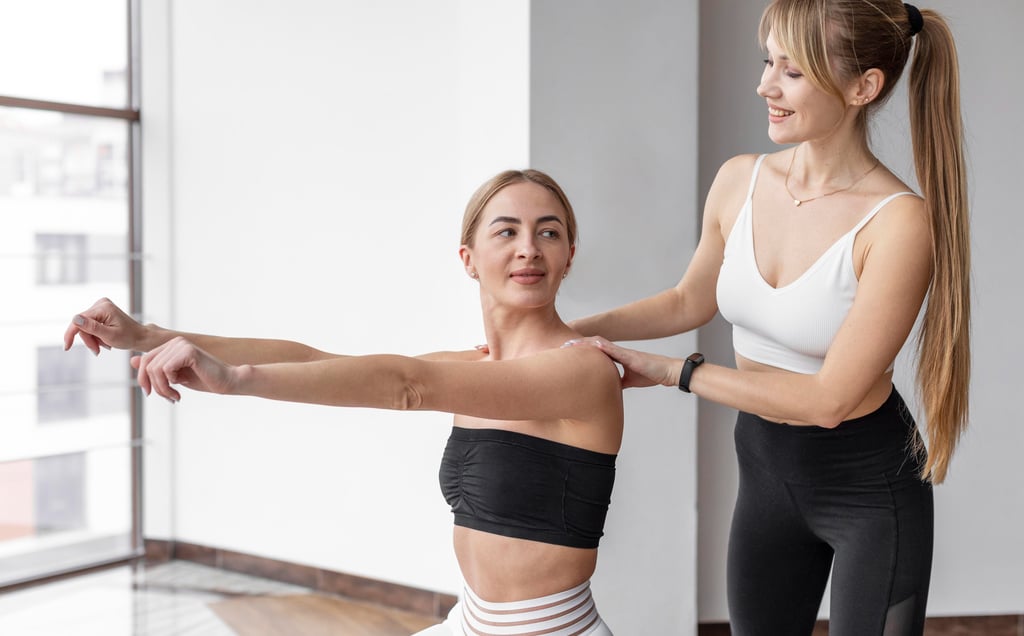
Pilates is a low-impact exercise method that emphasizes core strength, flexibility, and overall body awareness. One of the primary physical benefits of practicing Pilates at home is the development of core stability. A strong core supports better posture, balance, and alignment in daily activities, reducing the risk of injury. Through various Pilates movements, participants engage their abdominal, oblique, and back muscles, fostering strength where it is most beneficial.
In addition to core strength, Pilates contributes significantly to improved flexibility. Many exercises focus on stretching and lengthening muscles, leading to enhanced mobility in joints and reduced tension throughout the body. As individuals routinely practice Pilates, they often notice an increase in their range of motion, which can be especially advantageous for those with sedentary lifestyles or sports enthusiasts alike.
Beyond the physical attributes, Pilates also offers profound mental benefits. The practice promotes mindfulness, as participants are encouraged to concentrate on their breath and body movements during exercises. This mindful approach provides a respite from daily stressors, promoting mental clarity and emotional well-being. Engaging in a regular Pilates routine can improve mood, reduce anxiety, and foster a sense of calmness, making it a valuable addition to one’s self-care regimen.
Furthermore, Pilates can be easily adapted to suit various fitness levels and lifestyles, making it accessible for busy individuals. Whether one is new to exercise or an experienced practitioner, Pilates can be tailored to meet specific needs and goals. By integrating Pilates into your home fitness routine, you not only reap the tangible physical rewards but also enhance your mental resilience and overall quality of life.
Creating a Dedicated Space for Pilates
Establishing a dedicated space for Pilates at home is a critical aspect of maintaining a consistent practice, especially amidst the busyness of daily life. This unique area should reflect the purpose of your practice, providing a comfortable and inviting atmosphere that encourages focus and relaxation. Choosing the right location is the first step; ideally, this space should be quiet, well-lit, and free from the usual distractions found in your home.
When selecting a spot, consider areas where you naturally feel most at ease. This could be a corner of your living room, a spare room, or even outside in the yard, provided the environment is suitable for practice. Natural light and airiness can enhance your experience, promoting a sense of well-being. However, it is also essential to ensure that cords, furniture, and any other impediments are cleared to create a safe environment.
In addition to choosing an appropriate space, having the right equipment is vital for a fulfilling Pilates practice. Basic equipment such as a mat, resistance bands, and small weights can significantly enhance your workouts. Depending on your preferences and space availability, you might also consider purchasing a reformer or Pilates ring. Ensure that your equipment is easily accessible and organized to further reduce resistance in committing to your sessions.
Minimizing distractions is equally important. Consider using noise-canceling headphones or creating a playlist of calming music to aid concentration. You might also want to establish a ritual before you begin your practice, such as lighting a candle or using aromatherapy, which can signal your mind and body that it is time to transition into Pilates mode. A well-thought-out space not only supports your physical practice but also cultivates a mental environment conducive to regular and enjoyable workouts.
Scheduling Your Pilates Sessions
Integrating Pilates into a packed daily schedule can often appear challenging; however, with effective planning, it is achievable. Scheduling your Pilates sessions should be a priority rather than an afterthought. This proactive approach not only helps to establish a routine but also ensures that you remain committed to your fitness goals, even when time seems scarce.
One effective method to incorporate Pilates into your busy life is through time-blocking. This technique involves allocating specific blocks of time in your calendar dedicated solely to your Pilates practice. By treating these time slots as non-negotiable appointments, you minimize the likelihood of scheduling conflicts or procrastination. For instance, you might choose to practice early in the morning, during lunch breaks, or in the evening, depending on what fits best into your routine.
Setting reminders can also contribute significantly to maintaining consistency in your Pilates journey. Utilizing electronic calendars or mobile apps enables you to send yourself reminders before your scheduled sessions. These notifications serve as a motivational prompt, encouraging you to prioritize your practice. Additionally, consider placing visual cues in your living space, such as yoga mats or fitness equipment, as a gentle reminder to engage in your sessions when possible.
Furthermore, it is essential to prioritize your Pilates sessions by defining their significance in your daily activities. Reflect on the benefits you gain from practicing Pilates, such as improved flexibility and core strength, and use these insights to drive your commitment. By acknowledging the positive impact of your practice, you are more likely to create a space in your life for regular sessions, fostering a sustainable Pilates routine that accommodates even the busiest of lifestyles.
Selecting the Right Online Resources
As the popularity of Pilates continues to rise, numerous online resources are available, making it easier to practice at home despite a busy schedule. However, not all platforms offer the same level of quality or expertise. Therefore, it is essential to discern credible resources to ensure an effective Pilates workout experience. One effective approach to selecting online resources is to evaluate their credibility. Look for platforms that feature instructors with recognized certifications in Pilates or related fields, as this can significantly impact the quality of the workouts.
When exploring various platforms available for Pilates, you might encounter websites, mobile apps, social media pages, and streaming services. Each medium has its strengths; for instance, apps like Pilates Anytime or Daily Burn often provide structured class formats catered to various skill levels. Meanwhile, websites such as YouTube can offer a range of free classes, although it's essential to vet the instructors' qualifications to avoid following potentially misleading routines.
Assessing the types of classes available is equally crucial. Programs range from beginner-friendly courses focusing on foundational principles to advanced workouts that challenge established practitioners. By choosing classes aligned with personal goals and fitness levels, enthusiasts can better maintain consistency in their practice. Additionally, many platforms provide options to customize workout intensity and duration, accommodating anyone's limited availability during the week.
Lastly, evaluating the quality of instructional materials is vital. Look for resources with clear, structured practices, and comprehensive explanations of moves. High-quality videos should allow viewers to see proper form and technique, ensuring a safer and more effective workout. By applying these criteria when selecting online Pilates resources, individuals can foster a sustainable practice, regardless of their busy lifestyles.
Setting Achievable Goals for Your Pilates Practice
Establishing achievable goals is a fundamental aspect of maintaining a consistent Pilates practice, particularly for those balancing busy schedules. Setting realistic and measurable objectives not only enhances motivation but also provides a clear roadmap for progression. To begin, it is essential to evaluate your current fitness level and available time. This assessment helps in formulating specific short-term and long-term goals tailored to your individual circumstances.
Short-term goals can serve as stepping stones that motivate you to stay on track. For instance, a short-term goal might be to practice Pilates two to three times per week for 20 to 30 minutes. This frequency allows you to incorporate Pilates into your routine without overwhelming yourself, enabling gradual improvement in flexibility, strength, and overall health. Additionally, setting a goal to perfect a particular Pilates move, such as the Hundred or the Roll-Up, can provide focus and purpose during your sessions.
On the other hand, long-term goals represent broader aspirations that inspire ongoing commitment. For example, you might aim to participate in a Pilates challenge or workshop in three months, which can further enhance your skills and deepen your understanding of the practice. Another long-term objective could be to achieve a specific level of proficiency, allowing you to explore more advanced Pilates techniques as your abilities evolve.
It is important to document these goals and track progress to maintain accountability. Utilizing a journal or digital app to log your Pilates activities can be beneficial in visualizing your achievement and setbacks. By setting attainable goals, celebrating milestones, and adjusting your objectives when necessary, you can cultivate a fulfilling and sustained Pilates practice at home, even amidst a hectic lifestyle.
Incorporating Mindfulness into Your Practice
Mindfulness and Pilates share a profound connection, rooted in the principle of awareness. When practicing Pilates at home, integrating mindfulness can significantly elevate your experience, making it not only physically beneficial but also mentally enriching. Mindfulness involves being completely present in the moment, focusing your attention on the breath, movements, and sensations within your body. This heightened state of awareness can serve as a powerful tool, enhancing both concentration and enjoyment during your workouts.
One effective technique to cultivate mindfulness in your Pilates practice is to establish a dedicated space for your sessions. Ensure that this area is free from distractions, allowing you to fully immerse yourself in the experience. By creating a serene environment, you can direct your attention inward, focusing on how each movement affects your body. Additionally, consider incorporating a brief mindfulness exercise before your practice. Take a few moments to close your eyes, center your breath, and release any stress or tension accumulated throughout the day. This initial grounding can profoundly impact your overall practice.
Another method to enhance mindfulness is through focused breathing. Maintaining awareness of your breath during exercises can anchor your thoughts, helping you to stay present. As you inhale and exhale, visualize your breath flowing through your body, energizing each movement. Furthermore, actively listen to the cues of your instructor, if using an online resource, and strive to embody the principles of control and precision inherent in each exercise. Engaging fully with the rhythms of movement not only fosters a mind-body connection but also increases the benefits of Pilates.
Overcoming Obstacles to Consistency
Maintaining a consistent Pilates practice at home can pose a variety of challenges. The most common obstacle is often time constraints. Many individuals lead busy lives that leave little room for exercise. To counteract this, setting a specific time each day dedicated to Pilates can be immensely beneficial. By creating a routine, even a short 10-15 minute session can be integrated into your daily agenda. Consider using a digital calendar or setting reminders on your phone to establish this commitment effectively.
Lack of motivation is another significant hurdle that many practitioners encounter. When enthusiasm starts to dwindle, it is essential to rekindle that initial desire for Pilates. One strategy is to focus on the benefits of Pilates practice, such as improved flexibility, strength, and mind-body connection. Additionally, varying your routine by incorporating new exercises or trying a different style of Pilates can reinvigorate your interest and keep your practice fresh.
Distractions at home can prove to be yet another challenging element. To enhance your concentration, creating a specific space for your Pilates routine can be advantageous. Designate an area in your home that is free from interruptions, and consider minimizing any distractions, such as electronic devices. To further enhance focus, you might also consider playing calming music or using guided videos that can help you stay engaged during your practice.
Ultimately, recognizing these obstacles is the first step towards overcoming them. By proactively implementing strategies to manage your time, reignite motivation, and reduce distractions, you will be well on your way to establishing a sustainable Pilates practice. Consistency takes effort, but with the right mindset and tools, it can be achieved, ensuring a rewarding journey in your Pilates endeavors.
Ready to get on the mat?
Book your first visit and experience the space for yourself. We'll confirm within 24 hours, and your first class is 20% off.
Address
Book My First Visit
info@travelyoga.com.br
+1-555-123-4567
© 2026 Travel Yoga. All rights reserved. reserved.
Questions about the studio, the schedule, or your first visit? Reach out and we'll help you find the best place to begin.