Inside Our Studio | Yoga & Pilates Space in NY | Travel Yoga
Pilates for Flexibility: Unlock Tight Hips and Hamstrings Fast
Pilates is a low-impact exercise method that focuses on strengthening muscles while improving postural alignment and flexibility. Developed by Joseph Pilates in the early 20th century, this workout regime emphasizes controlled movements and breath work, making it suitable for individuals of various fitness levels. The fundamental principles of Pilates include concentration, control, centering, precision, breathing, and flow, all of which contribute to enhancing one's overall physical wellbeing.
5/17/20268 min read
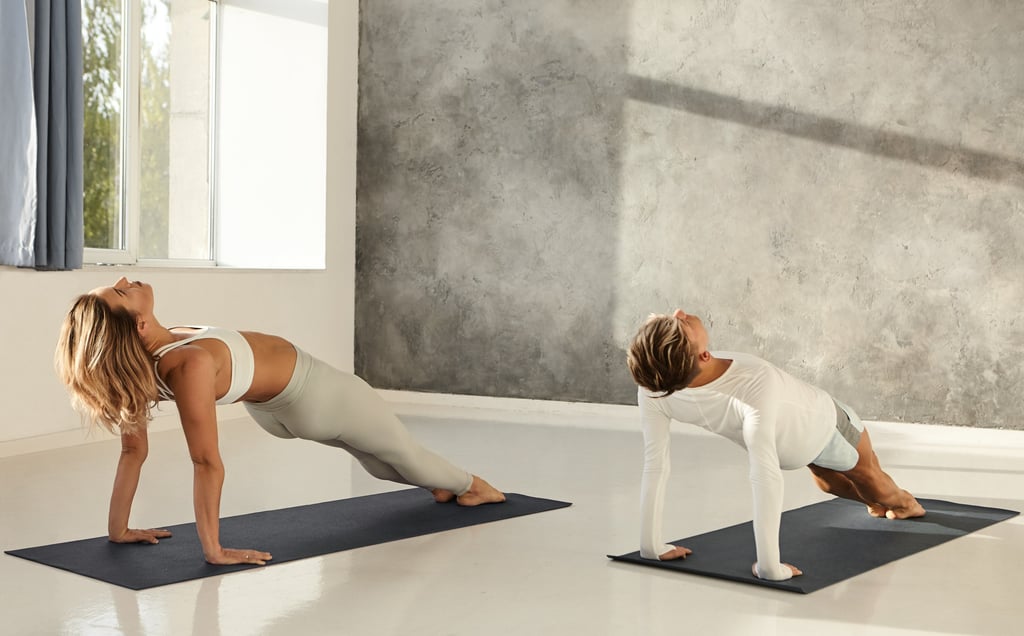
Introduction to Pilates and Flexibility
Pilates is a low-impact exercise method that focuses on strengthening muscles while improving postural alignment and flexibility. Developed by Joseph Pilates in the early 20th century, this workout regime emphasizes controlled movements and breath work, making it suitable for individuals of various fitness levels. The fundamental principles of Pilates include concentration, control, centering, precision, breathing, and flow, all of which contribute to enhancing one's overall physical wellbeing.
Flexibility plays a pivotal role in our daily lives, influencing everything from athletic performance to routine movements such as bending or reaching. Tight hips and hamstrings, in particular, can significantly limit mobility and lead to discomfort during everyday activities. The hip flexors, situated at the front of the hip, can become tight due to prolonged sitting or a lack of physical activity, while the hamstrings, located at the back of the thigh, can stiffen from both inactivity and exercise imbalances.
Incorporating Pilates into one's fitness regimen can effectively address these issues. The structured sequences of Pilates exercises are designed to actively engage the core while promoting lengthening and stretching of the muscles. This engaging practice not only increases flexibility but also strengthens the body in a balanced manner, which is vital for alleviating tension in tight hips and hamstrings. Furthermore, doing Pilates regularly can improve overall body awareness, allowing individuals to recognize their postural habits and address any deficiencies that may contribute to muscle tightness.
Ultimately, a focus on flexibility and muscle conditioning can enhance mobility, making daily tasks easier and more enjoyable. By embracing Pilates, individuals can unlock the potential for increased flexibility, particularly in areas prone to tension such as the hips and hamstrings.
The Anatomy of Hips and Hamstrings
The human body features an intricate framework of muscles, with the hip and hamstring muscles playing pivotal roles in ensuring mobility and flexibility. The hip joint is a ball-and-socket joint that allows for a wide range of motion, connecting the femur to the pelvis. Key muscles surrounding the hip include the iliopsoas, gluteus maximus, and the adductors. These muscles are fundamental for movements such as walking, running, and jumping. Moreover, they are critical in stabilizing the pelvis and maintaining balance during various activities.
The hamstrings, located at the back of the thigh, comprise three muscles: the biceps femoris, semitendinosus, and semimembranosus. Their primary function is to facilitate bending of the knee and hip extension. Proper functioning of the hamstrings is essential for athletic performance, as they are involved in powerful movements like sprinting and explosive activities. Furthermore, strong hamstrings contribute significantly to overall lower body strength.
However, tight hips and hamstrings can lead to various issues, including discomfort and limited range of motion. Individuals with tight hip muscles may experience difficulty in performing everyday activities, such as squatting or bending, which can further impact athletic capabilities. Similarly, tight hamstrings can lead to pelvic imbalances, resulting in lower back pain and decreased performance in physical activities. Muscle tightness can stem from sedentary lifestyles, improper training techniques, or inadequate stretching. Thus, addressing tightness in these areas is crucial for enhancing flexibility and maintaining optimal physical performance.
Benefits of Pilates for Flexibility
Pilates has gained recognition as an effective practice for enhancing flexibility, especially in vital areas such as the hips and hamstrings. One of the primary benefits of Pilates is its ability to improve muscle elasticity. Through a series of controlled movements and stretches, Pilates encourages the muscles to lengthen and strengthen simultaneously, leading to a significant increase in flexibility. This is particularly beneficial for individuals who experience tightness in their muscles, as it systematically targets these areas for improvement.
Additionally, Pilates promotes joint mobility. The exercises are designed to engage and stabilize the core, which supports the alignment and movement of the hips and legs. Individuals who practice Pilates often find that their range of motion increases, allowing them to perform daily activities with greater ease. Enhanced joint mobility can also reduce the risk of injuries, making Pilates an excellent preventive measure for those who are physically active or engage in sports.
Another crucial advantage of Pilates is its impact on posture. Improved flexibility in the hips and hamstrings can directly influence one's overall posture. During Pilates sessions, practitioners develop greater awareness of body alignment, which fosters healthier positioning of the spine and pelvis. This correction not only enhances stability but also helps in relieving strain on the back and joints, creating a more balanced body.
Research and personal testimonials support these claims, indicating that consistent practice of Pilates leads to noticeable improvements in flexibility and overall physical well-being. Participants often report experiencing less tightness and discomfort in their hips and hamstrings, attributing their enhanced mobility and posture to their Pilates regimen. As individuals continue to practice Pilates, they are likelier to achieve and maintain a greater level of flexibility.
Key Pilates Exercises for Tight Hips
Pilates offers a range of exercises specifically designed to address tight hips, promoting flexibility and enhancing overall movement. Below are a few key exercises that can effectively unlock hip tightness.
1. Hip Rolls: This foundational exercise begins by lying on your back with your knees bent and feet flat on the mat. As you inhale, engage your pelvic floor and begin rolling your hips upward, lifting your spine off the mat, vertebra by vertebra. Hold for a moment before exhaling and articulating your spine back down to the starting position. Aim for 10 reps, focusing on maintaining controlled movements. Modifications can include a smaller range of motion for those new to Pilates.
2. Single Leg Stretch: Start this exercise lying on your back with your knees brought to your chest. Simultaneously extend your right leg out at a 45-degree angle while keeping your head, neck, and shoulders lifted. Grasp your left knee with both hands and hold for a moment before switching legs. Perform 5-10 repetitions on each side, ensuring your movements are fluid. Beginners can opt to keep their head down on the mat if neck strain occurs.
3. Bridge with Marching: Start by lying on your back with knees bent and feet hip-width apart. Lift your hips into a bridge position, creating a straight line from shoulders to knees. While maintaining your bridge, lift one foot off the mat, bringing your knee toward your chest. Lower the foot and repeat with the other leg. Aim for 8-10 marches on each side. For beginners, it’s advised to perform the bridge without marching initially to build strength.
Focusing on these exercises regularly can significantly improve flexibility in tight hips and hamstrings. Consistency and proper form are key to achieving desirable outcomes in your Pilates practice.
Effective Pilates Moves for Hamstrings
Pilates offers a variety of exercises specifically designed to target and strengthen the hamstrings, promoting greater flexibility and overall muscle balance. One of the foundational exercises is the Single Leg Circle. This movement not only engages the hamstrings but also enhances hip stability. To perform this exercise, lie on your back, with one leg extended upwards and the other resting flat on the mat. Begin to make small circles with the raised leg, ensuring the motion originates from the hip joint. This exercise stretches the hamstrings while strengthening the muscles around the hip, making it effective for increasing flexibility.
Another beneficial Pilates exercise is the Leg Pull. This movement effectively strengthens the entire posterior chain, including the hamstrings. In a plank position, lift one leg towards the ceiling while maintaining a strong core and stable upper body. This dynamic movement activates the hamstrings and encourages better muscle engagement throughout the lower body. To modify this exercise, one can lower the leg to hip height rather than lifting it all the way up, ensuring proper form and reducing strain.
The Bridge is a staple in Pilates and focuses on both hamstring strength and flexibility. Start by lying on your back with your knees bent and feet flat on the floor. As you lift your hips towards the ceiling, squeeze your glutes and engage your hamstrings. This exercise helps stretch the hamstrings while simultaneously building strength. For an added challenge, try lifting one leg into the air while maintaining the bridge position, which intensifies the stretch and engages the core as well.
Lastly, the Stretching Forward Bend helps to increase flexibility in the hamstrings. Sitting with legs extended in front, slowly reach forward towards your toes, bending at the hips rather than the waist. This encourages a deep stretch in the hamstrings, relieving tension and discomfort. Focus on maintaining a long spine to avoid straining other areas of the body.
Combining Breathing Techniques with Pilates
In the realm of Pilates, the integration of conscious breathing techniques plays a pivotal role in enhancing one’s practice. Proper breath control not only facilitates relaxation but also significantly augments the effectiveness of flexibility exercises designed to unlock tight hips and hamstrings. When we engage in Pilates, our focus on breathing helps in building a harmonious connection between the mind and body, fostering an environment that promotes better movement and muscle coordination.
Breathing in Pilates is often synchronized with each movement, allowing practitioners to maximize their physical potential. This mindful approach can significantly increase body awareness, enabling individuals to gauge their limits and stretch safely. For instance, inhaling during an expansion of the body can create space and assist in lengthening the muscles, while exhaling during contraction not only helps in deepening the stretch but also activates core stability. Such rhythmic breathing patterns can lead to improved posture and reduced tension throughout the body.
To effectively incorporate breathing techniques into a Pilates routine, consider the following tips: Firstly, establish a comfortable breathing rhythm that feels natural during each exercise. This might involve breathing in through the nose deep into the diaphragm and exhaling through the mouth with controlled release. Secondly, pay attention to how different movements and transitions feel in relation to your breath—using the breath as a guide can enhance your overall performance and flexibility. Lastly, remember to practice mindfulness; connecting breath with movement will cultivate relaxation and improve overall outcomes in your Pilates session.
By understanding and applying these breathing techniques within Pilates, practitioners can experience enhanced flexibility and a greater sense of well-being.
Creating a Consistent Pilates Routine
Establishing a consistent Pilates routine is essential for those aiming to enhance flexibility, particularly in the hips and hamstrings. A well-structured plan can lead to progressive results and help practitioners maintain their commitment over time. To start, consider the frequency of your Pilates sessions. Ideally, aim for at least three to four sessions per week. This frequency allows the body enough time to recover while also benefiting from the repetitive practice of key movements that promote flexibility.
Duration plays a crucial role as well. Each session should last anywhere from 30 to 60 minutes, depending on your schedule and fitness level. Beginners may find shorter sessions more manageable, gradually increasing the duration as they grow more comfortable with the exercises. It's crucial to include warm-up and cool-down periods within this timeframe to prepare the muscles for stretching and to aid recovery after your workout.
When establishing goals for your Pilates routine, ensure they are realistic and measurable. For example, rather than aiming to achieve a full split immediately, focus on small, incremental improvements, such as increasing your ability to touch your toes or deepening your hip openers. Setting these progressive goals can provide motivation and a sense of accomplishment as you track your progress over time.
Utilizing a journal or a tracking app can be beneficial for keeping a record of your sessions and progress. Note down any improvements, setbacks, or how your body feels before and after each workout. This reflection not only serves as a motivation booster but also allows for adjustments to your routine as needed, ensuring that your practice remains enjoyable and effective. By following these strategies, you can create a sustainable Pilates routine that effectively enhances your flexibility while keeping you engaged in your fitness journey.
Ready to get on the mat?
Book your first visit and experience the space for yourself. We'll confirm within 24 hours, and your first class is 20% off.
Address
Book My First Visit
info@travelyoga.com.br
+1-555-123-4567
© 2026 Travel Yoga. All rights reserved. reserved.
Questions about the studio, the schedule, or your first visit? Reach out and we'll help you find the best place to begin.