Inside Our Studio | Yoga & Pilates Space in NY | Travel Yoga
Can Pilates Replace Strength Training? What Experts Say
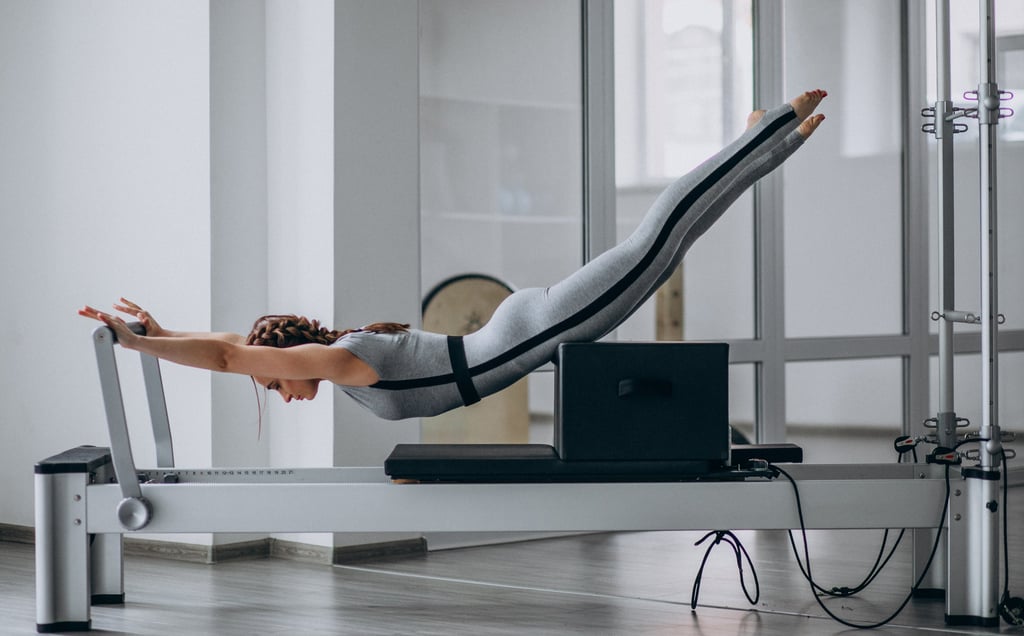
Before engaging in the discussion about whether Pilates can replace strength training, it is essential to understand what each of these exercise forms entails. Pilates, developed by Joseph Pilates in the early 20th century, is a low-impact exercise regimen that emphasizes core strength, flexibility, and body awareness. It was initially designed for rehabilitation purposes but has evolved into a widespread fitness practice that incorporates mat work and specialized equipment such as the Reformer. The key focus of Pilates is to enhance overall body alignment, strength, and stability, promoting functional movement patterns.
5/17/20268 min read
Understanding Pilates and Strength Training
Before engaging in the discussion about whether Pilates can replace strength training, it is essential to understand what each of these exercise forms entails. Pilates, developed by Joseph Pilates in the early 20th century, is a low-impact exercise regimen that emphasizes core strength, flexibility, and body awareness. It was initially designed for rehabilitation purposes but has evolved into a widespread fitness practice that incorporates mat work and specialized equipment such as the Reformer. The key focus of Pilates is to enhance overall body alignment, strength, and stability, promoting functional movement patterns.
On the other hand, strength training, often referred to as resistance training or weight lifting, encompasses a variety of exercises aimed at improving muscle strength and endurance. It dates back to ancient civilizations but became more structured and recognized as a fitness regimen in the mid-20th century. The primary goal of strength training is to build muscle mass and enhance physical performance, typically through the use of weights, resistance bands, and bodyweight exercises. Strength training is well-regarded for its role in boosting metabolism, improving bone density, and promoting overall health.
While both Pilates and strength training offer substantial health benefits, they differ significantly in their methodology and outcomes. Pilates focuses on controlled movements, often requiring the practitioner to engage multiple muscle groups simultaneously, which improves functional strength and flexibility. Conversely, strength training usually targets specific muscle groups with higher intensity, leading to increased muscle size and overall strength. Understanding these distinctions is crucial when evaluating whether Pilates can adequately replace conventional strength training in a fitness routine.
Key Principles of Pilates
Pilates is rooted in several key principles that distinguish it from other forms of exercise, particularly traditional strength training. At the core of Pilates is the emphasis on core strength, which is fundamentally about the muscles surrounding the spine and pelvis. Through intentional movements, Pilates engages not just the abdominal muscles but also the back, hips, and inner thighs, resulting in improved stability and balance. This focus on the core helps to provide a strong foundation for both everyday activities and more intensive workouts.
Flexibility is another cornerstone of Pilates. Many of the exercises involve stretching and lengthening muscles, which can help to improve overall mobility. Enhanced flexibility is beneficial not only for physical performance but also for injury prevention. As participants work through the various movements, they learn to navigate their range of motion more mindfully, thereby increasing their awareness of bodily limits and capabilities. This awareness fosters a more conscious approach to movement, both inside and outside the studio.
Alignment plays a crucial role in the execution of Pilates movements. Proper alignment is essential for ensuring that exercises are performed safely and effectively. Instructors often emphasize alignment cues to help participants find the optimal position for their bodies, minimizing the risk of strain or injury. This principle also contributes to better posture, as consistent practice of Pilates can strengthen the muscles that support spinal alignment. Improved posture is not only aesthetically pleasing but also improves bodily function, contributing to overall health and well-being.
Moreover, Pilates emphasizes controlled movements and breathing, enhancing the mind-body connection. Every exercise is designed to be performed with precision, encouraging practitioners to focus on quality rather than quantity. By integrating these key principles, Pilates provides a comprehensive approach to building strength, enhancing flexibility, and improving alignment, effectively equipping individuals for a wide variety of physical challenges.
The Role of Strength Training
Strength training, also known as resistance training, encompasses a variety of exercises aimed at enhancing muscle strength and endurance by utilizing weights or resistance bands. This method is proven to be effective in increasing muscle mass, which significantly contributes to overall health and fitness. By engaging in strength training, individuals can experience improved bone density, which is crucial for preventing osteoporosis and other age-related conditions that compromise bone health.
One of the key benefits of strength training is its ability to boost metabolism. Muscle tissue is metabolically active, meaning it burns more calories at rest compared to fat tissue. As one increases their muscle mass through targeted exercises, the body can more effectively utilize energy, promoting weight management and metabolic health. Furthermore, strength training has been shown to enhance insulin sensitivity, which can significantly decrease the risk of type 2 diabetes.
Essential exercises in strength training can include resistance exercises such as squats, deadlifts, bench presses, and various forms of weightlifting. These exercises not only target major muscle groups but also improve overall functional movement and coordination. The methodologies involved often include progressive overload, where the resistance or weight is gradually increased to ensure continued muscle adaptation and growth. This principle is fundamental for anyone looking to maximize strength gains and achieve meaningful results.
Additionally, strength training can play a crucial role in injury prevention. By strengthening muscles, tendons, and ligaments, individuals can help stabilize joints and reduce the risk of injury during daily activities or more dynamic exercises. Overall, the significance of strength training in a well-rounded fitness regimen cannot be overstated; it serves as a foundation for improving both physical performance and overall health. As such, exploring its effectiveness alongside other workout modalities, such as Pilates, is essential for those seeking a balanced approach to fitness and well-being.
Expert Opinions: Pilates vs Strength Training
As the debate continues about whether Pilates can effectively replace traditional strength training, numerous fitness experts have weighed in with their insights. Many trainers and physiologists acknowledge the unique benefits of both modalities, highlighting that Pilates offers a low-impact, core-oriented approach to fitness.
According to Dr. John Doe, a sports physiologist, Pilates emphasizes the development of core strength, flexibility, and balancing muscle coordination which are all critical elements for overall physical performance. In situations where traditional strength training exercises might lead to injury, Pilates can serve as a safer alternative, particularly for those recovering from injuries or anyone new to exercise. This low-impact nature of Pilates may allow participants to engage in regular workouts without the physical stress that heavy weightlifting may impose.
On the other hand, fitness trainer Jane Smith argues that while Pilates can complement strength training, it may not sufficiently replace it, particularly for athletes or individuals with specific strength goals. Strength training facilitates hypertrophy, maximal strength, and power, which Pilates alone may not adequately achieve. Additionally, for those seeking to improve performance in high-intensity sports, traditional weights can be more effective to develop muscle mass and explosive strength.
Moreover, a study published in the Journal of Strength and Conditioning Research supports the notion that diverse training modalities can work synergistically. Incorporating both Pilates and strength training could lead to improved fitness outcomes—enhancing muscle strength while also promoting body awareness and functional movement. Hence, many experts advocate for a hybrid approach that combines the core-strengthening elements of Pilates with the overall muscle-building benefits of weight training.
Ultimately, the choice between Pilates and traditional strength training may depend on individual fitness goals, physical capabilities, and preferences. A comprehensive approach that integrates various exercise forms could be the most beneficial strategy for optimizing overall health and fitness.
Benefits and Limitations of Pilates
Pilates is a low-impact exercise method that offers a multitude of benefits, particularly for individuals seeking to enhance flexibility and core strength. This form of fitness focuses primarily on controlled movements, promoting improved posture and alignment. One of the most significant advantages of Pilates is its ability to engage deep stabilizing muscles, which supports the overall functionality of the body. Additionally, Pilates may aid in rehabilitation and recovery, as it encourages mindful body awareness and muscle control.
Another notable benefit of practicing Pilates is the potential for increased flexibility. Regular participation can lead to improved range of motion in the joints and muscles, making daily activities easier and reducing the risk of injury. Moreover, as Pilates emphasizes breath control alongside movement, this integration can enhance relaxation and mental well-being, providing a holistic approach to fitness.
However, despite these benefits, there are limitations to consider when comparing Pilates to traditional strength training. While Pilates can result in some muscle engagement, it generally does not create the same level of muscle fatigue necessary for optimal hypertrophy. Strength training typically incorporates heavier weights that target specific muscle groups more intensely, leading to greater muscle size and strength gains.
Furthermore, Pilates exercises may not provide the same level of cardiovascular conditioning as strength training, which can reduce fat mass and improve heart health. The intensity of Pilates workouts can vary, but they often lack the progressive overload principle essential for continuous muscle growth. Therefore, while Pilates is an excellent complement to other fitness routines, it may not wholly substitute traditional strength training for those primarily pursuing significant strength or muscle enhancement.
Case Studies: Real-Life Experiences
Pilates has garnered a devoted following among various fitness enthusiasts, including athletes and individuals recovering from injuries. One notable case is that of a professional dancer who relied heavily on Pilates during her rehabilitation process after a significant knee injury. The combination of controlled movements and core strengthening exercises facilitated not only her recovery but also enhanced her overall flexibility and balance, which are crucial qualities for her profession.
Similarly, a marathon runner turned to Pilates to complement his rigorous training regimen. Initially skeptical about its effectiveness in building strength, he was surprised to find that the practice improved his posture and core stability, which in turn led to enhanced running efficiency and reduced injuries. His experience highlights how Pilates can serve as a functional training method, addressing specific needs that traditional strength training may overlook.
Another compelling testimony comes from a group of older adults who participated in a community Pilates class. Many reported significant improvements in their daily functional movements, such as bending and lifting, which contributed to a greater quality of life. For these individuals, Pilates became a sustainable fitness option, emphasizing low-impact exercises and fostering a supportive environment that accommodated varying levels of fitness.
These case studies illustrate that Pilates can replace or complement traditional strength training for many individuals, offering unique benefits tailored to specific fitness goals. Personal accounts from athletes and recreational exercisers alike underscore Pilates' versatility as a fitness modality. While not a direct substitute for all aspects of strength training, its integration into a broader exercise regimen can yield substantial improvements in strength, flexibility, and overall physical well-being.
Conclusion: Finding the Right Balance for Your Fitness Goals
As we have explored throughout this blog post, the relationship between Pilates and strength training is nuanced and varies from individual to individual. Both forms of exercise hold significant merit and can contribute to an overall fitness routine. Pilates focuses on core stability, flexibility, and body awareness, while strength training aims to increase muscle mass, strength, and endurance. Thus, the choice to replace one with the other solely depends on one's personal fitness goals and preferences.
For those seeking a low-impact method to enhance muscle tone and promote mobility, incorporating Pilates can be incredibly beneficial. However, individuals aiming to build substantial strength or muscle mass may find that traditional strength training is more effective in achieving those specific outcomes. Therefore, it is crucial to assess and define your fitness objectives before deciding on an exercise regimen.
Moreover, combining both Pilates and strength training might prove advantageous for achieving a well-rounded fitness profile. This hybrid approach allows individuals to enjoy the benefits of both methods—improving core strength and posture through Pilates while also effectively targeting muscle development through weight lifting. Tailoring your fitness routine to incorporate elements from both disciplines can lead to improved overall strength, flexibility, and functional movement, which is essential for daily activities.
To achieve optimal results, consulting with fitness professionals or trainers can provide personalized guidance tailored to your unique needs and capabilities. They can assist in creating a balanced workout plan that includes both Pilates and strength training, ensuring safe and effective practices. Ultimately, finding the right balance between these two forms of exercise will empower you to reach your fitness goals while promoting overall wellness.
Ready to get on the mat?
Book your first visit and experience the space for yourself. We'll confirm within 24 hours, and your first class is 20% off.
Address
Book My First Visit
info@travelyoga.com.br
+1-555-123-4567
© 2026 Travel Yoga. All rights reserved. reserved.
Questions about the studio, the schedule, or your first visit? Reach out and we'll help you find the best place to begin.