Inside Our Studio | Yoga & Pilates Space in NY | Travel Yoga
Pilates for Anxiety and Stress Relief: Mind-Body Benefits Explained
Anxiety and stress are common emotional responses that individuals experience in reaction to various triggers, whether they are external pressures or internal conflicts. Anxiety is characterized by feelings of worry, apprehension, or fear that may be disproportionate to the situations at hand. Common symptoms include restlessness, irritability, and difficulty concentrating, and those affected may often show physical signs such as increased heart rate, muscle tension, and fatigue.
5/17/20267 min read
Understanding Anxiety and Stress
Anxiety and stress are common emotional responses that individuals experience in reaction to various triggers, whether they are external pressures or internal conflicts. Anxiety is characterized by feelings of worry, apprehension, or fear that may be disproportionate to the situations at hand. Common symptoms include restlessness, irritability, and difficulty concentrating, and those affected may often show physical signs such as increased heart rate, muscle tension, and fatigue.
On the other hand, stress can be defined as a response to a specific challenge or demand. It often manifests in two forms: acute stress, which is short-term, and chronic stress, which persists over a longer period. Symptoms of stress can include headaches, insomnia, and digestive issues. Both anxiety and stress, when experienced chronically, can take a significant toll on an individual’s health and quality of life.
Chronic anxiety can lead to debilitating conditions, such as generalized anxiety disorder, panic disorder, and social anxiety disorder, all of which can severely affect one's ability to function day-to-day. Stress, too, if not managed effectively, may result in serious health issues including cardiovascular diseases, weakened immune function, and mental health disorders. The interplay between mind and body is crucial; thus, chronic anxiety and stress can create a vicious cycle that not only affects mental well-being but physical health as well.
In understanding these conditions, it becomes evident that effective coping mechanisms are necessary. Alongside traditional therapeutic approaches, exploring alternative methods such as Pilates can offer significant benefits. This mind-body practice emphasizes breath control, concentration, and physical strength, potentially alleviating the symptoms of both anxiety and stress.
What is Pilates?
Pilates is a physical fitness system that was developed in the early 20th century by Joseph Pilates, a German-born physical trainer. Initially intended as a rehabilitation method for injured soldiers, the system has evolved into a widely practiced form of exercise that emphasizes body alignment, flexibility, strength, and awareness. The fundamental principles of Pilates include concentration, control, centering, flow, precision, and breathing. Each of these elements is designed to enhance the effectiveness of movements and improve overall physical awareness.
At its core, Pilates is centered on the mind-body connection. This connection acknowledges the intricate relationship between mental processes and physical responses, which is particularly important for individuals experiencing stress and anxiety. Through deliberate control of movements and attention to breath, practitioners cultivate a heightened sense of self-awareness. This awareness fosters relaxation, reduces tension, and promotes emotional stability. Importantly, Pilates focuses on core strength, which provides stability and improves posture—two facets that can significantly influence an individual's mental state.
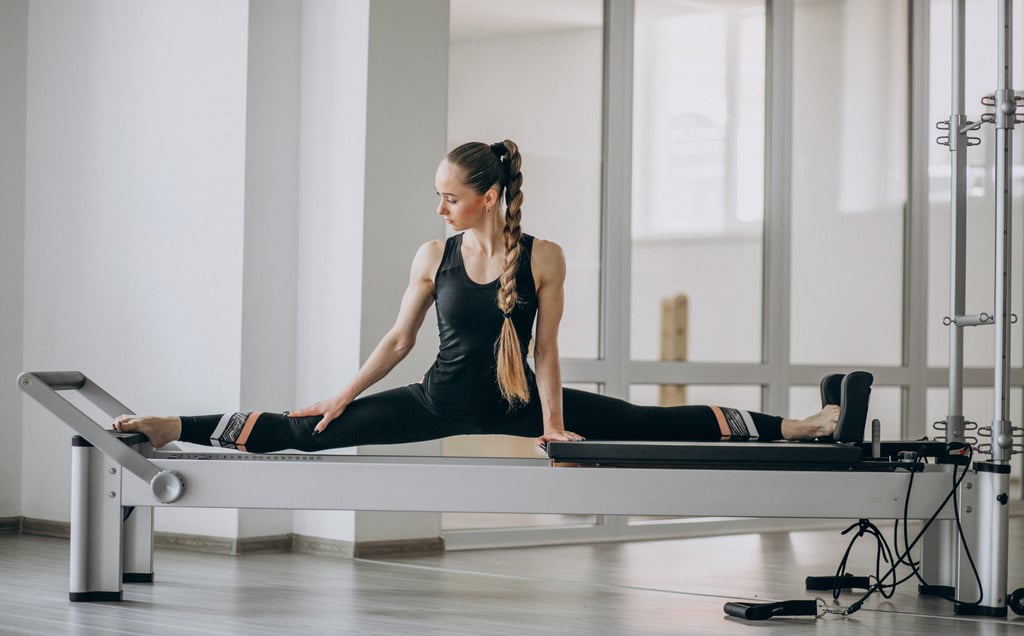
There are several styles of Pilates, each with its unique focus and method of practice. Mat Pilates, for instance, involves exercises performed on a mat using body weight for resistance, while Reformer Pilates utilizes specialized equipment to assist and enhance the movements. Other variations, such as Clinical Pilates, may include therapeutic applications tailored for rehabilitation purposes. Regardless of the style, the essence of Pilates remains consistent: it is about integrating physical movement with mental focus and breath, which aids in alleviating the symptoms of anxiety and stress.
The Science Behind Mind-Body Practices
Recent scientific research has shed light on the profound effects of mind-body practices, including Pilates, on mental health, particularly in alleviating anxiety and stress. Physical activity has long been known to trigger the release of endorphins, which are often dubbed the body's natural painkillers and mood lifters. These endorphins promote an overall sense of well-being and relaxation, thereby contributing to improved mental health outcomes. Studies reveal that engaging in exercises such as Pilates can lead to significant reductions in stress levels, largely due to this biochemical response.
Moreover, Pilates incorporates elements of mindful movement and focused breathing, further enhancing its effectiveness as a tool for stress relief. Mindfulness, in general, has been extensively studied, with evidence suggesting that it helps individuals develop greater awareness of their thoughts and feelings. This heightened awareness facilitates emotional regulation, allowing practitioners to respond to stressors more effectively rather than react impulsively. Research has demonstrated that practices which emphasize mindful movement significantly lower cortisol levels, the hormone associated with stress, in participants.
Additionally, a study published in the Journal of Behavioral Medicine found that individuals who participated in mind-body exercises reported lower levels of anxiety and improved mood states compared to those who engaged in non-mindful exercises. This suggests that the focus on breathing and core stabilization in Pilates not only strengthens the body but also enhances psychological resilience. Therefore, the integration of physical movement and mental focus not only fosters physical fitness but also serves as a pivotal resource for better emotional regulation.
Pilates is well-known for its physical benefits, but its impact on mental health, specifically in reducing anxiety and stress, is equally important. One of the primary ways Pilates accomplishes this is through controlled breathing techniques. Practicing deep, mindful breathing encourages a physiological response that can lower heart rates and activate the relaxation response of the body. This method not only helps practitioners feel more grounded but also allows for an increased sense of calm and clarity during workouts, which can carry over into daily life.
Focused movement, another essential aspect of Pilates, plays a critical role in alleviating anxiety. By directing attention to precise body movements and engaging specific muscle groups, Pilates practitioners develop a heightened sense of bodily awareness. This concentration draws the mind away from stressors and cultivates a state of mindfulness. Mindfulness has been shown to be an effective technique in managing anxiety and stress because it helps individuals remain present rather than ruminating on past events or worrying about the future.
Moreover, the principles of alignment in Pilates encourage not just physical balance but also mental equilibrium. When the body is aligned and functioning properly, it can stave off discomfort and pain that often contribute to stress and tension. Establishing correct alignment fosters better posture, allowing for easier breathing and enhanced relaxation during the practice. Over time, individuals who embrace Pilates often experience an improved ability to manage stress. Regular participation in Pilates cultivates resilience by equipping practitioners with tools to better handle life’s challenges.
In summary, the synergistic effects of breathing techniques, focused movements, and alignment principles in Pilates create an effective framework for reducing anxiety and stress. By integrating these elements into a consistent practice, one can promote mental clarity, better manage stress, and develop lasting resilience in the face of anxiety.
Introduction to Pilates for Beginners
If you are new to Pilates and are looking to use this practice for stress relief, it is important to start with simple techniques that focus on both the mind and body. Pilates emphasizes controlled movements and breath awareness, which can significantly alleviate anxiety and promote relaxation. Begin by exploring beginner-friendly exercises that you can incorporate into your routine.
Beginner-Friendly Exercises
Start with foundational exercises such as the 'Hundred,' 'Roll Up,' and 'Leg Circles.' These movements engage your core while encouraging proper alignment and controlled breathing. The 'Hundred' is particularly effective in building breath control, fostering awareness of the body, and enhancing circulation. The 'Roll Up' helps improve spinal flexibility and strengthens the abdominal muscles, while 'Leg Circles' promotes hip mobility, allowing for greater body awareness. Aim to practice these exercises for at least 15-20 minutes a few times a week.
Creating a Calming Environment
To maximize the benefits of Pilates for stress relief, consider creating a serene environment that encourages focus and relaxation. Choose a dedicated space with minimal distractions, and consider dim lighting or candles to create a soothing atmosphere. Use calming music or nature sounds to enhance your practice and promote a sense of tranquility. Make sure to have a comfortable mat, and if possible, consider incorporating props such as a resistance band or small ball to add variety and support during your exercises.
Staying Consistent and Finding Resources
Consistency is key when incorporating Pilates into your routine for anxiety and stress management. Set realistic goals, such as practicing three times a week, and gradually increase the duration and complexity of your workouts as you gain confidence. To enhance your practice, consider joining local Pilates classes or seeking online resources, such as instructional videos and apps tailored for stress management. Community support and guided instruction can greatly enhance your beginner experience.
Personal Stories and Testimonials
Numerous individuals have turned to Pilates as a means to combat anxiety and stress, encountering profound benefits that have positively impacted their lives. For instance, Sarah, a 32-year-old marketing professional, shared her experience: "Before I discovered Pilates, I often felt overwhelmed by work-related stress. After just a few sessions, I noticed my anxiety levels dropped significantly. The focus on breathing and movement helped me to center myself and regain control over my thoughts.” Her story illustrates how Pilates can serve as an effective tool for mental wellness by fostering a connection between body awareness and emotional relief.
Similarly, Michael, a retired veteran, emphasized the mental clarity he gained through his Pilates practice. "I initially started Pilates to improve my physical health but soon found it to be an invaluable resource for managing my post-traumatic stress. The instructor taught me techniques to blend mindfulness with exercise, which was a game changer for me. I felt more grounded and able to cope with my thoughts and feelings.” His testimony reveals how Pilates can transcend physical exercise to become a sustainable practice for managing anxiety.
In addition to personal accounts, certified Pilates instructors have observed the transformative effects on their clients. Jennifer, a Pilates instructor with over a decade of experience, remarked, "I have seen many clients reduce their anxiety through Pilates. The emphasis on breath control not only helps to enhance physical strength but also creates a peaceful mindset. Witnessing my clients grow more relaxed and self-aware has been one of the most rewarding aspects of my job." These testimonials highlight the significant role that Pilates can play in relieving stress and addressing anxiety through a holistic approach.
Conclusion and Call to Action
In reviewing the various mind-body benefits of Pilates for anxiety and stress relief, it becomes clear that this practice provides a unique combination of physical and mental wellness. Through control and focus on breath and movement, Pilates enhances self-awareness, encourages relaxation, and promotes a sense of balance in both body and mind. These qualities make it an effective tool for anyone seeking to alleviate the pressures of daily life.
It is important to note that while Pilates can significantly aid in reducing anxiety and promoting stress relief, the experience can be tailored to each individual's needs. By engaging in this low-impact exercise, practitioners may find an avenue not only for physical fitness but also for mental wellness. Whether one joins a group class, follows an online session at home, or accesses various Pilates resources, the potential for benefiting from Pilates is considerable.
If you are looking to improve your emotional health or simply escape the chaos of everyday stressors, now is the time to take the first step. Consider incorporating Pilates into your routine; its holistic approach can lead to lasting improvements in your overall well-being. Start by exploring local classes or searching for online videos that suit your level. The journey to a healthier mindset begins with small, intentional steps. Embrace the opportunity to enhance your life through the power of Pilates, and witness the transformation it can bring to your mental state.
Ready to get on the mat?
Book your first visit and experience the space for yourself. We'll confirm within 24 hours, and your first class is 20% off.
Address
Book My First Visit
info@travelyoga.com.br
+1-555-123-4567
© 2026 Travel Yoga. All rights reserved. reserved.
Questions about the studio, the schedule, or your first visit? Reach out and we'll help you find the best place to begin.