Inside Our Studio | Yoga & Pilates Space in NY | Travel Yoga
Pilates for Posture Correction: Fix Your Back in 2 Weeks
Posture refers to the alignment and positioning of the body while sitting, standing, or moving. Good posture means that your body is aligned properly, allowing the muscles, ligaments, and joints to work efficiently. Conversely, poor posture can lead to a myriad of health problems, including chronic pain, discomfort, and decreased physical performance. Understanding the nuances of posture is critical to fostering well-being.
5/17/20268 min read
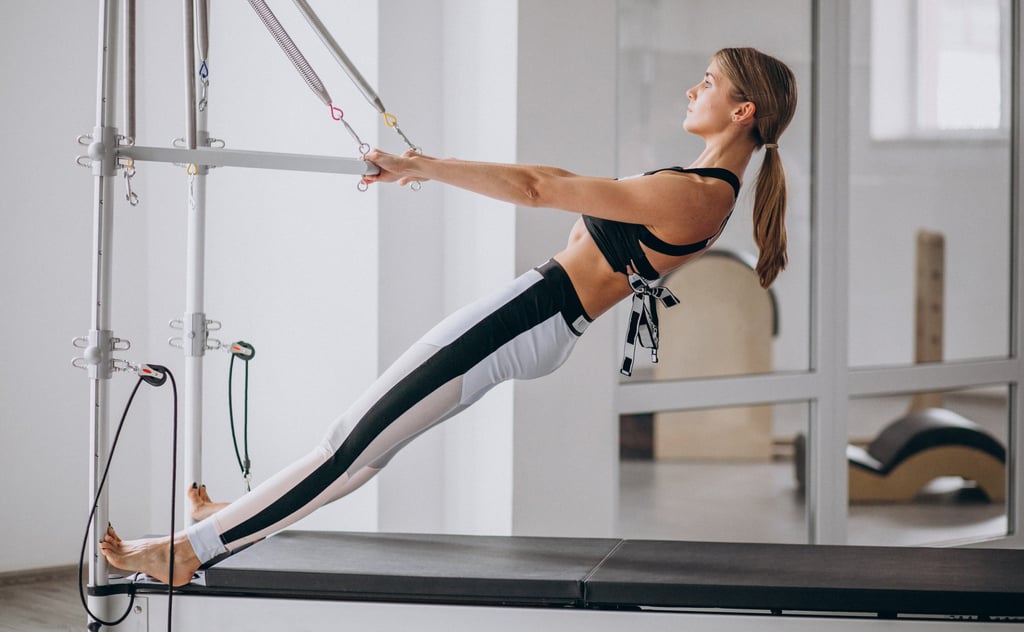
Understanding Posture and Its Importance
Posture refers to the alignment and positioning of the body while sitting, standing, or moving. Good posture means that your body is aligned properly, allowing the muscles, ligaments, and joints to work efficiently. Conversely, poor posture can lead to a myriad of health problems, including chronic pain, discomfort, and decreased physical performance. Understanding the nuances of posture is critical to fostering well-being.
Good posture is characterized by proper spinal alignment. When standing, the head should be aligned over the shoulders, and the shoulders should be aligned over the hips. In contrast, poor posture manifests as slumping or leaning, which can place excess strain on the spine and surrounding musculature. Over time, this misalignment can result in significant issues such as spinal disc degeneration, muscular imbalances, and an increased tendency for injuries.
Moreover, posture does not only influence physical appearance; it significantly impacts overall health. Poor posture is linked to back pain, neck strains, and even fatigue. When the body is not aligned correctly, extra effort is required from muscles to maintain balance and stability, contributing to muscle fatigue and discomfort. This is especially true for individuals who spend prolonged periods sitting at desks or using electronic devices, leading to a common condition known as 'tech neck.'
Furthermore, improper posture can hinder breathing efficiency and reduce lung capacity, negatively affecting oxygen supply to the body. As such, correcting posture is paramount, not only to alleviate pain but also to enhance overall well-being. By integrating practices such as Pilates into your routine, you can work towards improving posture, thereby mitigating the negative repercussions associated with poor alignment.
What is Pilates and How Does it Help?
Pilates is a low-impact exercise regimen that concentrates on strengthening muscles while improving postural alignment and flexibility. Developed by Joseph Pilates in the early 20th century, this method focuses on core strength, which is essential in maintaining proper posture and reducing back pain. The core muscles include the abdominal muscles, lower back, hips, and pelvis, which work together to stabilize the body.
One of the fundamental principles of Pilates is the emphasis on controlled movements. Each exercise is performed with precision, encouraging the body to execute movements in a mindful manner rather than with haste. This attention to detail not only enhances physical awareness but also promotes proper alignment. Breath awareness is another critical aspect of Pilates, as it encourages practitioners to synchronize breath with movement. This unity between breath and action can lead to better oxygen flow, increased relaxation, and improved body mechanics, all of which contribute to better posture.
The principles of mindfulness play a pivotal role in Pilates, aiding in awareness of body mechanics and movement patterns. Practitioners cultivate a deeper understanding of their physical limits and develop the ability to control their bodies more effectively. This heightened awareness is particularly beneficial for individuals experiencing postural issues, such as slouching or excess curvature of the spine.
Real-life examples underscore the effectiveness of Pilates in addressing postural concerns. For instance, many individuals report significant improvements in back pain and overall posture after consistently committing to Pilates sessions. The practice not only helps in alleviating discomfort but also fosters a mindful approach to body awareness, allowing practitioners to carry the benefits of improved alignment into their daily lives. The integration of physical and mental elements in Pilates thus makes it a compelling solution for those seeking to correct their posture.
The Connection Between Core Strength and Posture
The relationship between core strength and posture is integral to overall physical well-being. The core, often referred to as the body's powerhouse, encompasses several muscle groups, including the rectus abdominis, transverse abdominis, obliques, and the muscles of the lower back, pelvic floor, and diaphragm. Together, these muscles form a stable base that supports the spine and allows for proper alignment.
Good posture is characterized by the alignment of the ears, shoulders, and hips, creating an efficient structure that minimizes strain on the musculoskeletal system. When the core muscles are strong and functional, they assist in maintaining this alignment effortlessly. Conversely, weak core muscles can lead to imbalances and poor posture, causing the spine to deviate from its natural curvature. This misalignment often results in discomfort and can lead to chronic pain, particularly in the lower back.
Through Pilates training, individuals focus on exercises that specifically target core strength. This method emphasizes controlled movements and breath, helping to engage and strengthen the deep core muscles. These exercises not only improve core stability but also encourage awareness of body alignment during various activities. As these core muscles become stronger, they contribute significantly to better posture by supporting the spine and aligning the shoulders and hips appropriately.
Incorporating Pilates into one's routine can thus lead to numerous benefits beyond core strength. As individuals gain control over their abdominal and back muscles, they are more likely to notice improvements in their posture over time. Enhanced core strength through Pilates not only helps maintain a healthy alignment but may also alleviate postural-related discomfort, leading to improved overall quality of life.
Pilates Exercises for Posture Correction
Incorporating Pilates exercises into your daily routine can help significantly in correcting posture. Below are some effective Pilates exercises specifically designed to address common postural imbalances.
The Hundred: This foundational Pilates exercise engages the core while promoting blood flow. To perform the Hundred, lie on your back with your legs in a tabletop position. Lift your head, neck, and shoulders off the mat, and extend your arms alongside your body. Begin to pump your arms up and down while inhaling for five counts and exhaling for five counts, completing a total of 100 pumps. This exercise strengthens the abdominal muscles and assists in stabilizing the back, which is essential for proper posture.
Wall Roll Down: This exercise emphasizes spinal articulation and reinforces the alignment of the spine. Stand with your back against a wall, feet hip-width apart. Starting from the top of your head, slowly roll down through your spine, articulating each vertebra until you are in a forward bend. Hold for a few breaths, then engage your core to roll back up, ensuring your back stays in contact with the wall. This movement promotes flexibility in the lumbar region and encourages proper spinal alignment.
Swan Dive: The Swan Dive is beneficial for enhancing spinal extension and relieving tension in the back. Start lying face down with your hands under your shoulders. Inhale as you lift your upper body off the mat, coming into a slight backbend. As you exhale, lower your body back down with control. This exercise not only strengthens the back muscles but also teaches proper extension, which is crucial for maintaining good posture.
When incorporating these exercises, it is important to focus on proper technique and listen to your body to prevent strain. Beginners can modify exercises according to their comfort level, gradually increasing intensity as strength improves. Aim for a daily practice to reap the full benefits of Pilates for posture correction.
Creating a 2-Week Pilates Plan for Posture Improvement
Developing a 2-week Pilates program to enhance posture and alleviate back discomfort requires careful planning and commitment. This structured plan aims to guide individuals through a series of exercises designed to strengthen the core, improve flexibility, and promote proper alignment. Each session should ideally last between 30 to 45 minutes, scheduled for at least five days a week, allowing for rest and recovery on alternating days.
Week 1 focuses on foundational movements to engage and strengthen the essential muscle groups. Begin with basic exercises like the Pelvic Curl, Cat-Cow Stretch, and Single Leg Stretch, which can be performed in sets of 10 to 15 repetitions. Incorporating the Roll Up exercise will significantly aid in spinal articulation and mobility. Aim for three sessions in this week, gradually increasing to five by the end of the week.
During Week 2, the emphasis shifts towards more challenging and advanced movements, such as the Plank, Saw, and Teaser, which target various aspects of posture correction. Extend each session's duration by adding a few more repetitions or longer hold times. The intention is to push the body without overexertion, facilitating gradual progression.
To optimize results, tracking progress is crucial. Consider maintaining a log to record personal achievements and areas needing improvement. It’s beneficial to measure spinal alignment through photographs or self-assessments to visualize progress. Additionally, staying motivated can be achieved by setting realistic goals, rewarding achievements, and possibly partnering with a friend or joining a group class.
As for equipment, a yoga mat, resistance bands, and, if available, a Pilates reformer can greatly enhance the workout experience. However, a mat is sufficient for beginners to practice basic exercises safely.
Tracking your progress during the two-week Pilates routine focused on posture correction is vital to ensuring effective results. By monitoring improvements, you can stay motivated and make necessary adjustments to your practice. One of the most effective methods is to take before-and-after photos. These images allow you to visually assess changes in your posture over time. When taking these pictures, ensure that you stand in the same position with good lighting for consistent comparison.
Self-assessments serve another essential function in this process. Regularly evaluate your posture by checking in with how you feel throughout the day. Stand against a wall to see if your head, shoulders, and heels are aligned. Note any instances of discomfort or stiffness that may indicate improper form or persistent imbalances. Keeping a journal documenting your experiences can also provide valuable insights. Record any changes in pain levels and overall well-being, as these indicators can reveal the effectiveness of your Pilates routine.
As you progress, it is important to adjust your Pilates routine to continue challenging your body effectively. Depending on your self-assessment and the results from your photos, consider modifying the exercises or increasing the intensity. For instance, if you've found that certain movements feel easier over time, incorporate variations or additional repetitions to stimulate your muscles further and reinforce good posture. Additionally, consult with a certified Pilates instructor to ensure that you are performing the exercises correctly and using the appropriate modifications. This will promote safe progression and help you achieve better outcomes.
By diligently tracking your progress and making informed adjustments to your routine, you can maximize the benefits of Pilates for improved posture.
Success Stories and Recommendations
Many individuals have successfully incorporated Pilates into their fitness routines, specifically to address posture correction. For instance, Sarah, a 34-year-old office worker, shared her experience of incorporating Pilates twice a week into her schedule. After just two weeks, she noticed significant improvements in her posture and a reduction in her back pain, which she previously attributed to long hours of sitting. Sarah highlighted how exercises focusing on core strength and spinal alignment helped her not only improve her physical appearance but also boost her confidence.
Another inspiring story is from David, a 45-year-old athlete who had suffered from persistent back issues due to improper lifting techniques. On the recommendation of his physical therapist, he began a Pilates regimen aimed at strengthening his lower back and enhancing flexibility. Within two weeks, David reported a remarkable decrease in discomfort and praised Pilates for changing his approach to strength training and injury prevention.
These success stories demonstrate the efficacy of Pilates in correcting posture and alleviating discomfort. Beyond personal testimonials, there is a wealth of resources available for individuals looking to explore Pilates further. Books such as "Pilates for Life" by Dale Hurst provide insights into various exercises and their benefits for posture correction. Furthermore, numerous online platforms offer instructional videos and classes tailored to different levels, making it easier for anyone to engage in practicing Pilates safely.
When considering resources, it is advisable to seek out group classes or personalized sessions led by qualified instructors. Websites such as Pilates.com and local fitness centers often provide listings of certified Pilates instructors. Engaging with a professional ensures proper guidance, technique, and a personalized approach to achieving optimal results in posture correction and overall wellness.
Ready to get on the mat?
Book your first visit and experience the space for yourself. We'll confirm within 24 hours, and your first class is 20% off.
Address
Book My First Visit
info@travelyoga.com.br
+1-555-123-4567
© 2026 Travel Yoga. All rights reserved. reserved.
Questions about the studio, the schedule, or your first visit? Reach out and we'll help you find the best place to begin.