Inside Our Studio | Yoga & Pilates Space in NY | Travel Yoga
At-Home Pilates Program: Build a Studio-Level Practice Without Equipment
Pilates is a versatile form of exercise that emphasizes core strength, flexibility, and proper alignment. Developed by Joseph Pilates in the early 20th century, this method initially aimed to assist injured soldiers in their recovery. Over the years, Pilates has evolved into a comprehensive workout system that can significantly improve physical health and enhance mental wellbeing.
5/17/20268 min read
Introduction to Pilates at Home
Pilates is a versatile form of exercise that emphasizes core strength, flexibility, and proper alignment. Developed by Joseph Pilates in the early 20th century, this method initially aimed to assist injured soldiers in their recovery. Over the years, Pilates has evolved into a comprehensive workout system that can significantly improve physical health and enhance mental wellbeing.
The benefits of Pilates extend beyond mere fitness. This practice not only develops physical strength but also promotes mental clarity and focus. Individuals who engage in Pilates often report improved posture, increased body awareness, and a reduction in stress levels. As such, it is not merely an exercise regimen but a holistic approach to health and wellness.
One of the most appealing aspects of Pilates is its adaptability, making it accessible to people of all fitness levels. Whether you are a seasoned athlete or a beginner, Pilates offers modifications to ensure anyone can practice at home. With or without equipment, the focus remains on controlled movements and breath, making it easy to integrate into daily routines. Practicing Pilates at home eliminates barriers such as travel time to a studio and the necessity for specialized equipment. All that is required is a dedicated space, making it an incredibly convenient option to enhance one’s fitness journey.
Through online resources and virtual classes, individuals can find a wealth of instructional videos and tutorials that cater to various experience levels. This accessibility allows practitioners to build a studio-level practice in the comfort of their homes, ultimately empowering them to take charge of their health and fitness journey.
Creating Your Ideal At-Home Space
Establishing a dedicated space for your at-home Pilates practice is essential for fostering motivation and ensuring a focused environment. The first step in creating your ideal Pilates area is selecting an appropriate location within your home. Look for a space that offers adequate room to move and perform exercises comfortably. Ideally, this should be a quiet area with natural light, as sunlight can help create a more inviting atmosphere.
Once you have identified the perfect spot, the next step is to gather the necessary supplies. A good quality yoga mat is fundamental for any Pilates practice, as it provides cushioning and support. If you don't have a mat, a thick towel can serve as a makeshift alternative. Additionally, consider adding comfortable props such as blocks, cushions, or bands, which can enhance your workout experience and align with your personal preferences.
Minimizing distractions is crucial for maintaining focus during your sessions. Consider reducing noise levels by turning off electronic devices and avoiding clutter in your chosen space. You might also find it helpful to use earplugs or play soft instrumental music to create a calming soundtrack for your practice. Incorporating elements that inspire tranquility, such as plants or artwork, can further enrich your experience and promote relaxation.
Finally, personalizing your area can make the space feel uniquely yours, reinforcing your commitment to regular practice. Use colors, textures, or themes that resonate with you to create an environment that motivates you. By thoughtfully designing your at-home Pilates space, you are investing in not just a physical area but also in your overall well-being and fitness journey.
Basic Pilates Principles and Techniques
Pilates, an exercise method developed by Joseph Pilates, is characterized by its focus on strengthening the core, enhancing flexibility, and promoting overall body awareness. At the heart of this practice are fundamental principles that guide practitioners to perform exercises with maximum effectiveness, even without specialized equipment. Understanding these principles is essential for anyone engaging in an at-home Pilates program.
One of the primary principles is concentration, which emphasizes the importance of mental focus during exercises. Participants are encouraged to direct their full attention to the movements, allowing for a deeper connection with their bodies and ensuring that exercises are performed with intention. This focus also aids in maintaining proper form, a crucial aspect of effective Pilates practice.
Control is another key principle, highlighting the necessity of executing movements with precision and stability. In Pilates, the goal is to perform each exercise deliberately, thereby enhancing muscle strength and developing coordination. This aspect also minimizes the risk of injury that can arise from uncontrolled movements.
The concept of centering in Pilates refers to engaging the core muscles as a foundation for all exercises. By activating these central muscles, practitioners can achieve better balance and support throughout their practice. Additionally, flow is essential, promoting smooth transitions between movements to create a seamless routine that feels natural and fluid.
Breath is integral to Pilates, as it not only helps regulate movement but also enhances oxygen flow throughout the body. Practitioners are taught to coordinate their breath with their actions, fostering a rhythm that elevates the overall experience. Finally, precision in Pilates ensures that every movement is purposeful, targeting specific muscle groups while maintaining proper alignment.
By implementing these basic principles—concentration, control, center, flow, breath, and precision—individuals can significantly enhance their Pilates practice at home, reaping the benefits of this low-impact yet highly effective workout method.
Step-by-Step At-Home Pilates Routine
Embarking on a Pilates journey at home can be an enriching experience, especially when following a structured routine. Below is a comprehensive guide designed for all skill levels, from beginners to advanced practitioners. This routine emphasizes core strength, flexibility, and overall body toning.
1. The Hundred - Begin your session with this classic exercise to engage your core. Lie on your back, lift your legs to a 45-degree angle, and raise your head and shoulders off the mat. Pump your arms in small, controlled motions while inhaling for five counts and exhaling for five counts. Aim for ten cycles, which will encourage blood flow and warm up your muscles.
2. Roll-Up - Proceed to the Roll-Up to enhance spinal flexibility and abdominal strength. Lie flat with your arms extended overhead. As you exhale, articulate your spine off the ground, reaching forward towards your toes. Inhale as you lower back down slowly. Repeat this movement five to eight times, focusing on controlled, fluid motions.
3. Single Leg Stretch - This exercise targets your obliques and hip flexors. Begin on your back with one knee pulled toward your chest and the other leg extended. Switch legs while engaging your core and maintaining a steady rhythm. Complete ten repetitions on each side to cultivate strength and coordination.
4. Plank - Transition to a plank position to build upper body and core strength. Keep your body in a straight line from head to heels, engaging your abdominal muscles. Hold this position for 30 seconds, allowing your body to adjust to the intensity of the exercise.
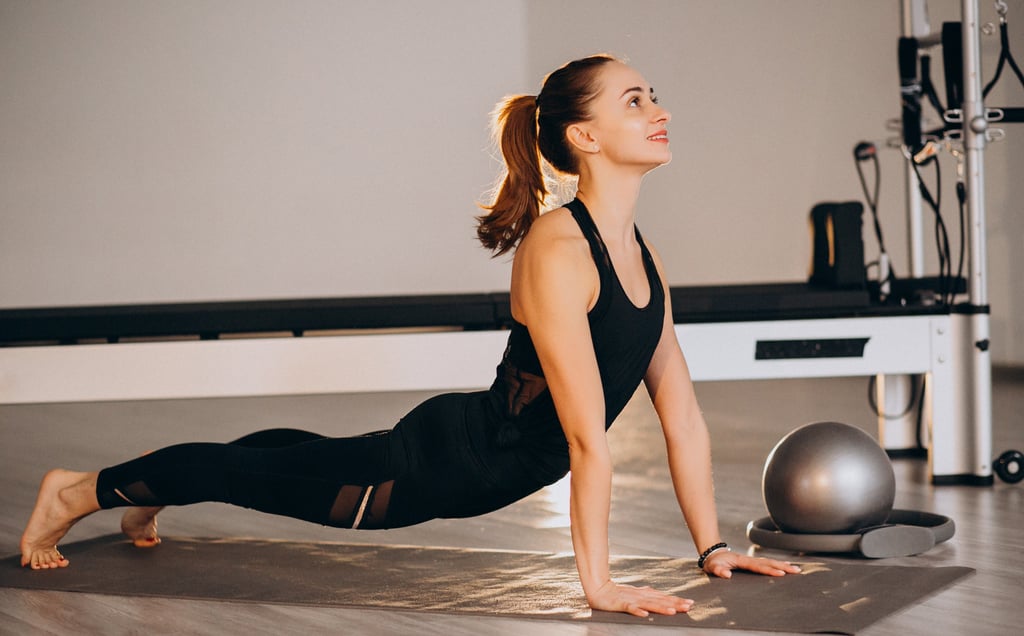
5. Swan Dive - Finally, perform the Swan Dive to promote back extension and posture correction. Lie face down with your hands under your shoulders, lift your chest while pressing your hips into the ground. Lower back down with control and repeat three to five times, focusing on elongating your back.
Repeat this sequence two or three times, adjusting based on your skill level. As you progress, consider increasing the repetition count or duration for each exercise.
Modifications and Variations for All Levels
Pilates is a versatile exercise method that can be tailored to accommodate practitioners of all fitness levels and physical capacities. Modifications are essential when introducing Pilates exercises to ensure safety and effectiveness, particularly for those dealing with injuries or limitations. For instance, beginners may find certain traditional exercises, such as the Teaser, challenging. In such cases, they can benefit from simplified variations, like the modified version where the legs remain on the floor, gradually allowing them to build core strength and confidence before progressing.
In addition to beginners, individuals with specific physical limitations can find adaptations essential. For example, those with lower back pain may avoid overly strenuous exercises like full roll-ups, opting instead for half roll-downs that engage the core gently while ensuring alignment and safety. Encouraging practitioners to listen to their bodies is critical, allowing them to explore suitable exercises that suit their own level of strength and flexibility.
To maintain engagement in an at-home Pilates program, incorporating variations can be beneficial. For example, an experienced practitioner might add resistance techniques by using light household items, such as water bottles, for resistance training. Similarly, utilizing different tempos during movements can help in enhancing the workout’s intensity without changing the fundamental exercises themselves. Encouraging those involved in Pilates to play around with their routine not only fosters creativity but also keeps motivation levels high, which is vital for a sustainable practice.
Ultimately, acknowledging that each individual's journey is unique is crucial. Providing practitioners with tools and knowledge to modify and explore variations not only enhances their effectiveness in Pilates but also ensures a more enjoyable workout experience. By focusing on these aspects, practitioners can establish a fulfilling and safe at-home Pilates routine.
Incorporating Mindfulness and Breathing Techniques
In the context of an at-home Pilates program, the integration of mindfulness and breathing techniques plays a crucial role in enhancing physical practice and overall wellness. Mindfulness refers to the ability to maintain an awareness of the present moment, promoting a deeper connection between the mind and body. In Pilates, this connection is essential as it encourages practitioners to focus on their movements, alignments, and sensations during each exercise.
Breath control is also a fundamental aspect of Pilates. It aids in stabilizing the core, enhancing movement precision, and improving overall performance. By coordinating breath with movement, practitioners can achieve greater clarity and fluidity in their workouts. For example, inhaling during preparation for a movement and exhaling as one executes the action helps facilitate muscle engagement and supports effective transitions.
To incorporate these practices effectively, beginners can start by focusing on simple breathing exercises. One effective technique is the diaphragmatic breath, which involves inhaling deeply through the nose, allowing the abdomen to expand, and exhaling through the mouth while contracting the abdominal muscles. This method not only calms the mind but also prepares the body for upcoming exercises, ensuring that breath aligns with movement.
Additionally, establishing a mindful approach can be enhanced through visualization techniques. Practitioners might visualize the muscles they aim to engage or the movements they aspire to execute throughout their session. By consciously envisioning these aspects, they can enhance their mental focus, fostering a supportive internal environment for their Pilates journey.
Overall, incorporating mindfulness and breathing techniques into an at-home Pilates program not only improves physical performance but also nurtures mental well-being, creating a comprehensive wellness experience.
Tracking Progress and Staying Motivated
Establishing an at-home Pilates program requires a deliberate approach to tracking progress and maintaining motivation. One fundamental strategy is to set achievable goals that are specific, measurable, attainable, relevant, and time-bound (SMART). Goals can range from mastering a particular Pilates move to completing a set number of sessions per week. By breaking down larger aspirations into smaller, manageable goals, practitioners can foster a sense of accomplishment as they achieve each milestone.
To effectively monitor progress, a fitness journal or digital app can be invaluable. Recording daily or weekly practice details, noting improvements in flexibility, strength, or stamina is instrumental in visualizing growth over time. This accountability not only provides concrete evidence of progress but also highlights areas needing attention, encouraging focused practice sessions to address specific needs.
Celebrating milestones is also critical in maintaining motivation. Recognizing the effort that goes into developing a consistent Pilates practice can reinvigorate enthusiasm. This could be as simple as treating oneself to new workout attire or enjoying a relaxing day after completing a set number of classes. Exploring avenues such as group classes, online communities, or social media platforms can further enhance motivation. Engaging with fellow enthusiasts provides a support network that not only promotes accountability but also fosters camaraderie.
Lastly, cultivating a consistent practice is paramount for long-lasting results. The benefits of Pilates extend beyond physical fitness; they promote mental clarity and emotional wellbeing. Fitting sessions into a regular schedule, perhaps at the same time each day, aids in making Pilates a core component of one’s lifestyle. By adopting these strategies, individuals can enhance their at-home Pilates experience, ensuring it remains rewarding and sustainable.
Ready to get on the mat?
Book your first visit and experience the space for yourself. We'll confirm within 24 hours, and your first class is 20% off.
Address
Book My First Visit
info@travelyoga.com.br
+1-555-123-4567
© 2026 Travel Yoga. All rights reserved. reserved.
Questions about the studio, the schedule, or your first visit? Reach out and we'll help you find the best place to begin.