Inside Our Studio | Yoga & Pilates Space in NY | Travel Yoga
Pilates for Men: Why More Athletes Are Switching to Low-Impact Training
Pilates, a form of low-impact exercise, was developed in the early 20th century by Joseph Pilates. Originally created as a rehabilitation method, it has often been perceived as a female-centric workout, catering primarily to those seeking flexibility, endurance, and core strength. While this perception has dominated the narrative for decades, recent years have witnessed a significant rise in the popularity of Pilates among men, particularly within athletic circles.
5/17/20267 min read
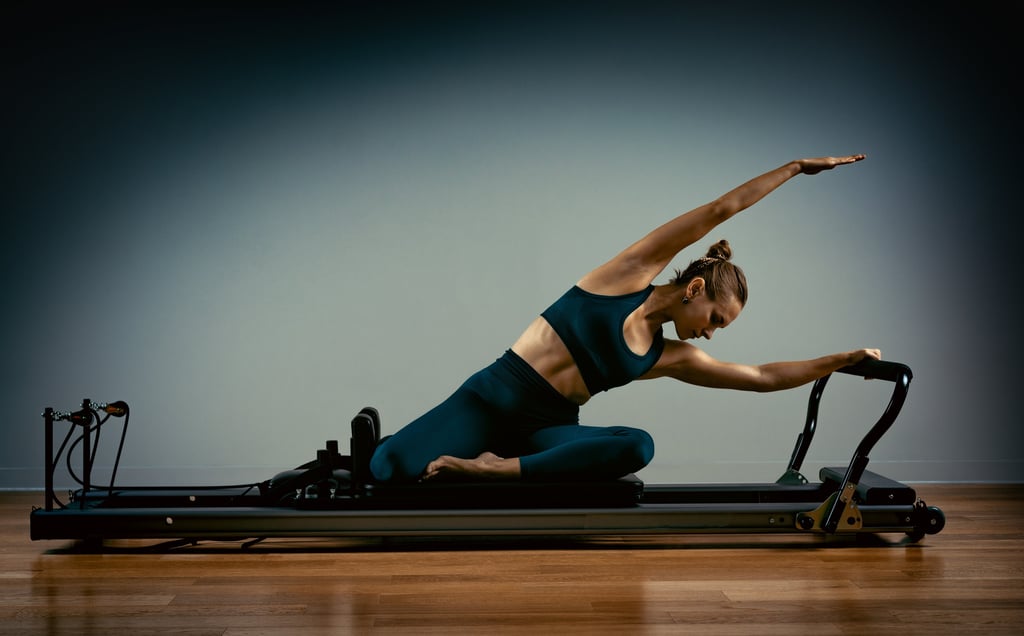
Introduction to Pilates and Its Rise Among Men
Pilates, a form of low-impact exercise, was developed in the early 20th century by Joseph Pilates. Originally created as a rehabilitation method, it has often been perceived as a female-centric workout, catering primarily to those seeking flexibility, endurance, and core strength. While this perception has dominated the narrative for decades, recent years have witnessed a significant rise in the popularity of Pilates among men, particularly within athletic circles.
This shift can be attributed to various factors that underscore the benefits of Pilates for men. Athletes are increasingly seeking efficient ways to enhance their performance and prevent injuries. The low-impact nature of Pilates allows for comprehensive training without the strain that often accompanies traditional strength training or high-intensity workouts. This aspect makes it particularly appealing for men who are interested in cross-training while also focusing on flexibility, core stability, and overall body control.
Moreover, the growing recognition of injury prevention and recovery strategies has prompted athletes to seek out low-impact alternatives. Pilates emphasizes alignment, balance, and the development of core strength, which not only promotes performance but also aids in minimizing the risk of injuries. As a holistic fitness approach, it engages multiple muscle groups and encourages body awareness—an essential component for any athlete striving for peak performance.
Furthermore, the evolution of fitness culture has contributed to this paradigm shift. As more male celebrities and athletes publicly endorse Pilates, a broader acceptance of its benefits has emerged, challenging the outdated notion that Pilates is solely for women. Through these endorsements and the success stories of male athletes who have integrated Pilates into their training regimens, more men are discovering the advantages of this transformative exercise practice.
The Science Behind Pilates: How It Works
Pilates is a low-impact exercise regimen founded on a unique blend of core engagement, controlled movements, and breath awareness. At its core, Pilates seeks to enhance strength and flexibility through scientifically grounded principles. One of its primary goals is to strengthen the core—a group of muscles in the abdomen, lower back, and pelvis that are vital for stabilizing the body during movement.
The exercises are structured to engage these muscles dynamically, creating a stable foundation that can lead to improved athletic performance. Through targeted core exercises, practitioners cultivate better balance, coordination, and posture. Improved core stability reduces the risk of injury, which is particularly significant for athletes who subject their bodies to high-stress environments.
Biomechanically, Pilates emphasizes controlled, precise movements over high-impact exercises. Each movement is executed with awareness of the body’s alignment, which helps in correcting poor postural habits that may lead to injuries or decrease efficiency in sports performance. This meticulous approach to movement not only strengthens muscles but also enhances flexibility, allowing for a greater range of motion. As flexibility increases, athletes find it easier to execute complex movements, improving their overall agility and performance on the field or court.
Breathing is another critical component of Pilates, as synchronized breathing techniques are employed to facilitate deeper engagement of the core muscles during exercises. This integration of breath with movement not only aids in muscle engagement but also contributes to relaxation and a reduction in overall stress levels. Therefore, Pilates not only fosters physical enhancements but also nurtures an athlete's mental resilience, making it a comprehensive training method.
Key Benefits of Pilates for Athletes
Pilates is increasingly becoming a go-to training method for athletes across various sports, and its benefits are particularly noticeable in functional strength and flexibility. One major advantage of Pilates is its focus on core strength, which is fundamental in nearly every athletic endeavor. A strong core can lead to improved balance, stability, and overall athletic performance, allowing athletes to execute movements more efficiently and accurately.
In addition to core strength, Pilates emphasizes body awareness and alignment. These principles are essential in preventing injuries, as athletes are better equipped to understand their physical limitations and mechanics. By developing body awareness through focused movements, athletes can detect imbalances or weaknesses that may put them at risk, enabling them to address these issues proactively.
Another significant benefit of Pilates is its role in enhancing recovery times. The low-impact nature of Pilates allows athletes to engage in effective cross-training without additional strain on their bodies. This is particularly important during intense training cycles or after injuries, as Pilates promotes circulation and muscle relaxation, aiding the recovery process.
Pilates is also highly adaptable, making it an excellent complement to more traditional training regimens. Athletes involved in high-impact sports, such as running, football, or basketball, can integrate Pilates sessions into their routine to enhance flexibility and complement their strength training. Furthermore, the focus on controlled movements can help athletes refine their techniques in their respective sports, leading to higher performance levels.
Ultimately, the integration of Pilates into an athlete's training program not only fosters physical improvements but also contributes to a greater understanding of their body mechanics. This holistic approach ensures that athletes are well-prepared for their sport, both in terms of capability and injury prevention.
Personal Experiences: Athletes Who Practice Pilates
In recent years, Pilates has gained significant traction among male athletes across various sports disciplines, with many reporting enhanced performance and overall well-being. For instance, a professional soccer player shared that incorporating Pilates into his training routine has significantly improved his core strength and flexibility, aspects crucial for maintaining balance and agility on the field. He emphasized that the controlled movements and focus on breath inherent in Pilates helped him recover from injuries faster and reduced his chances of recurring issues, thus allowing for more effective training sessions.
Similarly, a competitive swimmer noted how Pilates has positively impacted his stroke efficiency and breathing techniques. He found that the emphasis on proper alignment and body awareness in Pilates directly translated to more streamlined movements in the water, helping him achieve better times during competitions. The cross-training aspect of Pilates also provided him a low-impact alternative to traditional strength training, which he appreciated for its ability to lessen stress on his joints.
An athlete from the world of rugby shared his insights about the importance of Pilates in enhancing his mental stamina. He mentioned the meditative aspects of the practice, which not only contributed to physical improvement but also helped him cultivate greater focus and mental resilience during high-pressure situations on the field. He noted that being more aware of his body through Pilates has allowed him to make more strategic decisions during games.
These personal testimonials reflect a broader trend where athletes increasingly recognize the multifaceted benefits of Pilates as part of their training regimen. From improved physical capabilities to enhanced mental clarity, the evidence suggests that Pilates is not just a trendy addition to fitness but a transformative practice for those looking to excel in their respective sports.
Dispelling Myths: Pilates Isn't Just for Women
The notion that Pilates is predominantly a workout for women persists in popular culture, yet this perception is rapidly changing. Evidence suggests that men are increasingly recognizing the advantages of incorporating Pilates into their fitness regimens. A recent study from the American Council on Exercise indicates that approximately 30% of Pilates practitioners in the United States are male, showcasing a significant shift in participation demographics.
Experts emphasize that Pilates offers a variety of benefits that attract both men and women alike. Renowned fitness trainer Dr. John Smith notes, "Pilates enhances core strength, flexibility, and balance, which are essential elements for athletes across all sports. It's not merely a workout; it's a comprehensive training strategy that can elevate performance and reduce injury risk." This perspective highlights how Pilates is beneficial for male athletes seeking to optimize their physical fitness and resilience.
Furthermore, professional athletes from various disciplines have begun embracing Pilates as an integral part of their training regimens. For instance, celebs like LeBron James and Beckham reportedly utilize Pilates to improve core stability and overall functional fitness, allowing them to enhance their performance while minimizing stress on their joints. This diversification in Pilates practice among men illustrates that the workout transcends traditional gender boundaries, accommodating a wide array of athletic requirements.
Alongside anecdotal evidence, reports and surveys within fitness communities continue to show that more men are opting for low-impact workouts. Pilates not only helps alleviate back pain and improve posture but also creates a foundation for strength training that many athletes now consider crucial. As awareness grows, it is essential to reframe the common misconception surrounding Pilates, acknowledging it as a versatile exercise modality fit for anyone, regardless of gender.
Getting Started with Pilates: Tips for Men
As an increasing number of men turn to Pilates, understanding how to begin this beneficial practice becomes essential. First and foremost, selecting the right class is a crucial step. Many studios offer introductory classes, specifically designed for beginners, which can help ease the transition into Pilates. It is advisable to look for classes labeled as ‘beginner’ or ‘foundational’ to ensure the pace and intensity align with your current fitness level.
When attending your first session, be aware that Pilates is focused on controlled movements and breath. You can expect a range of exercises that emphasize flexibility, core strength, and stability. It is common for the first class to feel challenging, yet this is a sign of progress as you work to enhance body awareness and strength. Remember to communicate with your instructor about any health concerns or injuries; they can provide modifications to suit your needs.
Choosing the right instructor can significantly impact your experience. Look for certified Pilates instructors who have extensive knowledge in the field and experience working with male clients. They should prioritize safety, alignment, and provide clear instructions. Additionally, many instructors create individualized workout plans to accommodate specific goals—such as improving athletic performance or building strength—and foster an inclusive atmosphere.
For those just starting out, consider incorporating a few beginner-friendly exercises into your routine. Fundamental movements like the pelvic curl, shoulder bridge, and cat-cow can be done at home and help you build a solid foundation. As you progress and confidence grows, engaging in a variety of Pilates workouts will enhance your strength, flexibility, and overall athletic performance.
Conclusion: The Future of Pilates in Men's Fitness
As we have explored throughout this blog post, Pilates is steadily gaining traction among male athletes seeking low-impact training options. This unique approach to fitness is not only beneficial for building core strength and enhancing flexibility but also serves to prevent injuries—a paramount concern for anyone engaged in athletic activities. Traditional weight training often emphasizes lifting heavy weights and high-impact workouts, which can lead to injuries over time. In contrast, Pilates offers a holistic method that focuses on body awareness and functional movement, making it an appealing alternative for many men.
The growing awareness of the benefits of Pilates has sparked interest among men in various sports, including football, basketball, and martial arts. As more male athletes experience and advocate for the advantages of incorporating Pilates into their routine, it is likely that participation will continue to rise. Furthermore, the perception of Pilates as a female-dominated workout is gradually changing, as more fitness studios and trainers provide inclusive environments that cater specifically to men.
The future appears promising for Pilates as a component of men’s fitness. As it continues to penetrate mainstream athletic training regimens, the emphasis on mindfulness, breath control, and injury prevention aligns well with emerging trends in fitness that prioritize long-term health over immediate results. By integrating Pilates, men not only complement their existing training but also develop a more balanced fitness journey. We encourage readers to explore Pilates either through classes, online tutorials, or studios in their areas. Embracing this low-impact training will be a step toward enhanced athletic performance and overall well-being, paving the way for a healthier future in men's fitness.
Ready to get on the mat?
Book your first visit and experience the space for yourself. We'll confirm within 24 hours, and your first class is 20% off.
Address
Book My First Visit
info@travelyoga.com.br
+1-555-123-4567
© 2026 Travel Yoga. All rights reserved. reserved.
Questions about the studio, the schedule, or your first visit? Reach out and we'll help you find the best place to begin.