Inside Our Studio | Yoga & Pilates Space in NY | Travel Yoga
Daily Pilates Routine for Women: Sculpt, Tone, and De-Stress
Pilates is a well-regarded form of exercise that has gained significant popularity among women for its unique approach to fitness. Developed in the early 20th century by Joseph Pilates, this exercise system was designed to help individuals enhance their physical strength, flexibility, and overall well-being. The philosophy behind Pilates emphasizes the importance of a strong core, proper posture, and mindful movement, making it an ideal workout choice for women seeking to improve their fitness levels holistically.
5/17/20267 min read
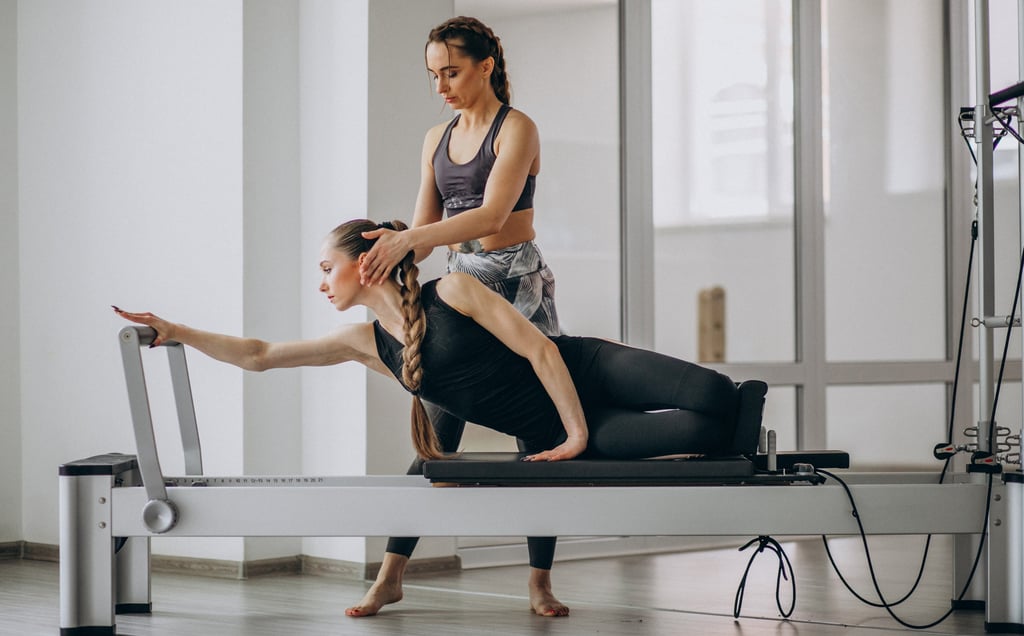
Introduction to Pilates
Pilates is a well-regarded form of exercise that has gained significant popularity among women for its unique approach to fitness. Developed in the early 20th century by Joseph Pilates, this exercise system was designed to help individuals enhance their physical strength, flexibility, and overall well-being. The philosophy behind Pilates emphasizes the importance of a strong core, proper posture, and mindful movement, making it an ideal workout choice for women seeking to improve their fitness levels holistically.
One of the key benefits of Pilates is its focus on muscle strength and toning. By engaging in controlled movements, practitioners can work on specific muscle groups, leading to improved balance and body alignment. This targeted approach allows women to sculpt their bodies effectively while minimizing the risk of injury. Additionally, Pilates promotes flexibility, which is essential for maintaining joint health and overall mobility, especially as one ages.
Furthermore, Pilates has been recognized for its mental health benefits. The practice encourages concentration and mindfulness, fostering a mind-body connection that can help reduce stress and anxiety. As women engage in these structured movements, they not only cultivate physical strength but also achieve mental clarity and emotional balance. This combined outcome makes Pilates an excellent exercise choice for those looking to enhance both physical fitness and psychological well-being.
In summary, Pilates offers women a comprehensive fitness regime that is not only effective for building strength and flexibility but also instrumental in managing stress. Its origins and philosophy continue to resonate with individuals seeking a workout that nurtures both the body and mind, establishing it as a favored option in the realm of exercise.
Benefits of a Daily Pilates Routine
Incorporating a daily Pilates routine has numerous advantages that contribute significantly to physical and mental well-being. One of the foremost benefits is the improvement in posture. Pilates emphasizes proper alignment and awareness of body mechanics, which can result in a more upright posture over time. This is of particular importance in today's world, where prolonged sitting and poor ergonomic setups are common.
Additionally, practicing Pilates enhances body awareness. Practitioners learn to understand their bodies better, which leads to more controlled and intentional movements. This heightened sense of body awareness can translate to improved performance in other physical activities and daily tasks. Core strength is another crucial benefit; Pilates is renowned for its focus on strengthening the core muscles, which support the spine and pelvis. A strong core is essential for overall stability and injury prevention, making it beneficial for both athletic individuals and those seeking general fitness.
Beyond the physical benefits, a daily Pilates practice can serve as an effective stress-reliever. The focus on breathing techniques combined with fluid movements encourages relaxation and mental clarity. Practitioners often report feeling more centered and balanced after each session, which can enhance mood and reduce anxiety levels. Furthermore, this connection between breath and movement allows for a meditative quality that fosters mental well-being.
Overall, the cumulative effects of a dedicated Pilates routine extend well beyond mere physical improvement. By engaging with the mind-body connection through focusing on core strength, posture, and stress relief, individuals can achieve a more balanced, healthy lifestyle.
Creating Your Daily Pilates Routine
Establishing a personalized daily Pilates routine is crucial to ensure a consistent and effective fitness practice. When designing your routine, begin by determining a suitable duration that aligns with your schedule. For beginners, starting with 20-30 minutes of Pilates exercises three to four times a week is a practical approach. This ensures you can gradually build strength and flexibility without feeling overwhelmed.
As you become more familiar with Pilates, consider increasing your workout duration to 45 minutes or even an hour, incorporating sessions five to six times a week. Integrate a variety of exercises that target different muscle groups, focusing on core engagement, balance, and flexibility. Core-strengthening exercises such as the Hundred, Roll-Up, and Plank are fundamental, while movements like the Saw and Spine Stretch will enhance your flexibility.
Setting realistic goals is pivotal in staying motivated throughout your Pilates journey. Aim for measurable outcomes, such as increasing the number of repetitions in specific exercises or achieving a greater range of motion. It can also be beneficial to track your progress over time. Consider keeping a journal or utilizing a mobile app to note improvements in strength, flexibility, or overall well-being.
To maintain a high level of motivation, incorporate variety into your workouts. Explore different Pilates types—classical, contemporary, barre, or even online sessions. This not only keeps your routine engaging but also allows you to find what resonates best with you. Always listen to your body; if certain exercises are not comfortable, modify them or consult a qualified instructor for personalized guidance.
Essential Pilates Exercises for Sculpting and Toning
Pilates is a sought-after exercise regimen that offers numerous advantages, particularly for those aiming to sculpt and tone their bodies. Below is a detailed breakdown of essential Pilates exercises designed specifically for women to enhance muscle definition and improve overall physique.
The first exercise to include in your routine is the Plank. This foundational move strengthens the core, including the abdominals, back, and shoulders. To perform a proper plank, begin in a push-up position with your hands aligned beneath your shoulders. Keep your body in a straight line from head to heels and engage your core muscles. Variations such as side planks can target your obliques more effectively.
Next, consider the Roll Up. This exercise emphasizes the connection between breath and movement while targeting the abdominal muscles. To execute this move, lie on your back with your legs extended and arms overhead. Breathe in as you lift your arms and roll up to a seated position, exhaling as you reach your toes. This exercise can be modified by bending the knees to maintain proper form.
The Single Leg Circle is another excellent choice for toning the legs and improving hip mobility. While lying on your back, extend one leg toward the ceiling and draw circles with the foot while keeping the other leg grounded. This move can be adjusted by making the circles smaller or larger, catering to individual skill levels.
Lastly, incorporate the Swan Dive into your routine to enhance back strength and promote flexibility. Begin by lying face down with your arms extended in front of you. Lift your chest and legs off the ground simultaneously, mimicking a swan's graceful arch. For beginners, it is crucial to maintain a neutral spine throughout.
By regularly practicing these essential Pilates exercises, women can effectively sculpt and tone their bodies, promoting a sense of well-being and physical confidence. Integrating variations for different skill levels ensures that all practitioners can benefit from these impactful movements.
Incorporating Mindfulness and De-Stress Techniques
Mindfulness is a powerful component that enhances the effectiveness of a Pilates routine, extending the benefits beyond physical fitness. By integrating mindfulness practices into daily sessions, practitioners can enhance focus, mitigate anxiety, and promote deep relaxation, thereby cultivating a holistic approach to wellness. The core principles of mindfulness—awareness, focus, and acceptance—can significantly improve the experience and outcomes of Pilates workouts.
To begin incorporating mindfulness into your Pilates practice, consider starting each session with a brief moment of meditation. Take 5 to 10 minutes to focus on your breathing, allowing thoughts to fade into the background. This practice not only sets a calm tone for your workout but also sharpens concentration, enabling a deeper connection between mind and body. Paying attention to your breath during exercises further emphasizes the importance of rhythm in Pilates, encouraging a harmonious flow of movement.
Another effective technique to alleviate stress is the emphasis on body awareness throughout your workout. As you transition through various Pilates poses, maintain an acute awareness of how your body feels and moves. This practice encourages a non-judgmental observation of physical sensations, helpfully redirecting your attention away from stressors to a centered space of self-acceptance and body appreciation. Additionally, utilizing visualization techniques can be advantageous. Picture stress leaving your body through each exhalation, and visualize strength and calm filling you with each inhalation.
Finally, integrating gentle affirmations during practice can enhance mental well-being. Repeating phrases such as "I am strong" or "I find peace in my movement" can serve to reinforce positive mental patterns, further diminishing anxiety levels. By consciously blending these mindfulness practices into your Pilates routine, you create a more enriching experience that cultivates both physical and mental wellness.
Common Mistakes to Avoid in Pilates Practice
Engaging in a Pilates routine can offer numerous benefits, including improved flexibility, enhanced core strength, and relaxation. However, both novices and seasoned practitioners may encounter several common pitfalls that can diminish the effectiveness of their practice or even lead to injury. Understanding these mistakes is essential for maximizing the benefits of Pilates.
One prevalent misunderstanding amongst beginners is the importance of proper form. Pilates emphasizes precision and control, and incorrect alignment can lead to ineffectiveness and strain on the body. It is imperative to maintain correct posture throughout each exercise, ensuring the spine remains elongated and the core is engaged. Beginners should take time to learn the foundational exercises and seek guidance from a qualified instructor to obtain personalized feedback.
Another critical aspect of Pilates practice that is often overlooked is the technique of breathing. Coordinating breath with movement is fundamental in Pilates; inhaling during preparation and exhaling during exertion helps facilitate control and stability. Inadequate attention to breathing techniques can lead to tension and inefficient movement, reducing the overall benefit of the workout. Practitioners may benefit from consciously focusing on their breath patterns during each session, which also contributes to relaxation.
Listening to one's body is crucial in any physical practice, including Pilates. Many individuals push through discomfort, believing this will accelerate progress. However, this can result in pain or injury. It is important to distinguish between discomfort from effort and pain that indicates potential injury. Modifying exercises when necessary and allowing the body adequate rest and recovery are vital components of a safe practice. Regularly checking in with oneself can promote a more sustainable and enjoyable Pilates experience.
Conclusion and Motivational Tips
In conclusion, adopting a daily Pilates routine can significantly benefit women by promoting physical strength, flexibility, and mental well-being. This low-impact exercise method not only sculpts and tones the body but also provides an effective outlet for stress relief. Engaging in Pilates regularly fosters heightened body awareness while improving posture and balance. These benefits combined encourage a healthier lifestyle and a deeper connection between body and mind.
Staying committed to any fitness regimen, including Pilates, requires motivation and support. One effective way to enhance your commitment is to join a community of like-minded individuals. Being part of a Pilates class or online group can offer encouragement, tips, and a sense of camaraderie. Likewise, finding a workout buddy can significantly increase your accountability. Arranging to practice together can make the experience more enjoyable and less daunting.
Consistency is crucial when it comes to achieving long-term results with Pilates. Set realistic goals and celebrate small victories along the way. Remember that progress may not always be linear; there will be ups and downs. Embrace the journey, and remind yourself of the positive impact that a consistent Pilates practice will have on your body and mind over time.
Staying motivated can also be achieved by keeping your routine fresh. Explore different Pilates styles or incorporate new equipment to maintain your interest. A change in scenery, such as practicing outdoors or trying an online class, can reinvigorate your routine. By prioritizing your well-being and maintaining your commitment, you will not only reap the numerous benefits of Pilates but also cultivate a lifelong passion for health and fitness.
Ready to get on the mat?
Book your first visit and experience the space for yourself. We'll confirm within 24 hours, and your first class is 20% off.
Address
Book My First Visit
info@travelyoga.com.br
+1-555-123-4567
© 2026 Travel Yoga. All rights reserved. reserved.
Questions about the studio, the schedule, or your first visit? Reach out and we'll help you find the best place to begin.