Inside Our Studio | Yoga & Pilates Space in NY | Travel Yoga
Pilates for Weight Loss: Does It Really Burn Fat?
Pilates has emerged as a prominent fitness discipline over recent years, gaining significant traction among individuals seeking to improve their physical fitness and, in many instances, achieve weight loss. Originating from the early 20th century, Pilates was developed by Joseph Pilates and focuses on enhancing core strength, flexibility, and overall body awareness. This method emphasizes controlled movements and proper breathing techniques, setting it apart from more traditional cardiovascular workouts.
5/17/20267 min read
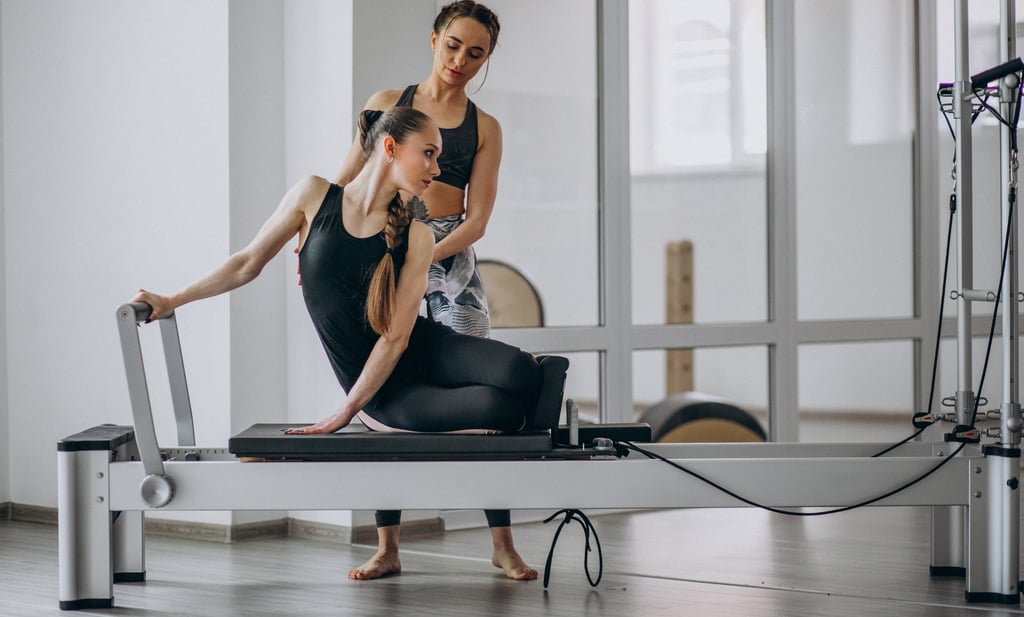
Introduction to Pilates and Weight Loss
Pilates has emerged as a prominent fitness discipline over recent years, gaining significant traction among individuals seeking to improve their physical fitness and, in many instances, achieve weight loss. Originating from the early 20th century, Pilates was developed by Joseph Pilates and focuses on enhancing core strength, flexibility, and overall body awareness. This method emphasizes controlled movements and proper breathing techniques, setting it apart from more traditional cardiovascular workouts.
The principles of Pilates are centered around stability, alignment, and integration of body and mind, which cultivates a balanced physique and supports overall wellbeing. Many practitioners appreciate its emphasis on low-impact exercise, making it accessible to a wide range of fitness enthusiasts, including those recovering from injuries or those who prefer a more moderate approach to fitness. However, while Pilates may augment weight loss efforts, it is essential to address the misconceptions surrounding its effectiveness as a standalone solution for fat loss.
Popular culture often presents Pilates as a miracle remedy for quick weight loss, yet this perception might be misleading. While it can contribute to muscle toning, flexibility enhancement, and improved posture, the actual fat-burning potential of Pilates is complex. It tends to focus more on building lean muscle mass, which plays a critical role in elevating the metabolism. Nevertheless, it is not necessarily sufficient for those specifically aiming to shed excess pounds. To optimize weight loss, Pilates should ideally be combined with other forms of cardiovascular exercise and a balanced diet.
How Pilates Works: Understanding the Basics
Pilates is a form of low-impact exercise that focuses on promoting strength, flexibility, and overall body awareness. Developed by Joseph Pilates in the early 20th century, it has gained popularity for its unique approach to fitness and rehabilitation. The fundamental principles of Pilates can be summarized into key tenets that enhance the exercise experience and results.
One of the central principles of Pilates is concentration. Participants are encouraged to develop a heightened awareness of their bodies and movements, which allows for better control and execution. This emphasis on mental focus extends to control, where each exercise requires precise movements executed with intent, thereby minimizing the risk of injury.
Centering is another pivotal aspect of Pilates. It refers to the idea of strengthening the core, which includes the abdominal muscles, lower back, hips, and pelvis. A strong core acts as the foundation for all movements, facilitating better posture and balance. As exercises are performed, practitioners engage multiple muscle groups, fostering an efficient workout that promotes fat loss over time.
Additionally, precision plays a critical role in Pilates routines. Each movement is designed to be executed with accuracy, which ensures that participants can maximize their efforts and avoid harmful compensations. Breath is also essential; coordinating breathing with movement enhances relaxation, improves oxygen flow, and aids in delivering energy to the muscles.
Finally, flow refers to the smooth transitions between movements in a Pilates session, creating a seamless workout experience. This encourages fluidity and rhythm, allowing the body to work more efficiently. The combination of these principles makes Pilates not just an effective, but also a holistic exercise regimen that can significantly contribute to a weight loss journey.
The Science Behind Fat Burning
Understanding the science of fat burning is crucial for anyone looking to manage their weight effectively. Fat metabolism occurs through a complex process where the body converts stored fat into energy. This process is primarily influenced by the caloric intake and the level of physical activity. A fundamental concept in fat loss is the calorie deficit, which occurs when the number of calories consumed is less than the number of calories burned. To achieve fat loss, the body relies on energy reserves, which demands the mobilization of stored fat.
During aerobic exercise, the body relies on oxygen to produce energy, leading to a more significant usage of fat stores. Activities such as running or cycling, which elevate the heart rate for an extended duration, predominantly utilize fat as a source of fuel. In contrast, anaerobic exercises, such as weight lifting or high-intensity interval training (HIIT), are characterized by short bursts of energy where carbohydrates are the preferred fuel source. Although anaerobic workouts are effective for building muscle mass and improving strength, their direct impact on fat burning in the short term can be less efficient compared to aerobic exercises.
While Pilates is often categorized as a form of flexibility and core strengthening exercise, it incorporates elements of both aerobic and anaerobic workouts, depending on the intensity and duration of the session. Though traditional cardio exercises may lead to quicker fat loss, Pilates encourages muscle engagement, which can contribute to a higher resting metabolic rate over time. This engagement may facilitate fat burning indirectly, especially when practiced regularly alongside a balanced diet and a caloric deficit.
Pilates vs. Traditional Cardio for Weight Loss
When it comes to weight loss, traditional forms of cardio such as running, cycling, and high-intensity interval training (HIIT) are often lauded for their effectiveness in burning calories. These exercises typically promote a high heart rate, which can result in significant calorie expenditure over time. For instance, running at a moderate pace can burn anywhere from 600 to 800 calories per hour, depending on a person’s weight and intensity level. Cycling also offers similar benefits, especially when performed as a HIIT workout.
On the other hand, Pilates, while primarily focused on strength, flexibility, and body awareness, may not seem as efficient at burning fat through calorie expenditure. A typical Pilates session can burn approximately 200 to 400 calories per hour. However, this method has its unique benefits that may contribute to overall weight loss. Pilates engages the core and builds muscles, which can increase resting metabolic rates and contribute to weight management over time.
Furthermore, Pilates emphasizes improved body alignment, balance, and posture, which can enhance performance in traditional cardio workouts. For those starting their fitness journey or recovering from injury, Pilates serves as a low-impact alternative, allowing individuals to build endurance and strength without the stress that high-impact activities may impart.
In terms of long-term weight management, incorporating Pilates can appear beneficial as it encourages consistency and addresses the body's functional strengths. While it may not burn as many calories per session as HIIT or running, its focus on muscle development can lead to sustainable weight loss. Thus, blending Pilates with traditional forms of cardio may provide a comprehensive approach to weight loss and fitness, catering to various needs and preferences while ultimately enhancing health.
Incorporating Pilates into a Weight Loss Regimen
Incorporating Pilates into a weight loss regimen can be an effective strategy to enhance overall fitness while promoting fat loss. To maximize results, it is essential to establish a consistent routine. Ideally, individuals should aim for Pilates classes at least two to three times per week. This frequency allows the body to adapt and progress through the various levels of difficulty in Pilates exercises.
Each Pilates session should ideally last between 45 to 60 minutes. This duration is sufficient to effectively engage the core muscles while also allowing for a comprehensive full-body workout. Beginners might choose shorter sessions or focus on foundational exercises before advancing to more challenging workouts. Adjusting the duration according to one's fitness level is crucial. Modifications are encouraged to ensure inclusivity and enhance individual participation, regardless of expertise.
To further amplify weight loss, combining Pilates with aerobic activities such as running, cycling, or swimming is highly recommended. Cardio exercises elevate heart rate and enhance caloric expenditure, thereby complementing the strength-building benefits of Pilates. This holistic approach allows individuals to experience a balanced fitness routine and fosters sustained weight loss.
Specific Pilates exercises can be particularly beneficial for targeting fat loss. Movements such as the ‘Hundred’, ‘Teaser’, and ‘Plank’ engage multiple muscle groups and encourage core stability. These exercises not only aid in toning muscles but also boost metabolism, contributing to effective fat burning. Moreover, incorporating props like resistance bands or stability balls can intensify workouts, providing additional challenges that further support weight loss goals.
Success Stories: Real Results from Pilates Practitioners
Many individuals have harnessed the power of Pilates to achieve significant weight loss and physical transformation. These success stories serve as a source of inspiration for those considering Pilates as part of their fitness journey. For instance, Sarah, a 34-year-old marketing professional, began practicing Pilates three times a week after struggling with her weight for years. Initially skeptical about its effectiveness, she was amazed to discover not only a **toned** physique but also increased core strength and improved posture. Over six months, Sarah lost 15 pounds and experienced enhanced flexibility that elevated her quality of life.
Another example is Mark, who turned to Pilates after being diagnosed with high blood pressure. He integrated Pilates classes into his routine, attending sessions twice a week. This practice not only assisted in shedding 20 pounds over a year, but it also contributed to better cardiovascular health. His experience highlights how Pilates can serve dual purposes — promoting weight loss while simultaneously improving overall wellness.
Success in Pilates is often attributed to the commitment and discipline of its practitioners. Emily, a full-time teacher, noted that while the physical results were remarkable, the mental clarity and stress relief provided by Pilates were equally beneficial. After dedicating six months to her routine, she reported a 10% weight reduction and stated, "Pilates transformed my mindset and body, making weight loss a sustainable journey rather than a temporary fix." Such stories emphasize that with consistent effort and a positive mindset, individuals can achieve their weight loss goals through Pilates.
In summary, the testimonials from Pilates practitioners underscore the importance of perseverance and dedication. These personal accounts demonstrate not only the transformative potential of Pilates for weight loss but also its holistic advantages, enriching the lives of those who engage with it regularly.
Conclusion: Is Pilates the Right Choice for You?
Throughout this blog post, we have explored the effectiveness of Pilates as a method for weight loss and fat burning. Pilates, with its focus on controlled movements and core strength, offers a unique approach to fitness that promotes both mental and physical well-being. While Pilates may not be the most traditional option for burning calories compared to high-intensity workouts, it still presents several benefits that should not be overlooked.
One of the most significant advantages of Pilates is its ability to improve flexibility, posture, and overall muscle tone. These elements are crucial, especially for individuals recovering from injuries or those who are new to exercise. Furthermore, Pilates encourages mindfulness and body awareness, which can enhance one’s relationship with physical activity and wellness overall.
In considering your fitness goals, it is essential to recognize that weight loss is not solely about calories burned during exercise. The supportive community and lower-impact nature of Pilates may appeal to many, helping them maintain consistency in their routine. This emphasis on sustainable practices can lead to long-term health benefits, possibly contributing to an overall reduction in body fat over time.
Ultimately, whether Pilates is the right choice for fat burning depends on individual preferences, fitness levels, and lifestyle. Those seeking to incorporate Pilates into their weight loss journey should view it as a complementary practice to other forms of exercise and healthy eating habits. By combining Pilates with additional cardio routines or strength training, individuals may find an effective pathway toward achieving their weight loss goals.
Ready to get on the mat?
Book your first visit and experience the space for yourself. We'll confirm within 24 hours, and your first class is 20% off.
Address
Book My First Visit
info@travelyoga.com.br
+1-555-123-4567
© 2026 Travel Yoga. All rights reserved. reserved.
Questions about the studio, the schedule, or your first visit? Reach out and we'll help you find the best place to begin.