Inside Our Studio | Yoga & Pilates Space in NY | Travel Yoga
Reformer vs. Mat Pilates: Which One Delivers Faster Results?
Pilates is a low-impact exercise method developed in the early 20th century by Joseph Pilates, aiming to improve physical strength, flexibility, and mental awareness. Originally conceived as a rehabilitation technique for injured soldiers, it has since evolved into a popular fitness regime utilized by people from various backgrounds and fitness levels. At its core, Pilates emphasizes controlled movements, proper body alignment, and focused breathing, making it an effective choice for enhancing overall health.
5/17/20267 min read
Introduction to Pilates: What You Need to Know
Pilates is a low-impact exercise method developed in the early 20th century by Joseph Pilates, aiming to improve physical strength, flexibility, and mental awareness. Originally conceived as a rehabilitation technique for injured soldiers, it has since evolved into a popular fitness regime utilized by people from various backgrounds and fitness levels. At its core, Pilates emphasizes controlled movements, proper body alignment, and focused breathing, making it an effective choice for enhancing overall health.
The principles of Pilates revolve around six key concepts: concentration, control, centering, flow, precision, and breathing. These elements work in harmony to develop core strength, improve body alignment, and promote better posture. By prioritizing the engagement of the core muscles, Pilates encourages a strong foundation for overall body stability, which is crucial in preventing injuries and achieving optimal physical performance.
One of the significant benefits of Pilates is its versatility, allowing practitioners to tailor their workouts to meet specific needs and goals. Whether one seeks to increase flexibility, build strength, or enhance overall fitness, Pilates accommodates these aspirations through tailored routines. Its low-impact nature is especially appealing to individuals recovering from injuries or those seeking a gentler approach to exercise.
The comparison between reformer Pilates and mat Pilates highlights unique factors in their respective approaches. While both forms share foundational principles, they utilize different equipment and styles, ultimately offering distinctive experiences to participants. Reformer Pilates involves specialized machines designed to provide resistance and support, while mat Pilates relies solely on body weight and the mat for resistance. Understanding these variations is essential when determining which method may yield faster results tailored to individual preferences.
Understanding Reformer Pilates
Reformer Pilates is a method of exercise that incorporates a specialized piece of equipment known as the reformer. The reformer machine consists of a moving platform, called the carriage, which glides on tracks, accompanied by adjustable springs that provide varying resistance levels. This unique design enhances traditional Pilates exercises, allowing for a diverse range of movements tailored to individual fitness levels and goals.
One of the key features of the reformer is its ability to offer resistance while also providing support and stability. Unlike mat Pilates, where individuals rely solely on their body weight, the reformer allows users to adjust the resistance according to their personal strength and experience. This aspect is particularly beneficial for beginners or those recovering from injuries, as they can engage in low-impact exercises that strengthen muscles without placing undue stress on the joints.
The reformer’s design also encourages proper form and alignment. The adjustable straps and foot bars guide users through movements, ensuring they maintain correct posture, which is crucial for maximizing the effectiveness of the exercises. Consequently, participants often find that reformer Pilates promotes not only muscular strength but also flexibility and balance. Another advantage of reformer Pilates is its versatility; the equipment can accommodate various body types and skill levels, allowing for a customized experience. Practitioners can modify exercises to tailor intensity, thereby ensuring that everyone can achieve their desired fitness results.
In addition to enhancing the overall workout experience, incorporating a reformer into Pilates classes can lead to faster results, as the use of equipment can intensify strength training while promoting better movement patterns.
Exploring Mat Pilates
Mat Pilates is a form of physical fitness that emphasizes core strength, flexibility, and overall body awareness using a specialized mat instead of equipment-based machinery. This practice primarily focuses on exercises that utilize body weight for resistance, allowing for a versatile workout that can be tailored to different fitness levels.
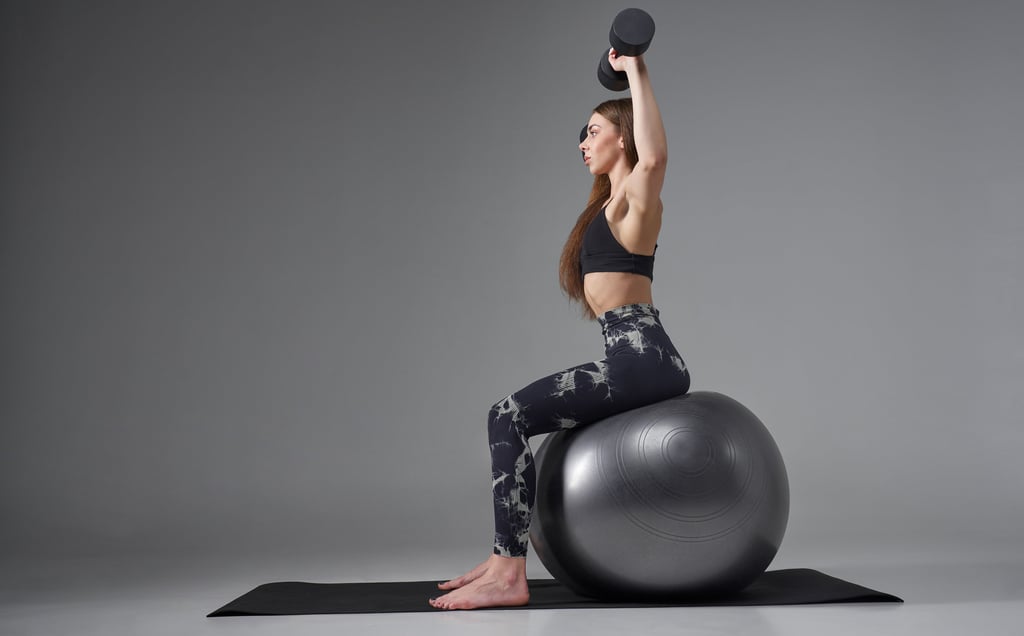
In a typical mat Pilates class, participants engage in a series of controlled movements that enhance muscle awareness and support postural alignment. Each exercise is designed to challenge the body while ensuring safety and effectiveness. The use of grips, such as stability balls or resistance bands, further aids in developing strength and coordination, even when performed purely on a mat. As such, the material and texture of the mat are pivotal, providing necessary support and cushioning for various movements.
One of the key advantages of mat Pilates is its accessibility. Classes may often be found in gyms, fitness studios, and even community centers, making it a convenient option for many individuals. Moreover, with no elaborate machinery required, practicing mat Pilates at home is also feasible, allowing enthusiasts to maintain their routine regardless of external circumstances. This convenience enhances the overall appeal of this form of exercise.
The versatility of mat Pilates is notable as it accommodates various fitness goals. Whether an individual is seeking to improve athletic performance, recover from an injury, or simply enhance their overall physical conditioning, mat Pilates offers exercises that can benefit a broad range of participants. With its emphasis on controlled, low-impact movements, it is suitable for all ages and fitness levels.
Efficacy of Reformer vs. Mat Pilates
When evaluating the efficacy of reformer versus mat Pilates, several factors come into play that significantly influence the outcomes of each method based on specific fitness goals. Reformer Pilates employs a machine that adds resistance and supports the body, allowing for enhanced muscle engagement. This added resistance can lead to faster improvements in strength and control compared to mat Pilates, which primarily relies on body weight for resistance.
The variety of exercises available on the reformer is another crucial aspect. The reformer allows for a broader range of movements, including those targeting more muscle groups simultaneously. This not only aids in muscle endurance but also promotes flexibility and overall body alignment. On the other hand, mat Pilates emphasizes core strength and stability, providing great benefits for individuals looking to improve their fundamental strength and posture.
Instructor guidance is essential in both forms of Pilates, but the reformer's precise apparatus may facilitate more tailored feedback. A skilled instructor can help students adjust their techniques more effectively on a reformer, ensuring that exercises are performed with optimal form, which can lead to swifter results. Furthermore, reformer Pilates can be easily adapted for individuals at different fitness levels, accommodating beginners and advanced practitioners alike. While mat Pilates can also be modified, the variety and safety offered by the reformer may result in quicker adaptations and improvements.
In sum, while mat Pilates focuses on core stabilization and is excellent for developing body awareness, the reformer's ability to engage multiple muscle groups with resistance potentially leads to faster and more visible results. Therefore, personal fitness goals should ultimately guide the decision between these two popular methods.
Personalization and Accessibility of Workouts
When distinguishing between reformer and mat Pilates, it is critical to recognize how each modality approaches personalization and accessibility. Both forms of Pilates are designed to cater to varying fitness levels and individual goals, ensuring that practitioners can engage safely and effectively, whether they are beginners or advanced.
Mat Pilates, performed on a mat, employs body weight for resistance and can be easily modified to fit different skill levels. For beginners, foundational exercises focus on core stability and body alignment, emphasizing essential principles and techniques without the intimidation factor of equipment. As practitioners advance, they can transition into more challenging exercises that demand greater strength and control, allowing them to see gradual improvement in their abilities. Additionally, mat Pilates accommodates those with injuries, providing options to tweak movements and avoid exacerbation of any existing conditions.
In contrast, reformer Pilates utilizes a machine that incorporates springs for varied resistance, making it a versatile option for tailoring workouts to meet specific needs. The reformer allows for adjustments in resistance levels, which can be crucial for individuals with differing strength capacities or rehabilitation needs. This level of customization enables instructors to guide sessions that intricately align with each practitioner's capabilities and objectives. Furthermore, reformer classes often create a more structured environment, which can instill confidence and motivation in newcomers. Therefore, whether opting for mat or reformer Pilates, both methods place a strong emphasis on accessibility and personalized attention, making it feasible for anyone committed to their fitness journey.
Real-life Testimonials: Experiences of Practitioners
Many individuals have embarked on their Pilates journey, often experimenting with both reformer and mat Pilates. Their experiences reveal a variety of insights regarding the effectiveness and personal preferences associated with each method. For instance, Jane, a fitness enthusiast, shared her initial hesitation in trying reformer Pilates. After a few sessions, she noted significant improvements in her core strength and body alignment. Jane stated, "The reformer method provided me with instant feedback on my form, which was incredibly beneficial for my progress. My instructor's guidance combined with the equipment made each workout more impactful."
Contrastingly, Mark, a dedicated mat Pilates practitioner, voiced his satisfaction with the traditional mat approach. He appreciated how mat Pilates encouraged him to connect more deeply with his body and to understand the fundamentals of Pilates. He remarked, "Mat Pilates emphasizes body awareness. I found it helped me develop a better sense of balance and control without relying on equipment. It's truly liberating to rely solely on my body weight." This sentiment is echoed by numerous practitioners who enjoy the convenience of mat Pilates, which can be done virtually anywhere.
Moreover, Sophie, a yoga instructor, integrated both practices into her routine and noticed distinct benefits from each. She disclosed, "Reformer Pilates has been a game-changer for rehabilitating an injury I sustained while teaching. On the other hand, mat Pilates enhances my flexibility and allows for more creative movements. Each discipline complements the other wonderfully." These testimonials highlight the nuanced experiences of practitioners, underscoring that the effectiveness of either approach can significantly vary depending on individual goals, preferences, and fitness levels. Ultimately, the choice between reformer and mat Pilates is highly personal, influenced by the unique outcomes and connections each practitioner experiences.
Conclusion: Making the Right Choice for You
In evaluating the distinctions between reformer and mat Pilates, it is clear that both approaches serve unique purposes tailored to different preferences and fitness objectives. Reformer Pilates, with its specialized equipment, offers a dynamic platform that enhances resistance training. This can lead to faster muscle development and adaptability in movements, which some practitioners may find beneficial, particularly for strength building and rehabilitation purposes.
On the other hand, mat Pilates focuses on body weight exercises that emphasize core strength, flexibility, and posture. It provides an accessible entry point for those new to Pilates, requiring no special equipment aside from a mat. This aspect can be appealing for individuals seeking a low-cost, versatile workout that can be performed in various settings, including at home or in group classes.
When choosing between the two methods, individuals should consider their personal fitness goals, lifestyle, and preferences. For those looking to develop a strong foundation and experience the benefits of flexibility and core stability, mat Pilates may be more suitable. Conversely, individuals targeting specific strength enhancements or who enjoy a more structured approach may gravitate towards reformer Pilates.
Ultimately, both reformer and mat Pilates can contribute to improved overall wellness. It may even be beneficial to explore both modalities to ascertain which aligns best with individual needs. Each method presents unique advantages; by experiencing both, practitioners can further tailor their fitness journey to suit their aspirations and lifestyle, ensuring a comprehensive approach to health and fitness.
Ready to get on the mat?
Book your first visit and experience the space for yourself. We'll confirm within 24 hours, and your first class is 20% off.
Address
Book My First Visit
info@travelyoga.com.br
+1-555-123-4567
© 2026 Travel Yoga. All rights reserved. reserved.
Questions about the studio, the schedule, or your first visit? Reach out and we'll help you find the best place to begin.