Inside Our Studio | Yoga & Pilates Space in NY | Travel Yoga
Pilates for Beginners at Home: 10-Minute Daily Routine That Works
Pilates is a form of low-impact exercise designed to strengthen muscles while improving postural alignment and flexibility. Developed by Joseph Pilates in the early 20th century, this exercise method has evolved to become a popular practice worldwide, known for its versatility and adaptability. Originally conceived as a rehabilitation approach for injured veterans during World War I, Pilates emphasizes core strength, precision, and controlled movement, which has made it an attractive option for individuals across various fitness levels.
5/17/20267 min read
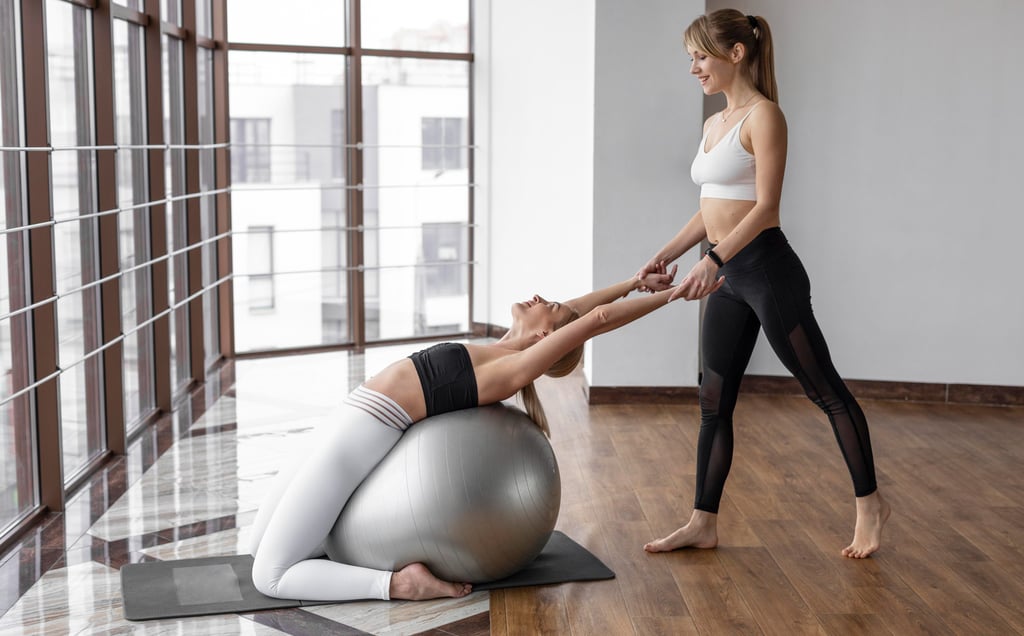
Introduction to Pilates
Pilates is a form of low-impact exercise designed to strengthen muscles while improving postural alignment and flexibility. Developed by Joseph Pilates in the early 20th century, this exercise method has evolved to become a popular practice worldwide, known for its versatility and adaptability. Originally conceived as a rehabilitation approach for injured veterans during World War I, Pilates emphasizes core strength, precision, and controlled movement, which has made it an attractive option for individuals across various fitness levels.
The core principles of Pilates revolve around concentration, control, centering, flow, precision, and breathing. Concentration is essential as it encourages practitioners to direct their focus on specific body movements, while control ensures that each exercise is performed with intention and proper technique. Centering refers to engaging the core muscles, which form the foundation of many movements in Pilates. Flow and precision help in executing transitions smoothly and maintaining the integrity of each position. Lastly, breathing is integral to the practice, as it encourages relaxation and enhances performance during exercises.
A significant appeal of Pilates is its accessibility, allowing individuals to practice in the comfort of their homes with little to no equipment. This makes it an excellent choice for beginners who may feel intimidated by more vigorous workout routines. Through regular practice, Pilates can provide substantial benefits such as improved flexibility, enhanced muscular strength, and better posture. Furthermore, individuals who engage in Pilates often report increased body awareness and an overall sense of well-being, making it a holistic approach to fitness that caters to both beginners and seasoned practitioners alike.
The Benefits of Pilates for Beginners
Pilates has increasingly gained popularity as an effective exercise modality for individuals of all fitness levels, especially beginners. One of the foremost advantages of Pilates is its focus on core strength. The core, which encompasses muscles in the abdomen, back, and pelvic region, is integral to maintaining bodily stability and support. Developing a strong core can help alleviate back pain and improve overall body mechanics, resulting in enhanced movement efficiency in daily activities.
In addition to core strength, Pilates significantly contributes to improved balance and posture. Many beginners find that regular practice fosters greater awareness of their body alignment. This heightened mindfulness enables them to recognize and correct postural imbalances, which can lead to reduced muscle tension and discomfort. Furthermore, improved balance plays a crucial role in preventing injuries, particularly as individuals grow older and may face stability challenges.
Beyond the physical benefits, Pilates offers notable mental advantages as well. Engaging in mindful movements encourages a focused mindset that promotes stress relief and relaxation. The combination of deep breathing and controlled movements cultivates a sense of calm, making Pilates an effective tool for managing the stresses of daily life. Many beginners report an increase in mental clarity and emotional well-being as they incorporate Pilates into their routines.
By establishing a Pilates practice at home, beginners can seamlessly integrate these physical and mental benefits into their daily lives. Improved core strength, balanced posture, and reduced stress not only enhance the exercise experience but also contribute to long-term health and wellness. Thus, Pilates serves as a potent ally in helping individuals embark on their fitness journeys, fostering a holistic approach to well-being.
Preparing Your Space for a Pilates Routine
Establishing a well-organized and inviting space for your Pilates practice at home is crucial for maximizing the effectiveness of your workout. A dedicated area that is free from distractions can significantly enhance your focus, allowing you to fully immerse yourself in your Pilates routine. Begin by choosing a location with adequate space, preferably somewhere that allows you to stretch out comfortably and move freely.
Investing in essential equipment can greatly benefit your home practice. A quality Pilates mat is fundamental, as it provides cushioning and support during your exercises. Depending on your fitness goals, you may also consider incorporating resistance bands or small weights. These tools will enrich your workout and help to engage different muscle groups effectively. Ensure that your equipment is easily accessible, so you can transition smoothly between exercises.
Next, take the time to cultivate a calming atmosphere. Adjust your lighting to create a soft, peaceful ambiance. Natural light can be revitalizing, but consider using lamps or dimmer switches to soften harsh overhead lighting. Additionally, playing soothing music can enhance your mood and motivate you as you move through your routine. A carefully curated playlist that aligns with your practice can make each session enjoyable and invigorating.
Lastly, maintaining a tidy workout space is integral to a successful Pilates session. Clear away any clutter and ensure that your environment remains orderly. This proactive approach not only aids in focus but also communicates to your mind that it is time to engage in physical activity. By investing thought and effort into preparing your space, you will create an optimal environment that supports your daily Pilates routine.
Essential Pilates Principles and Techniques
Pilates, a mind-body exercise method, is built on several fundamental principles and techniques that are crucial for beginners to understand. These principles not only enhance the effectiveness of the exercises but also ensure safety and proper execution. The first principle is proper breathing, which plays a vital role in Pilates. By using deep, controlled breathing, practitioners enhance their lung capacity while also promoting relaxation and focus. It is essential that beginners learn to synchronize their movements with their breath, facilitating a smooth flow during their routine.
Another key principle is alignment. This involves maintaining the correct positioning of the body throughout the movements, which is critical to minimizing the risk of injury. Beginners should focus on aligning their spine and pelvis correctly, as this foundational alignment helps enable more effective movement patterns and enhances overall strength.
Control is also an integral aspect of Pilates. Each movement should be deliberate and precise, rather than rushed or uncontrolled. This emphasis on control encourages a deeper engagement of the muscles and fosters greater body awareness. As a beginner, paying attention to how each exercise feels and ensuring that movements are executed with intention is paramount.
Lastly, concentration is a fundamental principle in Pilates practice. This involves focusing the mind on the movements, which not only helps in executing them effectively but also enhances the overall mind-body connection. By cultivating concentration, beginners can improve their execution and gain more from each Pilates session.
Understanding and integrating these principles—proper breathing, alignment, control, and concentration—will provide beginners with a strong foundation for their Pilates journey. Mastery of these techniques is essential for enhancing subsequent practice, ensuring that each session is both effective and safe.
The 10-Minute Daily Pilates Routine
Engaging in a daily Pilates routine can greatly enhance flexibility, core strength, and overall posture. Below is a concise, 10-minute routine designed specifically for beginners. This routine includes warm-up, main exercises, and a cooldown. Each exercise is described with its target muscle groups, along with modifications for different skill levels.
Warm-Up (2 minutes): Start with deep breathing and gentle stretches to prepare your body. Stand tall, inhale to raise your arms overhead, and exhale while gently bending forward to touch your toes. Engage in this motion for roughly 2 rounds, focusing on lengthening your spine and relaxing your muscles.
1. The Hundred (2 minutes): Sit with your knees bent and feet on the floor. Roll down onto your back, and lift your legs to a tabletop position. With arms at your sides, pulse your arms up and down while inhaling for 5 counts and exhaling for 5 counts. Repeat this until you reach 100 counts. This exercise primarily targets the abdominal muscles.
2. Roll-Up (2 minutes): Begin lying flat on your back with arms extended overhead. Inhale, and as you exhale, pull your torso up into a sitting position while reaching for your toes. Roll back down slowly with control. This movement strengthens the abdominals and improves flexibility in the spine.
3. Leg Circles (2 minutes): Lying on your back again, extend one leg towards the ceiling while the other remains flat on the ground. Move the extended leg in small circles, ensuring to keep your hips stable. Switch legs after 30 seconds. This focuses on hip mobility and core stability.
Cooldown (2 minutes): To finish, lie flat and gently hug your knees to your chest for a deep stretch. After a few breaths, extend your legs and relax your arms by your sides. Focus on your breath to promote relaxation and recovery, closing your session mindfully.
By following this 10-minute routine consistently, beginners will progressively notice increased strength and flexibility. Remember, modifications are always available, including bending your knees in exercises or adjusting the depth of movements as needed.
Tips for Maintaining Consistency with Your Routine
Starting a Pilates routine at home can be both exciting and challenging for beginners. To maintain consistency, it is crucial to set realistic goals that align with your fitness level and lifestyle. Instead of aiming for an overwhelming six-day-a-week commitment, consider beginning with just two to three sessions per week. This approach allows you to gradually adapt to the practice without feeling overwhelmed.
Tracking your progress can significantly enhance your motivation. Keep a journal or use a mobile app to record your workouts, noting the number of repetitions, duration, and any improvements you notice over time. By seeing your progress, whether it be increased flexibility or better core strength, you create a positive feedback loop that encourages you to stick with your routine.
Incorporating Pilates into your daily life can also help with consistency. Set a dedicated time for your practice, ideally when you feel most energized—this could be early morning or after work. Use reminders on your phone or set alarms to prompt you to start. Creating a designated space for your Pilates practice can further solidify exercise as part of your daily routine. A calm, uncluttered area equipped with your mat and any props will provide an inviting atmosphere.
Moreover, finding community support can greatly enhance your Pilates journey. Whether through local classes or online platforms, connecting with others who share similar goals can foster encouragement and accountability. Joining online forums or social media groups dedicated to Pilates beginners can provide insights, tips, and a sense of camaraderie, making your practice more enjoyable and motivating.
Conclusion and Next Steps
In conclusion, embarking on a Pilates journey at home offers both accessibility and flexibility, making it an excellent option for beginners. The 10-minute daily routine outlined in this post demonstrates that anyone can start practicing Pilates without needing extensive equipment or prior experience. The fundamental principles of Pilates focus on core strength, flexibility, and mindfulness, all of which can be cultivated within a short and manageable timeframe.
As you reflect on the key takeaways, consider how incorporating this routine into your daily life can lead to improved physical and mental well-being. Whether you choose to extend the duration of your practice or explore different variations, always remember that progression is a personal journey. With consistent effort, you may find yourself ready to transition into more advanced Pilates exercises or classes, further deepening your understanding and skills.
We encourage you to continue exploring and experimenting with your Pilates practice. Share your experiences with friends or on social media, possibly inspiring others to join you in this beneficial activity. Additionally, numerous resources, including videos, books, and local classes, are available to assist you in furthering your Pilates knowledge and techniques. Engaging with these materials can enhance your understanding and keep your routine fresh and motivating. Take that next step, and embrace the journey of fitness and wellness through Pilates!
Ready to get on the mat?
Book your first visit and experience the space for yourself. We'll confirm within 24 hours, and your first class is 20% off.
Address
Book My First Visit
info@travelyoga.com.br
+1-555-123-4567
© 2026 Travel Yoga. All rights reserved. reserved.
Questions about the studio, the schedule, or your first visit? Reach out and we'll help you find the best place to begin.