Inside Our Studio | Yoga & Pilates Space in NY | Travel Yoga
Yoga Nidra: The Ancient Sleep Technique That's Going Viral on TikTok
Yoga Nidra, often referred to as "yogic sleep," is a state of conscious relaxation that has its roots in ancient Indian philosophy, primarily derived from the teachings of the Upanishads. Unlike regular sleep, where the mind and body experience unconsciousness, Yoga Nidra is a guided practice that allows individuals to enter a state of deep relaxation while maintaining a degree of awareness. This unique practice contrasts with conventional sleep in that practitioners are consciously engaged in a meditative state.
5/8/20264 min read
What is Yoga Nidra?
Yoga Nidra, often referred to as "yogic sleep," is a state of conscious relaxation that has its roots in ancient Indian philosophy, primarily derived from the teachings of the Upanishads. Unlike regular sleep, where the mind and body experience unconsciousness, Yoga Nidra is a guided practice that allows individuals to enter a state of deep relaxation while maintaining a degree of awareness. This unique practice contrasts with conventional sleep in that practitioners are consciously engaged in a meditative state.
The principles of Yoga Nidra involve various stages that facilitate physical, mental, and emotional relaxation. The practice typically begins with the setting of an intention, known as "Sankalpa," which serves as a guiding focus throughout the session. Subsequently, practitioners move through progressive relaxation, systematically releasing tension from different parts of the body. This stage is essential for entering deeper states of awareness and relaxation.
One of the key elements of Yoga Nidra is its reliance on guided meditation. Instructors lead participants through a series of visualizations and body scan techniques, which further amplify the depth of relaxation achieved. These practices not only allow for relaxation but also enhance the individual's awareness, bridging the gap between the conscious and subconscious mind. Rather than simply falling asleep, individuals are encouraged to recognize their thoughts and emotions without attachment, fostering a sense of inner peace.
Through its structured approach, Yoga Nidra acts as a transformative practice, offering individuals profound benefits such as stress reduction, improved sleep quality, and a greater connection to their inner selves. As interest in mindfulness and relaxation techniques continues to rise, Yoga Nidra has gained prominence, leading many to explore this ancient technique as a vital tool for achieving balance in a fast-paced world.
The Science Behind Yoga Nidra
Yoga Nidra, often referred to as yogic sleep, is gaining traction not only among practitioners but also within the realm of scientific research. An increasing number of studies are investigating its multitude of benefits, particularly related to mental health, stress relief, and enhanced sleep quality. Researchers have observed that during a Yoga Nidra session, the body undergoes unique physiological changes that promote profound relaxation and restorative sleep.
One significant area of research focuses on brainwave patterns during Yoga Nidra. Studies utilizing electroencephalogram (EEG) technology have shown a shift from the active beta waves associated with wakefulness to the more tranquil theta and delta waves connected to deep relaxation and sleep. This transition indicates that Yoga Nidra may facilitate a state similar to sleep, allowing the practitioner to experience deeper mental and emotional healing without the full effects of traditional sleep.
In relation to mental health, numerous clinical trials highlight the efficacy of Yoga Nidra in reducing symptoms of anxiety and depression. One meta-analysis discovered that participants experienced significant reductions in anxiety levels following regular sessions of Yoga Nidra, making it a potential adjunctive treatment for mood-related disorders. Furthermore, Yoga Nidra has been found to decrease cortisol levels, a key hormone involved in the stress response. Lower cortisol levels contribute to improved overall well-being and can aid individuals struggling with stress-related conditions.
Moreover, the sleep-enhancing qualities of Yoga Nidra cannot be overlooked. Research indicates that those who practice Yoga Nidra regularly report better sleep quality and are less likely to experience insomnia. By promoting relaxation and reducing tension, Yoga Nidra allows individuals to achieve a restful state that is conducive to restorative sleep.
How to Practice Yoga Nidra
Practicing Yoga Nidra, often referred to as yogic sleep, can be a transformative experience that promotes deep relaxation and mindfulness. To begin, it's essential to set up a comfortable space that is free from distractions. Choose a quiet room where you can lay down flat, using a yoga mat or blankets for additional comfort. Ensure the temperature is conducive to relaxation, and dim the lights to create a soothing atmosphere.
Next, finding a guided Yoga Nidra recording can significantly enhance your practice, especially for beginners. Various online platforms, including meditation apps and YouTube, provide guided sessions that instruct you on practice. Look for recordings that resonate with you, focusing on those with a soothing voice and calm background music.
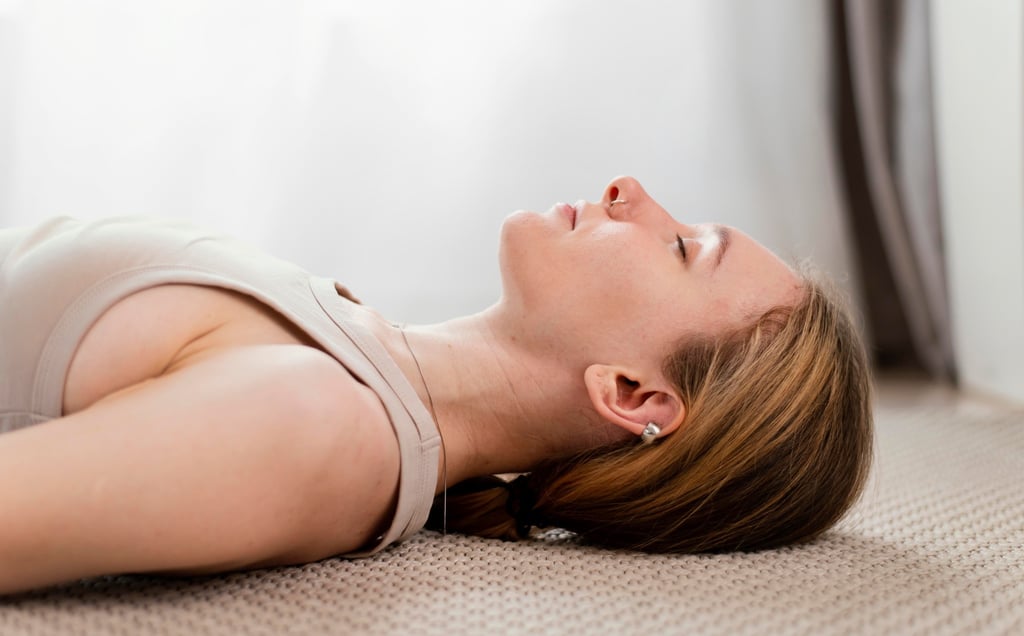
During the Yoga Nidra session, it is crucial to follow specific techniques that aid in achieving a state of deep relaxation. Begin by lying comfortably on your back with your arms extended slightly away from your body and your palms facing upward. Close your eyes and take a few moments to notice your breath, allowing yourself to sink deeper into relaxation with each exhalation. Gradually, you can start practicing body awareness, where you mentally scan through each part of the body, consciously relaxing any tension you may feel.
Common misconceptions about Yoga Nidra often revolve around its effectiveness. Some may believe it is merely a guided nap, but in reality, it is a practice that encourages awareness and deeper introspection. It is essential to acknowledge this potential to avoid discouragement. If challenges arise, such as a wandering mind or discomfort, gently return your focus to your breath or the instructor’s voice. Acknowledging these distractions without judgment is a crucial aspect of your Yoga Nidra journey.
The Growing Popularity of Yoga Nidra on TikTok
In recent months, Yoga Nidra has gained considerable traction on TikTok, transforming from a lesser-known meditation technique to a viral wellness phenomenon. Content creators on the platform have embraced this ancient practice, often sharing short, engaging videos that explain its benefits, demonstrate techniques, or guide users through sessions. This trend highlights not only the rise of new wellness practices within social media circles but also the changing landscape of mental health awareness.
Users share their personal experiences with Yoga Nidra, emphasizing its potential for promoting relaxation and stress relief. The soothing nature of these videos resonates with individuals seeking solace amid the hustle and bustle of daily life. Hashtags such as #YogaNidra and #SleepMeditation are seeing thousands of uses, allowing users to swap tips, share guided sessions, and cultivate a sense of community centered around mindfulness and self-care.
Moreover, TikTok's algorithm amplifies content that garners higher engagement, enabling Yoga Nidra creators to reach broader audiences. This organic promotion is creating a virtuous cycle; as more individuals discover the practice, engagement leads to further opportunities for education and exploration of Yoga Nidra. Such trends also impact public perceptions of wellness practices, making them more approachable and relatable for younger demographics who may not have previously explored traditional forms of meditation.
The implications of this trend extend beyond mere social sharing. The popularity of Yoga Nidra on TikTok could potentially enhance mental health awareness and self-care practices among users. As people turn to these resources, they may find valuable tools for managing anxiety, enhancing sleep quality, and promoting emotional well-being in a fast-paced world.
Ready to get on the mat?
Book your first visit and experience the space for yourself. We'll confirm within 24 hours, and your first class is 20% off.
Address
Book My First Visit
info@travelyoga.com.br
+1-555-123-4567
© 2026 Travel Yoga. All rights reserved. reserved.
Questions about the studio, the schedule, or your first visit? Reach out and we'll help you find the best place to begin.