Inside Our Studio | Yoga & Pilates Space in NY | Travel Yoga
Navigating Interpersonal Boundaries Through Yoga
Interpersonal boundaries are essential aspects of our relationships that define how we interact with others. They encompass physical, emotional, and mental limits that each person sets to maintain their individuality and integrity. In the realm of yoga, understanding and respecting these boundaries can lead to enhanced personal well-being and healthier relationships.
1/3/20262 min read
Understanding Interpersonal Boundaries
Interpersonal boundaries are essential aspects of our relationships that define how we interact with others. They encompass physical, emotional, and mental limits that each person sets to maintain their individuality and integrity. In the realm of yoga, understanding and respecting these boundaries can lead to enhanced personal well-being and healthier relationships.
The Role of Yoga in Boundary Setting
Yoga is not merely a physical practice; it is a holistic approach that encourages self-awareness and introspection. Through mindful movements and breath control, practitioners develop a deeper understanding of their physical and emotional limits. This awareness is crucial for establishing boundaries, as it enables individuals to recognize when they feel comfortable or uncomfortable in various situations. Yoga empowers individuals to communicate their needs effectively, creating a safe space for themselves and others.
Practical Application of Yoga for Healthy Boundaries
Integrating yoga into your daily routine can enhance your ability to assert and respect interpersonal boundaries. Here are a few practical strategies to consider:
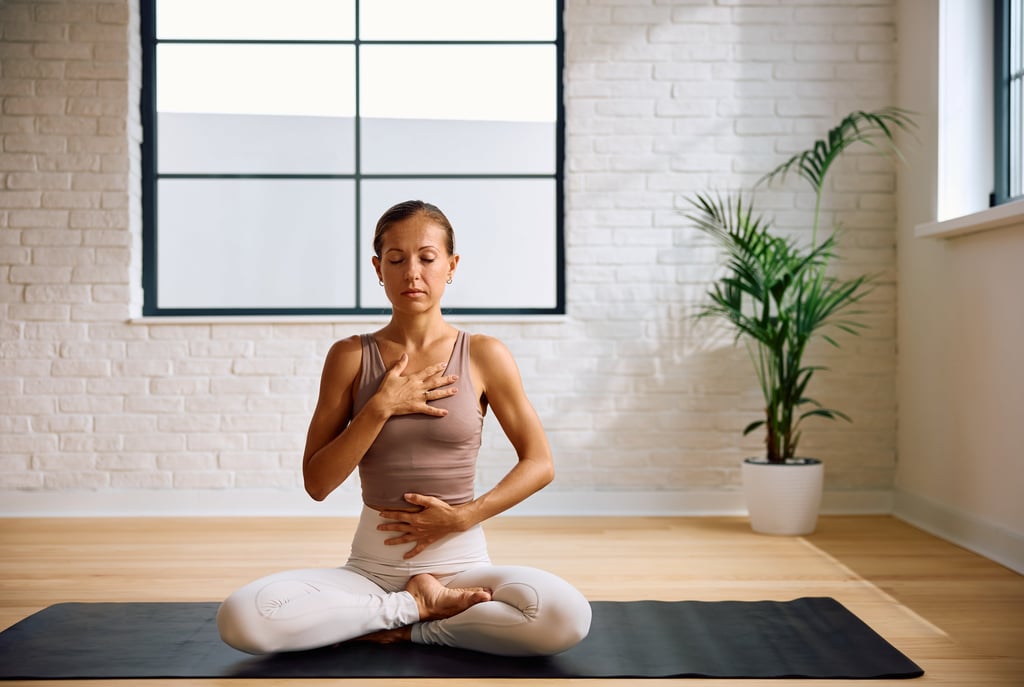
Mindful Breathing: Begin each yoga session with mindful breathing exercises. This practice helps ground you and promotes a state of calmness, allowing for clearer communication of your boundaries.
Asana Practice: Engage in yoga poses that emphasize openness and balance, such as Warrior II or Tree Pose. These positions not only strengthen your body but also boost your confidence, enabling you to express your boundaries more effectively.
Reflection: After each session, take time to reflect on how your practice makes you feel. Journaling can help clarify your thoughts on what boundaries you need to establish in your relationships.
By consciously applying these techniques, you can cultivate a more profound sense of self and become more adept at navigating interpersonal dynamics.
Connecting Yoga Philosophy to Boundaries
The philosophy of yoga, rooted in ancient teachings, encourages us to live harmoniously with ourselves and others. Concepts such as Ahimsa (non-violence) and Santosha (contentment) remind us that respecting our own boundaries as well as those of others is fundamental to fostering healthy relationships. These principles can guide us in creating environments that support both personal growth and collective well-being.
Conclusion: Embracing Boundaries through Yoga
In conclusion, yoga serves as a powerful tool in recognizing, establishing, and respecting interpersonal boundaries. By enhancing self-awareness and fostering clarity, yoga can help individuals interact with others in more meaningful ways. As you continue your yoga journey, remember that defining your boundaries is not just a personal necessity; it is also an act of respect towards those you engage with. Embrace this essential aspect of your practice and witness the transformative impact it can have on your relationships.
Ready to get on the mat?
Book your first visit and experience the space for yourself. We'll confirm within 24 hours, and your first class is 20% off.
Address
Book My First Visit
info@travelyoga.com.br
+1-555-123-4567
© 2026 Travel Yoga. All rights reserved. reserved.
Questions about the studio, the schedule, or your first visit? Reach out and we'll help you find the best place to begin.