Inside Our Studio | Yoga & Pilates Space in NY | Travel Yoga
Unlocking the Power of Pranayama: A Journey to Inner Peace
Pranayama, deriving from the ancient Indian practice of yoga, is often defined as the regulation of breath. The term itself is a combination of two Sanskrit words: "prana," meaning life force or vital energy, and "ayama," meaning control or extension. Thus, Pranayama translates to the control of life force, signifying its importance in attaining physical, mental, and spiritual wellness.
1/30/20262 min read
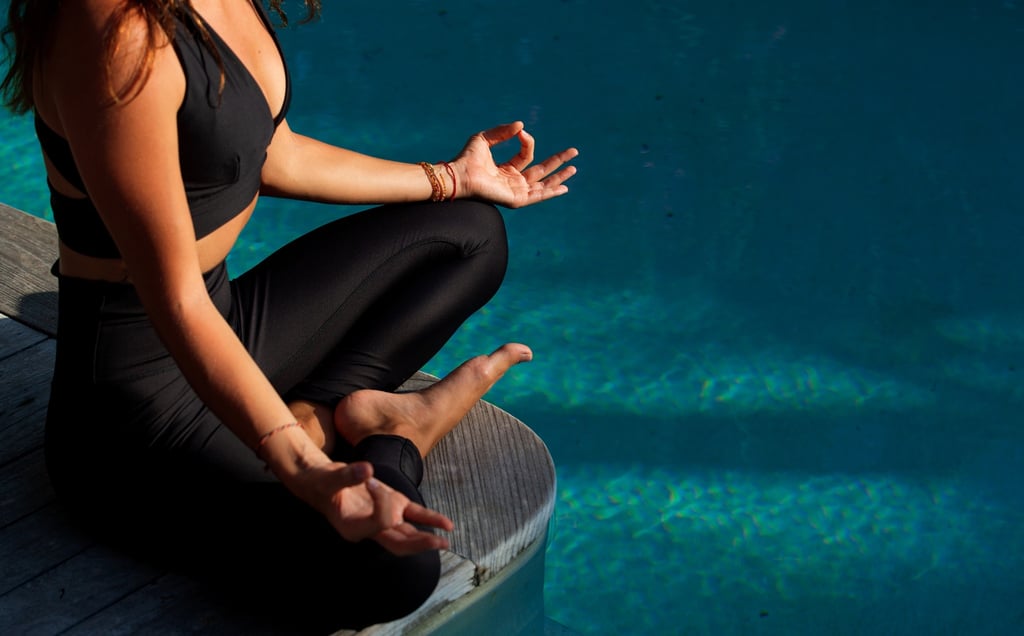
Understanding Pranayama
Pranayama, deriving from the ancient Indian practice of yoga, is often defined as the regulation of breath. The term itself is a combination of two Sanskrit words: "prana," meaning life force or vital energy, and "ayama," meaning control or extension. Thus, Pranayama translates to the control of life force, signifying its importance in attaining physical, mental, and spiritual wellness.
The Science and Philosophy Behind Pranayama
Incorporating Pranayama into your daily routine can serve as a gateway to deeper self-awareness. Scientifically, studies indicate that controlled breathing exercises can lower blood pressure, reduce stress levels, and improve overall mental clarity. The practice of Pranayama engages the diaphragm and helps enhance lung capacity. Moreover, it fosters a greater connection between the body and mind, reminiscent of the philosophical teachings rooted in yogic traditions.
Pranayama Techniques for Beginners
Starting with simple Pranayama techniques can be beneficial for those new to the practice. The following exercises are approachable and can be performed in various settings:
Nadi Shodhana (Alternate Nostril Breathing): This technique calms the mind and balances energy. Begin by sitting comfortably, place your right hand's thumb over the right nostril, and inhale through the left nostril. Switch and exhale through the right nostril. Repeat for several rounds.
Ujjayi (Victorious Breath): This method encourages deep breathing, often practiced during yoga asanas. Inhale deeply through your nose, constricting the throat slightly to create a gentle sound, almost like ocean waves. Exhale the same way.
Kapalabhati (Skull-Shining Breath): This invigorating exercise involves forceful exhalations followed by passive inhalations. Sit straight, take a deep breath, and then forcefully exhale while contracting the abdominal muscles. This practice energizes both the body and mind.
To fully immerse yourself in these techniques, consider engaging in regular practice, as consistency is key in harnessing the benefits of Pranayama.
Integrating Pranayama into Daily Life
Incorporating Pranayama into your daily life can be transformative. Whether it's dedicating a few minutes each morning to practice or using Pranayama techniques to ease anxiety during stressful moments, these exercises serve as powerful tools for enhancing emotional and physical well-being. You might also explore integrating Pranayama with meditation for a deeper experience of inner peace. As you embrace these breathing techniques, you will likely find a natural shift towards mindfulness, creating space for gratitude and joy in your daily routine.
Ultimately, by embracing the art of Pranayama, you embark on a journey toward a more centered, balanced, and peaceful existence.
Ready to get on the mat?
Book your first visit and experience the space for yourself. We'll confirm within 24 hours, and your first class is 20% off.
Address
Book My First Visit
info@travelyoga.com.br
+1-555-123-4567
© 2026 Travel Yoga. All rights reserved. reserved.
Questions about the studio, the schedule, or your first visit? Reach out and we'll help you find the best place to begin.