Explore the Travel Yoga Library
Online courses, ebooks, and guided practices... created for your own pace.
Online courses, ebooks, and guided practices—created for your own pace.

Bedtime Yoga: 10 Minutes to Unwind
Bedtime yoga is a mindful practice designed to wind down the day, promoting relaxation and serenity before sleep. Unlike more vigorous forms of yoga, bedtime yoga focuses on gentle stretches and calming techniques that encourage the body and mind to release accumulated tension. This practice helps individuals transition from the hustle and bustle of daily life to a more tranquil state, ultimately paving the way for improved sleep quality.
7/26/20267 min read

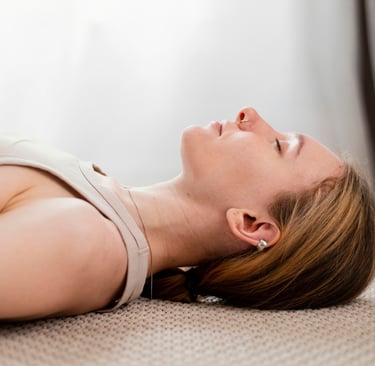
Introduction to Bedtime Yoga
Bedtime yoga is a mindful practice designed to wind down the day, promoting relaxation and serenity before sleep. Unlike more vigorous forms of yoga, bedtime yoga focuses on gentle stretches and calming techniques that encourage the body and mind to release accumulated tension. This practice helps individuals transition from the hustle and bustle of daily life to a more tranquil state, ultimately paving the way for improved sleep quality.
The primary purpose of bedtime yoga is to alleviate stress, a common barrier preventing many individuals from achieving restorative sleep. Engaging in a consistent nightly routine that incorporates yoga postures and breathing exercises can lead to significant reductions in anxiety levels. As a result, the mind becomes less cluttered, making it easier to relax as one prepares for sleep.
Furthermore, incorporating yoga into your nighttime routine can enhance the body’s natural ability to fall asleep. Gentle poses, such as Child’s Pose or Legs-Up-The-Wall, help alleviate physical discomfort while promoting a sense of calm. These positions encourage deep, mindful breathing, which can lower heart rates and reduce stress hormone levels. This physiological response is crucial for transitioning into a peaceful night's rest.
Additionally, bedtime yoga fosters a strong connection between the mind and body, allowing practitioners to become more aware of their physical sensations. By tuning into one's body, individuals can identify areas of tension and consciously let go of these stressors. Therefore, bedtime yoga does not just serve as a physical practice; it plays a pivotal role in mental well-being, allowing for a comprehensive approach to relaxation.
Why 10 Minutes?
In today's fast-paced world, finding time for self-care can often feel like a daunting challenge. However, a 10-minute yoga routine before bedtime proves to be a practical solution for those with busy schedules. It is succinct enough to be easily integrated into an evening routine while offering substantial benefits for relaxation and enhanced sleep quality. Just a brief session can serve as a transition period, allowing the mind and body to prepare for rest.
The effectiveness of a short yoga practice lies in its ability to promote mindfulness and gentle movement without requiring extensive time commitments. Engaging in even a few minutes of yoga can facilitate deeper breathing, which has been shown to lower stress levels and foster a sense of calm. This brief period of dedicated focus on one’s well-being can significantly impact mental health and emotional stability.
Moreover, a 10-minute session provides an accessible starting point for individuals who may feel overwhelmed by the prospect of longer workouts. This manageable duration can alleviate feelings of intimidation often associated with more intense physical activities or lengthy yoga sessions. As practitioners develop the habit of dedicating just ten minutes each night, they may find themselves naturally inclined to extend their practice over time, ultimately enhancing its benefits.
From a physiological perspective, a short yoga routine can help reduce muscle tension and stimulate the parasympathetic nervous system, which is responsible for triggering the body's relaxation response. These physical benefits, combined with the mental clarity and tranquility fostered by mindfulness, make a 10-minute bedtime yoga practice an effective tool for winding down. By embracing this simple yet powerful ritual, individuals can create a conducive environment for sleep and cultivate a more peaceful mindset.
Essential Principles of Bedtime Yoga
Bedtime yoga, a practice designed to promote relaxation and prepare individuals for sleep, is rooted in several key principles that enhance its efficacy. The foremost principle is mindfulness, which involves being present and fully aware of one’s body and breath during the practice. This attentiveness not only calms the mind but also helps in letting go of the day’s stresses, making it easier to transition to a state of relaxation.
Deep breathing is another critical component of bedtime yoga. Engaging in controlled, deep breaths activates the parasympathetic nervous system, which induces a state of calmness. Techniques, such as diaphragmatic breathing, can significantly lower stress levels and help manage anxiety, further alleviating the mental clutter that can interfere with sleep. A focus on breathing patterns allows practitioners to ground themselves, creating a serene environment conducive to rest.
To optimize the bedtime yoga experience, it is vital to minimize overstimulation. This can be achieved by creating a tranquil environment marked by dim lighting, soothing sounds, and a comfortable temperature. Additionally, incorporating gentle postures that promote relaxation—such as Child’s Pose, Forward Bend, and Supine Twist—can significantly enhance the bedtime routine. These positions encourage gentle stretching and release tension accumulated throughout the day.
Finally, the integration of relaxation techniques and affirmations can further deepen the sense of calm. Techniques like progressive muscle relaxation may help individuals release physical stress, while affirmations encourage a positive mindset, enhancing overall well-being. By adhering to these principles, bedtime yoga not only serves as an excellent tool for inducing sleep but also fosters a holistic approach to mental and physical health.
Recommended Poses for Bedtime Yoga
Incorporating bedtime yoga into your evening routine can significantly enhance relaxation and promote a restful night's sleep. Here are a few recommended poses that are particularly beneficial before bedtime, allowing the body to wind down and prepare for rest.
Child’s Pose (Balasana): This restful pose helps to calm the mind and relieve tension in the back and shoulders. To assume this pose, start kneeling on the floor, then sit back on your heels and stretch your arms forward on the mat, allowing your forehead to rest on the ground. Breathe deeply, holding the pose for several breaths. This gentle stretch promotes relaxation and reduces anxiety, making it ideal for winding down.
Legs-Up-The-Wall (Viparita Karani): This pose is excellent for reducing fatigue and improving circulation. Begin by lying on your back and extending your legs up against a wall, ensuring your hips are as close to the wall as comfortable. Allow your arms to rest alongside your body with palms facing up. Stay in this position for 5 to 10 minutes, focusing on your breath as you feel the tension release from your body. This inversion helps to soothe the nervous system and alleviates stress.
Seated Forward Bend (Paschimottanasana): This pose is beneficial for stretching the spine and calming the mind. Sit with your legs extended in front of you, and as you inhale, raise your arms overhead. Exhaling, reach forward toward your toes, keeping your back straight. If you can't reach your feet, use a strap around the soles of your feet. Breathe deeply and hold the position for several breaths. This stretch encourages relaxation and can help ease the mind before sleep.
Each of these poses can be modified based on individual comfort levels and flexibility. Practicing these gentle yoga poses regularly can foster a peaceful bedtime routine and contribute to improved overall sleep quality.
Creating Your Nightly Routine
Integrating yoga into your nightly routine can significantly enhance relaxation and prepare your body for a restful sleep. To start with, it is vital to establish a consistent practice time that aligns with your lifestyle. Setting aside just 10 minutes each evening for yoga can create a calming habit. Consider choosing a specific time that allows for a seamless transition into your nighttime activities, such as just before you go to bed.
Another crucial aspect is to create a serene space conducive to relaxation. Find a quiet area in your home where you can practice without interruptions. This space should be representative of calmness, so consider using soft lighting—perhaps a dimmer switch, or lamps with warm bulbs. Additionally, you might want to eliminate clutter, allowing your mind to ease into a tranquil state.
To enhance your nightly yoga practice, include helpful pre-yoga rituals. Dimming the lights can help signal to your body that it’s time to wind down. Playing soft, soothing music or nature sounds can further contribute to a peaceful atmosphere. Incorporating aromatherapy, using calming scents like lavender or chamomile, can also enrich your experience and promote relaxation.
Furthermore, consistency is key when developing a successful nightly routine. Aim to practice yoga at the same time each night, as this establishes a rhythm that your body can anticipate. Personalization is equally essential; adapt your routine to fit your individual preferences. This could involve choosing specific poses that you find more relaxing, or altering the ambiance to reflect your likes. Ultimately, a personalized practice will make the routine more enjoyable and effective, helping you unwind and prepare for restorative sleep.
Mindfulness and Relaxation Techniques to Pair with Yoga
Integrating mindfulness and relaxation techniques into your 10-minute bedtime yoga routine can significantly enhance its effectiveness in promoting a peaceful state of mind. One effective method is progressive muscle relaxation (PMR), which involves tensing and then relaxing different muscle groups in succession. This technique not only reduces physical tension but also fosters a deeper connection between the mind and body, allowing for a more profound sense of relaxation.
Another complementary practice is breath focus exercises. By concentrating on one’s breath, practitioners can create a calming anchor amid distractions. Deep, slow breathing can stimulate the parasympathetic nervous system, encouraging a state of restfulness. For instance, practicing deep inhalations through the nose, holding the breath for a few seconds, and exhaling slowly through the mouth can help release pent-up stress and promote tranquility prior to sleep.
In addition, visualization techniques can be particularly beneficial. During your yoga practice, taking a moment to visualize a serene place—such as a peaceful forest or a tranquil beach—can help deepen relaxation and enhance the meditative aspects of yoga. This mental imagery can transport the mind away from daily stressors, further supporting a restful night’s sleep.
In summary, employing mindfulness and relaxation techniques like progressive muscle relaxation, breath focus exercises, and visualization alongside your bedtime yoga practice can exponentially enrich the experience. Combining these approaches not only prepares the body for sleep but also cultivates a calm state of mind, allowing for a more restorative night's rest. By incorporating these mindful practices, individuals can optimize their yoga routine, ultimately leading to improved well-being and serenity.
Conclusion and Encouragement to Practice
Incorporating bedtime yoga into your nightly routine presents an excellent opportunity to enhance both your physical well-being and mental clarity. Throughout this blog post, we have explored various poses and practices tailored for relaxation and tranquility. These gentle movements help relieve tension accumulated during the day, encouraging a calm mind and a relaxed body, which are essential for achieving quality sleep.
By dedicating just ten minutes each evening to a few simple yoga poses, you can create a peaceful transition from the activities of the day to the restorative embrace of sleep. This practice allows you to cultivate mindfulness, a critical component in managing stress and anxiety that often plague us as we prepare for rest. The benefits of improved sleep patterns, including rejuvenation and enhanced focus, cannot be overstated. Therefore, integrating even a brief practice of bedtime yoga could be a pivotal step toward achieving overall wellness.
As you consider starting your own bedtime yoga practice, remember that consistency is key. Engage in your chosen poses mindfully and savor the moments of stillness that accompany them. Whether you choose a few minutes of gentle stretching or a more comprehensive routine, each session contributes to your journey towards enhanced well-being. We encourage you to commit to this practice; you may find that a mere ten minutes a night significantly transforms your sleep quality and overall health. Embrace the power of bedtime yoga and let its calming effects usher you toward better rest and rejuvenation.
READY TO GET ON THE MAT?
Your practice does not need a perfect schedule, a perfect body, or a perfect setting. It needs clear guidance, useful tools, and a reason to return.
Build a practice that adapts to your energy, experience, and season of life.
info@travelyoga.com.br
+55 (41) 99183-7770
© 2026 Travel Yoga. All rights reserved. reserved.
Questions about the studio, the schedule, or your first visit? Reach out and we'll help you find the best place to begin.