Inside Our Studio | Yoga & Pilates Space in NY | Travel Yoga
Sound Bath Meditation: Benefits Explained
Sound bath meditation is a therapeutic practice that employs sound, often produced by various instruments, to promote relaxation, mental clarity, and emotional balance. This unique form of meditation has its roots in ancient traditions, such as those found in Tibetan Buddhism and indigenous cultures, where sound is used as a tool for spiritual healing and transformation.
6/20/20267 min read
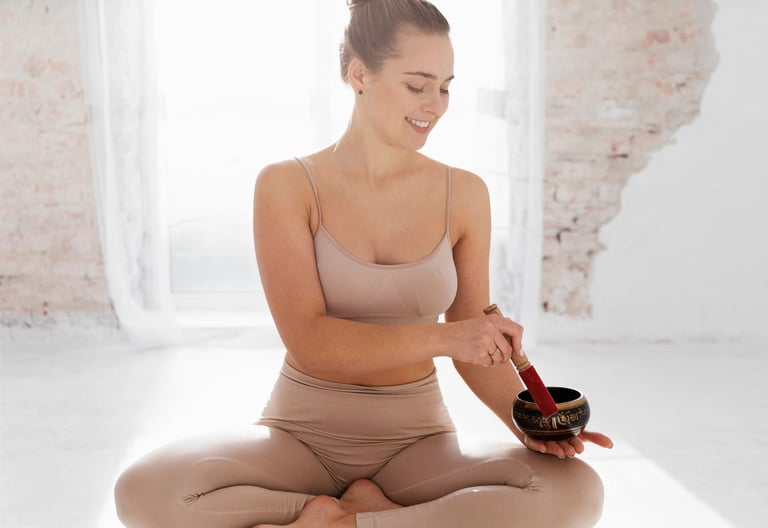
Introduction to Sound Bath Meditation
Sound bath meditation is a therapeutic practice that employs sound, often produced by various instruments, to promote relaxation, mental clarity, and emotional balance. This unique form of meditation has its roots in ancient traditions, such as those found in Tibetan Buddhism and indigenous cultures, where sound is used as a tool for spiritual healing and transformation.
During a typical sound bath session, participants lie down comfortably in a serene environment while a practitioner creates soothing soundscapes using an array of instruments. These instruments may include singing bowls, gongs, chimes, and tuning forks, each producing distinct frequencies and vibrations. The practitioners aim to immerse participants in a bath of sound that envelops them in waves of auditory experiences.
The practice of sound bath meditation is grounded in the understanding that sound can affect our physical and emotional states. The vibrations emitted from these instruments can foster relaxation, enhance mental focus, and even assist in physical healing. Additionally, sound therapy has been recognized for its potential in reducing anxiety and stress, making it an appealing practice in our fast-paced modern world.
In recent years, sound bath meditation has gained popularity in wellness communities and yoga studios. It is often integrated into broader meditation practices, offering a multidisciplinary approach to health and well-being. This holistic method invites participants into a deeper state of consciousness, facilitating mindfulness and a sense of connection to oneself and the surrounding environment.
Understanding the Mechanisms of Sound Bath Meditation
Sound bath meditation is an ancient practice that employs sound frequencies to facilitate relaxation and healing. At its core, this method harnesses the principles of resonance, whereby specific sound vibrations can synchronize with the body's own energetic frequencies. This connection creates a harmonious environment that is conducive to mental and physical well-being.
When individuals participate in a sound bath, they are typically exposed to a variety of instruments, including singing bowls, gongs, and tuning forks. Each of these instruments generates specific sound frequencies that can influence brainwave states. Importantly, our brains operate on various frequencies, such as beta, alpha, theta, and delta waves. Sound frequencies can help shift the brain from higher alert states, prevalent during stress and anxiety, to lower-frequency states associated with deep relaxation and meditation.
Research indicates that sound waves can impact our emotional and physiological states significantly. For instance, exposure to sound frequencies during meditation has been shown to reduce levels of cortisol, the stress hormone, while enhancing the production of neurotransmitters like serotonin. This biochemical transformation promotes feelings of calm and happiness, creating a conducive atmosphere for healing and emotional balance.
Moreover, sound bath meditation encourages mindfulness, as participants focus on the sounds and sensations coursing through their bodies. This active engagement can lead to decreased anxiety and improved mental clarity. The cumulative effects of sound waves, paired with deep breathing techniques typically used during these sessions, create a holistic approach to mental wellness that can aid in overcoming emotional and psychological challenges.
In conclusion, through the understanding of resonance, brainwave alteration, and emotional response, sound bath meditation presents a compelling modality for those seeking serenity and healing in today's fast-paced world.
Benefits of Sound Bath Meditation
Sound bath meditation has gained recognition in recent years for its myriad of benefits that touch upon various aspects of well-being, from mental clarity to emotional resilience and physical relaxation. The foundational principle of this practice involves immersing individuals in soothing sounds, typically produced by instruments such as singing bowls, gongs, and other harmonic devices, facilitating a meditative state that promotes healing and introspection.
One of the most significant benefits of sound bath meditation is stress reduction. Scientific research supports the notion that sound frequencies can influence brainwave activity, promoting a shift from a state of stress (beta waves) to relaxation and tranquility (alpha and theta waves). This shift not only calms the mind but also encourages the release of dopamine and serotonin, neurotransmitters associated with feelings of happiness and well-being.
Additionally, sound baths are increasingly recognized as effective tools for improving sleep quality. Participants often report enhanced relaxation, which research links to better sleep habits and reduced insomnia. The calming acoustic environment created during a sound bath can quiet racing thoughts, allowing for a restorative night's sleep.
Furthermore, the practice has the potential to boost creativity and emotional expression. Various anecdotal reports suggest that individuals often leave sound baths feeling inspired, as the unique auditory experience can facilitate a deeper connection to one’s intuitive self. This connection may foster new ideas or solutions to problems that have been seeking creative resolution.
Moreover, sound bath meditation supports increased mindfulness. By anchoring participants in the present moment through auditory experiences, individuals can cultivate greater awareness of their thoughts and feelings, thereby enhancing their overall emotional intelligence. With regular practice, this heightened mindfulness can lead to a profound transformation in how one interacts with both their internal emotional landscape and external environments.
Different Types of Sound Baths
Sound baths are a powerful form of healing that utilize various instruments and techniques to produce sound vibrations, promoting relaxation and mental clarity. While there are numerous styles of sound baths, each one offers its unique qualities and experiences, making it essential to explore the different types to find the one that best suits your preferences.
One of the most well-known types of sound baths involves using singing bowls. These instruments, typically made of crystal or metal, create harmonic tones that resonate deeply within the body. Practitioners often report feeling a profound sense of peace and balance during sessions that utilize singing bowls, as the gentle vibrations help to release tension and clear the mind.
Another popular option is the gong bath. Gongs produce a rich tapestry of sound that can be quite powerful and enveloping. The vibrations from the gongs can stimulate emotional release and profound relaxation. Participants often describe their experiences as transformative, with some noting a heightened sense of awareness and clarity following the session.
Tuning forks also play a significant role in sound baths, often used individually or in conjunction with other instruments. These forks create specific frequencies that can help align the body's energy centers, or chakras. Their precise vibrations can assist in addressing physical ailments and emotional blockages, providing a targeted approach to sound therapy.
When selecting a type of sound bath, consider factors such as personal resonance with specific instruments, desired outcomes, and the overall ambiance of the session. Whether seeking relaxation, emotional healing, or spiritual connection, there is a sound bath style to suit any individual's needs and preferences.
How to Prepare for a Sound Bath Meditation
Preparing for a sound bath meditation is essential to ensure that participants can fully immerse themselves in the experience and reap its numerous benefits. Firstly, creating a conducive environment is crucial. Choose a quiet and calm space where you will not be disturbed. Dim the lights or use soft lighting to promote relaxation. If possible, enhance the atmosphere with essential oils or incense, which can heighten the senses and contribute to the meditative experience.
Next, consider what you will wear during the session. Opt for loose-fitting and comfortable clothing that allows your body to relax fully. Natural fabrics such as cotton or linen are preferable as they allow for breathability and comfort. It is recommended to dress in layers, as the temperature in your meditation space may fluctuate. By ensuring your physical comfort, you can focus on the sounds and vibrations without distraction.
Setting intentions for your sound bath meditation is another vital step in preparation. Before you begin, take a moment to reflect on what you hope to achieve or let go of during the session. Whether you seek relaxation, emotional release, or clarity, articulating your intention can help guide your experience. Consider writing down your intention in a journal or stating it aloud as a form of affirmation. This practice can enhance your receptiveness to the sounds and sensations throughout the meditation.
Finally, remember to bring any personal items that may aid in your comfort, such as a blanket or pillow for support. Additionally, consider bringing water to stay hydrated. The goal is to create a personal sanctuary that fosters relaxation and openness to the sound waves during the session. By following these steps, you can optimize your sound bath meditation experience.
Incorporating Sound Bath Meditation Into Your Routine
Integrating sound bath meditation into your daily life can be a transformative experience, promoting relaxation and enhancing overall well-being. To make this meditative practice sustainable, it is essential to find a routine that fits your lifestyle. One effective approach is to determine the frequency of your sessions. Many individuals find that practicing once or twice a week allows them to reap the benefits while not feeling overwhelmed. However, depending on personal preferences and schedules, daily practice can also be beneficial, especially when beginning the journey into sound bath meditations.
Combining sound bath meditation with other forms of meditation can enhance the overall experience. Techniques such as mindfulness meditation or guided imagery may complement the soothing sounds, creating a more robust practice. For example, practitioners might choose to engage in mindfulness before a sound bath to center their thoughts, leading to a deeper connection during the session. This combination can optimize relaxation and make the experience more profound and meaningful.
For those unable to attend in-person sessions, utilizing recorded sound baths at home presents a valuable alternative. A wealth of guided sound baths is available online, allowing practitioners to experience the benefits of sound healing in the comfort of their own space. Creating a calming environment at home, whether through dim lighting, comfortable seating, or using incense, can enhance the overall experience of these recordings. Setting aside dedicated time in your daily schedule for these sound baths can further reinforce a consistent practice and encourage mindfulness.
Ultimately, the key to successfully incorporating sound bath meditation into your routine is to create a personalized plan that resonates with you. By determining a comfortable frequency of practice, combining it with other meditative techniques, and utilizing accessible resources, you can cultivate a sustainable sound bath meditation practice that fits seamlessly into your daily life.
Conclusion and Final Thoughts
In essence, sound bath meditation encompasses a holistic practice that utilizes sound frequencies to promote relaxation, balance, and emotional healing. Throughout this blog post, we have explored how sound meditation can effectively reduce stress and anxiety, enhance concentration, and foster a deeper sense of inner peace. These therapeutic sound experiences harness the vibrational power of instruments such as singing bowls, gongs, and other resonant tools, offering participants a unique sensory journey.
The benefits of sound bath meditation extend beyond mere relaxation; they can catalyze profound personal transformation. As individuals immerse themselves in the resonant tones and vibrations during a sound bath, they are often able to release negative emotions and cultivate a greater awareness of their mental and emotional states. This mindful practice connects practitioners to the present moment, evoking a sense of tranquillity and grounding.
Moreover, engaging in this meditative practice can serve as a catalyst for personal growth, encouraging individuals to explore their inner landscape. By integrating sound bath meditation into one's self-care routine, individuals may uncover deeper layers of self-awareness, leading to improved mental clarity and emotional resilience.
We invite readers to consider incorporating sound bath meditation into their wellness practices. Whether through attending a class or finding guided sessions online, this approach offers an enriching experience that encourages exploration and healing. Ultimately, sound bath meditation holds the potential to enhance overall well-being, promoting harmony within the body, mind, and spirit. Embrace the opportunity to rediscover yourself through the healing tones of sound.
Ready to get on the mat?
Book your first visit and experience the space for yourself. We'll confirm within 24 hours, and your first class is 20% off.
Address
Book My First Visit
info@travelyoga.com.br
+1-555-123-4567
© 2026 Travel Yoga. All rights reserved. reserved.
Questions about the studio, the schedule, or your first visit? Reach out and we'll help you find the best place to begin.