Inside Our Studio | Yoga & Pilates Space in NY | Travel Yoga
Mindfulness Retreats in Asia: 2026 Guide
Mindfulness retreats serve as a transformative haven for individuals seeking to cultivate a deeper connection with themselves and their surroundings. These retreats have recently gained immense popularity, with participants flocking to serene environments where they can practice mindfulness in a focused and supportive setting. The core purpose of these retreats is to guide attendees through various mindfulness techniques, ultimately fostering greater mental clarity, emotional balance, and enhanced well-being.
6/20/20267 min read
Introduction to Mindfulness Retreats
Mindfulness retreats serve as a transformative haven for individuals seeking to cultivate a deeper connection with themselves and their surroundings. These retreats have recently gained immense popularity, with participants flocking to serene environments where they can practice mindfulness in a focused and supportive setting. The core purpose of these retreats is to guide attendees through various mindfulness techniques, ultimately fostering greater mental clarity, emotional balance, and enhanced well-being.
The significance of mindfulness in modern society cannot be overstated. As the pace of life accelerates and daily stressors accumulate, more individuals are recognizing the need for practices that ground them in the present moment. Mindfulness, defined as the practice of being fully engaged in the here and now without judgment, can profoundly affect one’s mental health and overall quality of life. Mindfulness retreats, therefore, offer an opportunity to escape daily distractions and immerse oneself in a structured environment dedicated to self-exploration and emotional healing.
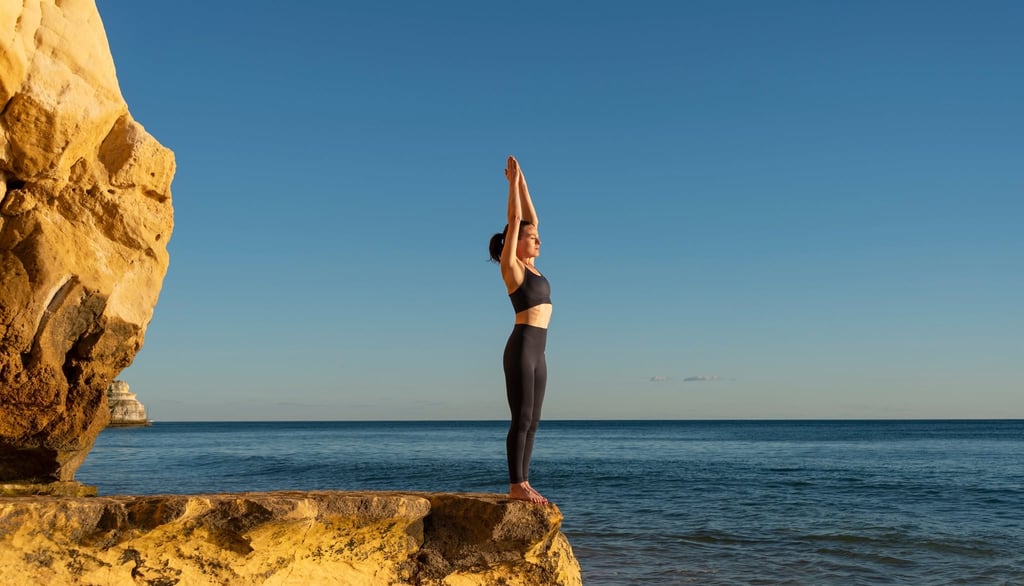
During these retreats, participants often engage in various activities such as meditation, yoga, and nature walks, each designed to deepen their mindfulness practice. In addition to individual practice, many retreats emphasize community engagement and shared experiences, fostering a supportive atmosphere that enhances personal insights and growth. By combining mindful practices with natural surroundings, retreat-goers often find that they can access a heightened state of awareness that is challenging to achieve in everyday life.
As we explore mindfulness retreats in Asia, their unique offerings, and the benefits they provide, it becomes evident that these sanctuaries are more than just temporary escapes; they are crucial spaces for fostering long-term mental well-being and grace in a chaotic world.
Top Destinations for Mindfulness Retreats in Asia
Asia is a rich tapestry of cultures and landscapes, making it an ideal continent for mindfulness retreats. Each country offers unique characteristics, enhancing the retreat experience for participants seeking tranquility and spiritual awakening.
In Thailand, the northern city of Chiang Mai stands out as a premier destination for mindfulness retreats. Renowned retreat centers, such as the Austria Chiang Mai Retreat, provide daily meditation sessions, yoga classes, and opportunities for silent reflection amidst lush greenery. The serene environment and the warm hospitality of locals contribute to a nurturing atmosphere for introspection and healing.
India, often regarded as the birthplace of mindfulness practices, boasts destinations such as Rishikesh and Dharamshala. These towns are steeped in spiritual traditions. At the Parmarth Niketan Ashram in Rishikesh, visitors can engage in yoga, meditation, and Ayurvedic treatments while being surrounded by the majestic Himalayas. This combination of natural beauty and spiritual practice creates a powerful setting for personal growth.
Bali, known for its idyllic landscapes, is home to several retreat centers that focus on holistic healing and mindfulness. The Fivelements Retreat in Ubud takes pride in its eco-conscious approach and customized wellness programs, accentuating Balinese traditions in its practices. The backdrop of rice paddies and sacred temples enhances the transformative experience for participants.
Nepal offers unparalleled access to the Himalayas and a deep connection to spiritual heritage, making it a remarkable destination for mindfulness enthusiasts. Retreats in the Annapurna region, such as the Namaste Yoga Farm, allow guests to experience meditation amidst breathtaking mountain views, offering a sense of peace and clarity.
Each of these destinations provides a unique backdrop for mindfulness retreats, ensuring that individuals seeking inner calm and personal transformation find the ideal setting to embark on their journey.
Types of Mindfulness Retreats Available
Mindfulness retreats in Asia offer a diverse array of experiences designed to cater to various interests and preferences. Among these, silent retreats are particularly popular, allowing participants to step away from the distractions of daily life. During a silent retreat, participants engage in periods of quiet meditation, often adhering to a strict schedule that includes meditative practices, mindful walking, and reflection. The focus is on cultivating inner peace and awareness, with limited communication to foster deeper introspection.
Another prevalent type of mindfulness retreat is the yoga and meditation retreat. These retreats seamlessly blend physical practice with mindfulness techniques. Participants typically follow a structured daily schedule that includes yoga sessions, guided meditations, and discussions on mindfulness philosophy. The integration of breathwork and movement helps to deepen awareness, promoting a holistic approach to well-being. Yoga instructors guide participants through various styles, accommodating all levels, from beginners to advanced practitioners.
Nature-based retreats offer a unique opportunity to connect with the natural environment while practicing mindfulness. Set in lush forests, mountains, or along serene coastlines, these retreats emphasize outdoor activities such as hiking, sitting in nature, and eco-meditation practices. The daily activities often include journaling, nature walks, and group sharing sessions, creating a community experience that fosters connection with self and nature. Participants can expect to feel rejuvenated and grounded through the harmonious blend of mindfulness and the natural world.
Overall, each type of mindfulness retreat provides a unique opportunity for participants to deepen their practice and experience personal growth. The choice of retreat ultimately depends on individual preferences, goals, and the desired environment for their mindfulness journey.
Benefits of Attending Mindfulness Retreats
Mindfulness retreats offer a multitude of advantages that can significantly enhance participants' mental, emotional, and spiritual well-being. One of the primary benefits is stress reduction. Engaging in mindfulness practices such as meditation and yoga can lead to a marked decrease in cortisol levels, which are often elevated due to stress. By immersing oneself in a retreat setting, individuals can learn techniques that help them manage and reduce stress effectively, contributing to a more balanced life.
In addition to alleviating stress, mindfulness retreats foster improved focus and clarity. Participants often report an increase in their attention span and cognitive flexibility. A systematic review published in the journal Psychological Bulletin found that mindfulness training can enhance executive functions, which include working memory and cognitive control. This improved focus can be integral for those seeking to enhance productivity in both personal and professional realms.
Another profound benefit is emotional healing. Many individuals attend mindfulness retreats to process unresolved emotions and traumas. By creating a safe and supportive environment conducive to self-reflection, retreats enable participants to engage in deep emotional work. A study from the Journal of Happiness Studies illustrated that such retreats can lead to heightened emotional well-being and resilience, reducing symptoms of anxiety and depression.
Greater self-awareness is also a key advantage of mindfulness retreats. Through guided meditations and contemplative practices, individuals are encouraged to observe their thoughts and feelings without judgment. This self-awareness can pave the way for personal growth and transformation. As articulated by several participants, the insights gained during a retreat often translate into long-term lifestyle changes, fostering a deeper understanding of themselves and their emotional patterns.
What to Expect During a Mindfulness Retreat
Attending a mindfulness retreat can be a transformative experience. Generally, participants can expect a well-structured daily routine that encourages personal reflection, meditation, and community interaction. Most mindfulness retreats start early in the morning, often with a guided group meditation session to align the participants’ minds and spirits. This is typically followed by gentle yoga or stretching exercises to awaken the body.
Accommodations vary widely depending on the retreat’s location and ethos. Some retreats offer simple shared lodgings with a focus on communal living, while others provide more luxurious private rooms with stunning views of the natural surroundings. Regardless of the amenities, the goal of all accommodations remains the same: to foster an environment conducive to relaxation and self-discovery.
Meals are often prepared with great care, emphasizing locally sourced, organic ingredients. Expect wholesome vegetarian or vegan options, served in a communal setting. This shared dining experience allows participants to bond over their culinary delights while engaging in informal discussions about each other’s journeys.
Throughout the retreat, attendees are likely to participate in a variety of workshops and sessions aimed at deepening their understanding of mindfulness practices. Topics may range from breathwork exercises, guided visualizations, to practical applications of mindfulness in daily life. Group discussions are also common, providing a space for attendees to share experiences and insights gained during the retreat.
For newcomers, preparing for a mindfulness retreat involves setting intentions for the experience, packing comfortable clothing suitable for yoga and long meditative sittings, and cultivating an open mindset. It’s advisable to limit distractions, so consider leaving electronic devices behind. Engaging fully in the moment can significantly enhance the benefits of attending a mindfulness retreat.
Planning Your Mindfulness Retreat in 2026
Planning a mindfulness retreat in 2026 involves careful consideration across several dimensions, each aimed at ensuring a fulfilling experience. The first step lies in choosing the right destination, as Asia offers a myriad of options tailored to different preferences and practices of mindfulness. From the tranquil beaches of Thailand to the serene mountains of Nepal, the environment plays a crucial role in enhancing your retreat experience. Researching various locations will help you identify which aligns with your personal goals and the style of mindfulness practice you wish to pursue.
In addition, budgeting is an essential consideration. The cost of mindfulness retreats can vary significantly based on location, duration, and inclusivity of amenities. Establishing a clear budget not only keeps your finances in check but also allows for flexibility in choosing accommodation, food, and activities that align with your objectives. Many retreats offer tiered pricing, so look into what is included in each package to ensure that you are selecting the option that best suits your needs.
Making reservations well in advance should not be overlooked. As interest in mindfulness retreats continues to grow, particularly in the post-pandemic era, securing your spot early is advisable. Many centers may offer early-bird discounts or special promotions for bookings made ahead of time. You can typically check websites for online booking options, and it is also helpful to reach out directly to retreat centers for any specific inquiries.
Ultimately, timing your visit is equally crucial. The best times to attend retreats often coincide with favorable weather conditions—which can enhance your experience—as well as seasonal events that may add to the retreat's unique value. Emerging trends indicate that there will be a shift towards more personalized and thematic retreats in 2026, driven by participants’ desires for tailored experiences that engage both the mind and body.
Conclusion: Embracing Mindfulness in Daily Life
As we reflect on the enriching experiences offered by mindfulness retreats in Asia, it is essential to recognize the importance of integrating mindfulness into our daily routines. While retreats provide an intensive opportunity for self-discovery and growth, the journey does not have to end upon returning home. In fact, sustaining the practices learned during these retreats is crucial for fostering mental clarity, emotional resilience, and overall well-being.
To seamlessly incorporate mindfulness into everyday life, individuals can begin by exploring local mindfulness resources. Many communities now offer meditation classes, workshops, and support groups that can facilitate continued growth. Engaging with these local options helps in maintaining a sense of connection to like-minded individuals and deepens the practice. Additionally, many online platforms provide guided meditations and mindfulness exercises, allowing for flexible participation from the comfort of one’s home.
Keeping in touch with fellow retreat attendees can also greatly enhance the mindfulness journey. Sharing insights, experiences, and challenges with others who understand the process fosters a communal spirit that can be incredibly supportive. Group discussions, whether virtual or in-person, create a space for accountability and encouragement, which are pivotal for sustained practice.
Ultimately, mindfulness is a lifelong expedition, and the skills honed during mindfulness retreats in Asia serve as tools to navigate daily life more consciously. By remaining committed to incorporating mindfulness techniques and maintaining connections with both new and old friends, practitioners can cultivate a more centered, fulfilled existence. Embracing mindfulness in daily life not only enhances personal well-being but also contributes positively to the surrounding community.
Ready to get on the mat?
Book your first visit and experience the space for yourself. We'll confirm within 24 hours, and your first class is 20% off.
Address
Book My First Visit
info@travelyoga.com.br
+1-555-123-4567
© 2026 Travel Yoga. All rights reserved. reserved.
Questions about the studio, the schedule, or your first visit? Reach out and we'll help you find the best place to begin.