Inside Our Studio | Yoga & Pilates Space in NY | Travel Yoga
How to Stop Overthinking with Meditation
Overthinking is a mental phenomenon characterized by an excessive focus on thoughts, often leading individuals to replay the same scenarios repeatedly or dwell on past events. This repetitive cycle can significantly hinder one's ability to make decisions, as the mind becomes trapped in a labyrinth of possibilities and uncertainties. Overthinking can manifest in various forms, including rumination, where a person continuously reflects on distressing thoughts, and worrying, which involves anticipating potential negative outcomes in the future.
6/20/20267 min read
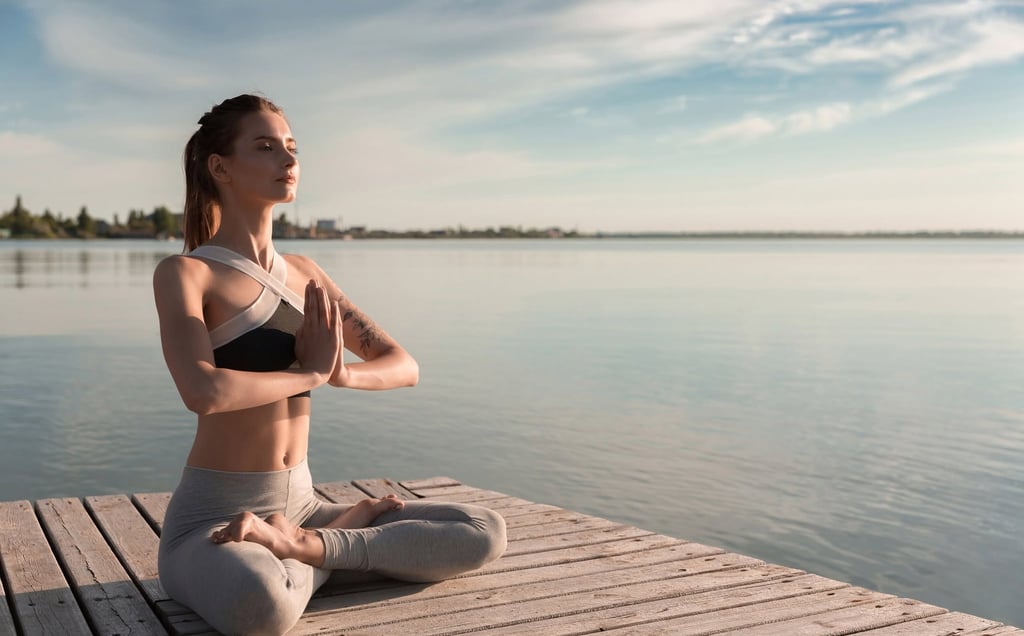
Understanding Overthinking
Overthinking is a mental phenomenon characterized by an excessive focus on thoughts, often leading individuals to replay the same scenarios repeatedly or dwell on past events. This repetitive cycle can significantly hinder one's ability to make decisions, as the mind becomes trapped in a labyrinth of possibilities and uncertainties. Overthinking can manifest in various forms, including rumination, where a person continuously reflects on distressing thoughts, and worrying, which involves anticipating potential negative outcomes in the future.
The psychological impact of overthinking on mental health can be profound. Prolonged overthinking can exacerbate conditions such as anxiety and depression, creating a vicious cycle where anxiety leads to overanalysis, and overanalysis intensifies anxiety. Individuals who find themselves overthinking may struggle with feelings of inadequacy, low self-esteem, and chronic stress, all of which can deplete emotional well-being and hinder personal growth. Furthermore, the signs of overthinking include difficulty concentrating, an inability to relax, and a persistent sense of being overwhelmed by life's choices.
Moreover, overthinking can lead to significant indecisiveness, as constant second-guessing prevents individuals from reaching conclusions or taking action. This indecisiveness can permeate various aspects of life, from minor choices—such as what to order in a restaurant—to major decisions regarding career paths or relationships. Recognizing the signs of overthinking, such as the tendency to overanalyze situations and feel trapped in one's own thoughts, is the first step toward addressing and mitigating its negative effects.
The Benefits of Meditation for Mental Clarity
Meditation has gained substantial recognition for its profound effects on mental health, particularly in reducing overthinking. Research in psychology has shown that engaging in regular meditation practice can significantly enhance mental clarity and focus. One study conducted by neuroscientists at Harvard University demonstrated that participants who practiced mindfulness meditation over an eight-week period exhibited noticeable changes in brain structure, particularly in areas associated with stress regulation and attention.
By fostering an environment of calm, meditation allows individuals to distance themselves from repetitive, circular thoughts that often lead to overthinking. This mental distancing is achieved through techniques that enhance awareness of the present moment, such as focusing on breath or bodily sensations. An important aspect of meditation is that it not only facilitates relaxation but also enhances cognitive capabilities. A meta-analysis published in the journal "Cognitive, Affective, & Behavioral Neuroscience" indicated that meditation can increase attention span and improve information retention. These cognitive improvements can directly translate to more effective problem-solving skills, diminishing the need to dwell on issues excessively.
Moreover, meditation promotes emotional well-being, which can assist in curbing overthinking habits. An increased ability to manage stress through mindfulness and meditation is associated with better emotional regulation, leading to fewer instances of rumination. The practice encourages a non-judgmental observation of thoughts, thereby enabling individuals to observe their thought processes without becoming entangled in them. Consequently, as one becomes more attuned to the transient nature of thoughts, the tendency to overanalyze can be reduced significantly.
Overall, the benefits of meditation in enhancing mental clarity, focus, and emotional regulation underscore its potential as a valuable tool for individuals seeking to overcome overthinking. Regular practice not only promotes a more serene state of mind but also equips individuals with the mental skills necessary to manage distracting thoughts more effectively.
Types of Meditation to Combat Overthinking
Overthinking can lead to increased stress and mental fatigue, making it essential to find effective strategies to alleviate this pattern. Meditation, in various forms, has emerged as a powerful tool that can assist individuals in quieting their minds. Here, we explore several meditation techniques that can specifically benefit overthinkers.
Mindfulness meditation is one of the most recognized methods for addressing overthinking. This technique involves focusing on the present moment and becoming aware of thoughts and sensations without judgment. By acknowledging and observing thoughts rather than engaging with them, practitioners can gradually reduce the intensity of their ruminations. Mindfulness promotes a sense of clarity, allowing individuals to detach from spiraling thoughts and cultivate a state of calm.
Guided meditation offers another effective approach for those grappling with overthinking. In this practice, individuals listen to a facilitator or an audio recording that leads them through the meditation process. The guidance can help participants stay focused and engaged, making it less likely for their thoughts to drift into unproductive patterns. Many guided meditations include visualizations, breathing exercises, or affirmations aimed at fostering relaxation and mental stillness.
Loving-kindness meditation, or "metta," is particularly beneficial for individuals struggling with self-criticism and negative thought cycles. This technique encourages practitioners to cultivate feelings of compassion and kindness towards themselves and others. By repeatedly wishing goodwill and happiness towards themselves and those around them, individuals can foster a positive mindset that counteracts overthinking. This compassion-focused approach helps in reframing negative self-talk, leading to an overall improvement in mental well-being.
In conclusion, incorporating different types of meditation into one's daily routine can significantly aid in managing overthinking. Whether through mindfulness, guided sessions, or loving-kindness practices, each technique offers unique benefits that can empower individuals to cultivate a more peaceful and focused mind.
Creating an Inviting Meditation Space
Establishing a dedicated meditation space is a vital step to cultivating a serene and effective practice. Begin by selecting a quiet area in your home that is free from distractions. This space should ideally be secluded from the hustle and bustle of daily life, enabling you to find a sense of peace and focus.
Once you have identified the appropriate location, consider the ambiance. The atmosphere you create can significantly impact your meditation experience. Utilize calming scents, such as lavender or sandalwood, which can be introduced through essential oils or incense. Aromatherapy is known to enhance relaxation and foster a more conducive environment for reflection and mindfulness.
In addition to scent, sound plays an important role in meditation. You may want to incorporate soothing background music or nature sounds that resonate with you. These auditory elements can help drown out distractions and create a sense of calm, further promoting deep relaxation. However, it is essential to choose sounds that are gentle and unobtrusive, ensuring they do not hinder your meditation process.
Equally important is the aspect of comfort. Ensure your meditation space is equipped with comfortable seating, such as cushions or a meditation bench, to support a conducive posture. The temperature should also be maintained at a comfortable level, as a chilly or stuffy environment can disrupt your focus. The goal is to foster a sense of physical comfort that allows you to concentrate fully on the process of meditation.
By thoughtfully considering these elements—quiet space, calming scents, relaxing sounds, and comfortable seating—you will create an inviting mediation sanctuary that encourages a consistent and fulfilling practice. This foundation will allow you to explore the depths of your mind, aiding in the reduction of overthinking through meditation.
Establishing a Meditation Routine
Incorporating meditation into daily life can significantly aid in managing overthinking. The process begins by starting small; beginners might find it helpful to meditate for just five minutes a day. This brief time commitment can make it more approachable, especially for those new to the practice. Gradually, as comfort with meditation develops, individuals can increase the duration to 10 or 15 minutes, gradually working towards longer sessions.
To ensure consistency, setting a specific time for meditation can be beneficial. Many practitioners find that meditating in the morning helps set a positive tone for the day, while others prefer evening sessions for relaxation. Whichever time is chosen, the key is to keep it regular. This can be reinforced by creating reminders or integrating meditation into existing daily rituals, such as after waking up or before going to bed. The repetition of a set schedule can transform meditation into a habitual practice.
Another effective strategy is to create a conducive environment for meditation. This can include choosing a quiet space, minimizing distractions, and possibly using calming scents or soft lighting. Establishing such an environment signals to the mind that it is time to focus and unwind. Additionally, utilizing guided meditation apps or joining local meditation groups can provide structure and support, offering accountability that can be crucial for newcomers.
Over time, as comfort with meditation grows, practitioners can explore various techniques, including mindfulness, loving-kindness, or body scan meditations. Each method can provide unique benefits and help individuals discover what resonates best with them. With persistence and dedication, meditation can become a powerful tool for managing overthinking and cultivating a sense of calm in everyday life.
Overcoming Common Meditation Hurdles
Meditation serves as a powerful tool for those seeking to stop overthinking, yet many individuals encounter various hurdles at the beginning of their practice. Common challenges include difficulties concentrating, feelings of restlessness, and doubts regarding the effectiveness of meditation. Acknowledging these obstacles is the first step towards overcoming them.
A significant barrier to effective meditation is the inability to maintain focus. It is essential to recognize that the mind is naturally inclined to wander. Beginners often find it frustrating when thoughts intrude upon their meditation experience. To address this issue, practitioners can begin with short sessions, gradually increasing the duration as their ability to concentrate improves. Utilizing a guided meditation app can also enhance focus by providing direction and structure.
Another common challenge is restlessness, which can manifest physically or mentally. It is crucial to create a conducive environment for meditation by minimizing distractions and ensuring comfort. Individuals may experiment with different postures, such as sitting or lying down, to discover what feels most suitable for them. Engaging in gentle stretches before meditation may also help alleviate physical tension, fostering a more relaxed state.
Doubts about the effectiveness of meditation can lead to discouragement. It is important to remember that meditation is a practice that develops over time. Immediate results should not be the primary focus; rather, consistency and patience play a vital role in reaping meditation's benefits. Assessing one’s progress through journaling can serve as a reminder of the positive changes experienced, even when progress seems slow.
Incorporating these strategies allows practitioners to navigate the common hurdles associated with meditation. The key is to remain patient and persistent, as overcoming these challenges can ultimately enhance one's meditation experience and contribute significantly to stopping overthinking.
Integrating Mindfulness Into Daily Life
As individuals navigate through their daily routines, integrating mindfulness learned from meditation can significantly enhance their ability to remain present, ultimately mitigating the tendency to overthink. Mindfulness, a state of active, open attention to the present moment, is fundamental in transforming ordinary experiences into opportunities for mental clarity and reduced stress.
One effective technique is the practice of mindful breathing. Whenever faced with stressors, taking a few moments to focus on one's breath can ground an individual in the present. This involves observing each inhalation and exhalation without judgment, allowing thoughts of worry or concern to drift away. By honing in on the rhythm of breathing, distractions like overthinking can be momentarily set aside, helping to cultivate a sense of calm.
Another method to incorporate mindfulness is through sensory observation. Engaging fully with one’s surroundings through the five senses can pull attention away from cyclical thoughts. For instance, while enjoying a meal, paying close attention to flavors, textures, and aromas allows individuals to experience the moment instead of reflecting on past anxieties or future worries.
Mindful walking is also a beneficial practice. When walking, consciously focusing on each step and the sensations in the feet and legs can be remarkably grounding. This simple act shifts attention from overthinking to the current physical experience, fostering a clearer mind.
It's important to recognize that integrating mindfulness into daily life is a gradual process. Setting aside designated times for mindfulness practice can pave the way for a more mindful approach throughout the day. Even brief moments of mindfulness can enrich one's perspective and transform challenging situations into manageable experiences.
Ready to get on the mat?
Book your first visit and experience the space for yourself. We'll confirm within 24 hours, and your first class is 20% off.
Address
Book My First Visit
info@travelyoga.com.br
+1-555-123-4567
© 2026 Travel Yoga. All rights reserved. reserved.
Questions about the studio, the schedule, or your first visit? Reach out and we'll help you find the best place to begin.