Inside Our Studio | Yoga & Pilates Space in NY | Travel Yoga
Beginner Pilates: First 30 Days Plan
Pilates is a physical fitness system that emphasizes core strength, flexibility, and overall body awareness. Developed in the early 20th century by Joseph Pilates, this practice was initially created to aid rehabilitation efforts, particularly for injured soldiers during World War I. Over the decades, Pilates has evolved into a popular form of exercise, appealing to a diverse audience worldwide seeking to improve their physical fitness and mental well-being.
6/20/20268 min read
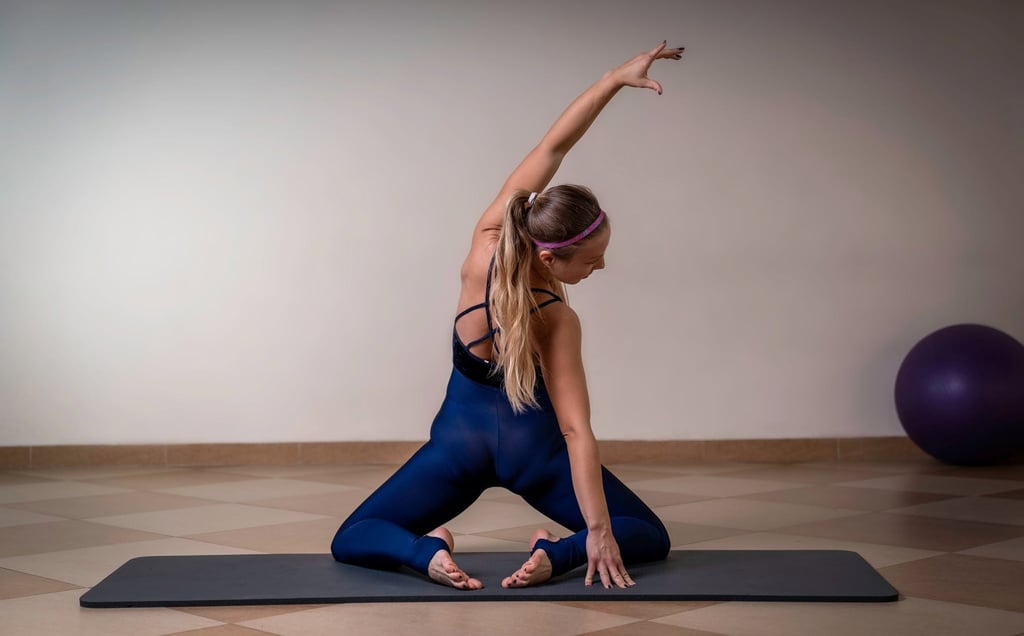
Introduction to Pilates
Pilates is a physical fitness system that emphasizes core strength, flexibility, and overall body awareness. Developed in the early 20th century by Joseph Pilates, this practice was initially created to aid rehabilitation efforts, particularly for injured soldiers during World War I. Over the decades, Pilates has evolved into a popular form of exercise, appealing to a diverse audience worldwide seeking to improve their physical fitness and mental well-being.
The foundational principles of Pilates include concentration, control, centering, precision, breath, and flow. These principles guide practitioners in their movements, encouraging a mindful approach to exercise. By focusing on these aspects, individuals can enhance their body control and alignment, which is essential for executing movements with precision and minimizing the risk of injury.
One of the key benefits of Pilates, particularly for beginners, is its holistic approach to fitness. Unlike many traditional workouts that emphasize strength or cardio alone, Pilates integrates both, promoting a balanced body structure and improved posture. This makes it an excellent choice for individuals of all fitness levels, especially those new to exercise. Additionally, the low-impact nature of Pilates allows beginners to engage in physical activity without straining their bodies. It accommodates various fitness levels, allowing for adaptations and modifications based on individual capabilities.
Furthermore, Pilates differs significantly from other forms of exercise such as yoga or weightlifting. While yoga focuses heavily on flexibility and spiritual elements, Pilates centers on physical strength and core stability. Weightlifting, conversely, targets superficial muscle groups, whereas Pilates encourages a mind-body connection primarily through deep, controlled movements. This distinction makes Pilates a unique fitness option for those looking to build a strong foundation in physical fitness while enhancing their body awareness.
Setting Your Goals
Embarking on a 30-day Pilates journey requires the establishment of clear, realistic, and attainable goals. Goal-setting is a fundamental aspect that not only provides direction but also acts as a motivational tool throughout the process. Whether one aims to improve overall fitness, enhance flexibility, or build strength, setting specific targets can significantly impact the overall results.
When considering fitness goals, individuals might focus on aspects like weight loss or toning. It's beneficial to quantify these goals - for instance, aiming to lose a specific number of pounds or to fit into a particular clothing size can create a tangible target. On the other hand, flexibility skills could be assessed by the range of motion in various stretches. For example, setting a goal to achieve the split or to touch one’s toes can be both motivating and rewarding.
Strength-building goals involve identifying specific exercises or movements to master. This could include accomplishing more repetitions of a given exercise or perfecting a challenging pose. Importantly, these goals should relate to one’s current capabilities while being progressive, allowing for growth over the 30-day timeframe.
To ensure sustained motivation, it’s crucial to track progress regularly. This could be through journaling workouts or taking weekly photos to visually document changes. Having a support system, whether through family, friends, or a like-minded community, can also provide encouragement and accountability. Remember, considering mental milestones alongside physical goals can enhance the experience, emphasizing how Pilates nurtures the mind-body connection.
In summary, effective goal-setting plays a pivotal role in a successful beginner Pilates experience. By creating clear, targeted objectives and employing supportive strategies, individuals can not only progress in their Pilates practice but also enjoy the journey itself.
Creating a Workout Schedule
Establishing an effective workout schedule is crucial for achieving your Pilates goals within the first 30 days. Consistency plays a significant role in adapting to this form of exercise, allowing you to build strength, flexibility, and body awareness over time. The key is to create a balanced routine that accommodates both your Pilates sessions and other physical activities.
A sample weekly schedule may include a mixture of Pilates-focused workouts, cardio sessions, and rest days to promote recovery. For instance, consider starting your week with a beginner Pilates class on Monday, followed by a light cardio workout on Tuesday, such as walking or cycling. Return to Pilates on Wednesday and incorporate another class or an online session on Thursday. You may wish to dedicate Fridays to a low-impact workout, including yoga or stretching exercises, before enjoying a restful weekend. Utilizing this mix of activities helps to maintain motivation while allowing adequate recovery for your muscles.
It is essential to ensure that your Pilates sessions are neither too frequent nor too demanding at the outset. Begin with 2-3 Pilates classes per week and gradually increase the frequency as you become more confident and resilient. Be attuned to your body’s signals, and prioritize rest days to allow your muscles to recover. A well-rounded approach to your workout schedule will not only support your Pilates practice but also enhance overall physical fitness by preventing fatigue and reducing the risk of injury.
Upon creating your initial 30-day workout schedule, remember to write down your plan and track your progress. This practice will motivate you to stay committed and focused on your journey toward physical improvement and wellness through Pilates.
Essential Pilates Equipment and Props
As beginners embark on their Pilates journey, understanding the essential equipment and props can significantly enhance their practice. This introductory period is vital for developing a solid foundation, and the right tools can facilitate this growth. One of the most fundamental pieces of equipment is the Pilates mat. A high-quality mat provides cushioning and support, allowing practitioners to perform exercises comfortably while maintaining proper alignment.
In addition to a mat, Pilates blocks serve as invaluable props for enhancing stability and ensuring proper technique. These blocks can help beginners modify exercises, making them more accessible, especially when flexibility may be limited. They can be used to provide support in various poses, aiding in the development of strength and balance over time.
Bands are another important piece of equipment. Resistance bands enable novices to add difficulty to certain movements while maintaining control. This equipment is particularly beneficial for isolating specific muscle groups, promoting strength, and enhancing flexibility. By integrating bands into their routines, beginners can effectively progress in strength training without the need for heavy weights.
Lastly, while more advanced practitioners often utilize a reformer, beginners can benefit from this apparatus as they become more comfortable with Pilates principles. The reformer employs springs and pulleys, providing resistance and assistance during exercises. Its versatility allows for various modifications, catering to personal fitness levels and enhancing the overall Pilates experience.
In essence, equipping oneself with the right Pilates tools—like mats, blocks, bands, and reformers—can significantly support a beginner’s practice. These elements not only facilitate learning but also contribute to a more enjoyable and effective workout routine.
Beginner-Friendly Pilates Exercises
Pilates is an excellent low-impact exercise method that focuses on core strength, flexibility, and overall body awareness, making it ideal for beginners. Here are a few foundational Pilates exercises, each designed to introduce newcomers to the principles of the discipline while building a strong foundation.
The Hundred: This exercise aims to increase blood flow and warm up the body. To perform the Hundred, lie on your back with your legs elevated to a 45-degree angle. Lift your head, shoulders, and arms off the mat, reaching your fingers towards your feet. Inhale for a count of five while pumping your arms down by your sides, then exhale for another count of five. Repeat this sequence for a total of ten cycles. Beginners may opt to keep their knees bent or feet on the ground if necessary.
This movement enhances spinal flexibility and strengthens the abdominal muscles. Start by lying flat on your back with your legs extended and arms reaching overhead. Inhale to prepare, then exhale as you engage your core to lift your upper body, articulating each vertebra off the mat until sitting upright. Maintain a straight spine and lower back down, segment by segment, as you inhale again. To modify, bent knees can reduce the intensity.
This exercise targets the abdominal muscles while improving coordination. Begin on your back with both knees bent. Inhale as you bring one knee into your chest while extending the other leg at a 45-degree angle. Grab the knee with both hands, keeping your shoulders relaxed. Switch legs while exhaling and continue alternating for five pairs of breaths. Those who find this challenging might modify by keeping both feet on the ground or performing the movement slowly.
These exercises serve as an essential introduction to Pilates, fostering an understanding of alignment, form, and core engagement. Regular practice not only aids in learning the techniques but also lays the groundwork for more advanced movements as confidence and strength build.
Tracking Progress and Adjusting Plan
Embarking on a Beginner Pilates journey necessitates systematic tracking of progress to foster improvement and modify routines as needed. Keeping a workout journal serves as an invaluable tool for beginners. In this journal, practitioners can record each session, noting the specific exercises performed, durations, and personal feelings towards the practice. This ongoing record not only reflects achievements but also highlights any challenges encountered, providing keen insight into areas for growth.
Another effective method of monitoring advancement includes taking physical measurements at regular intervals. For instance, measuring circumferences of the waist, hips, and arms can reveal changes in body composition over time. Beginners might choose to take these measurements weekly or bi-weekly to observe gradual changes, which can serve as motivation to persist with the routine.
Furthermore, beginners should assess their performance improvements periodically. This can incorporate observing enhancements in flexibility, strength, or endurance. Noticing the ability to complete more repetitions or hold poses longer should indicate progress and help affirm that the chosen Pilates regimen is beneficial. Additionally, self-assessing comfort levels while executing specific movements is crucial; discomfort can signal the need for adjustments, either by modifying exercises or incorporating resting days to prevent overexertion.
Adjusting the plan is imperative when significant progress is noted or if routines become monotonous. Pilates routines can evolve as one’s capabilities expand, making it essential to introduce advanced variations or new exercises to maintain engagement and promote continued growth. Similarly, if discomfort or fatigue becomes persistent, revisiting the foundational movements or reducing intensity may be necessary. By actively tracking progress and adjusting the plan accordingly, beginners can ensure a rewarding experience in their first 30 days of Pilates.
Final Thoughts and Next Steps
Completing a 30-day Pilates plan is a significant accomplishment that lays a solid foundation for your fitness journey. Throughout this month, you have engaged in a variety of exercises designed to improve your core strength, flexibility, and overall body awareness. As you reflect on the progress you have made, it is essential to recognize the key takeaways from this transformative experience. Embracing the principles of control, precision, and concentration that Pilates emphasizes will lead to further enhanced results.
To continue your Pilates practice beyond the first month, consider exploring additional resources to deepen your understanding and skills. Online platforms provide an array of high-quality Pilates classes, ranging from beginner to advanced levels, allowing you to progress at your own pace. YouTube channels dedicated to Pilates can also offer valuable insights from experienced instructors, providing you with diverse techniques and styles.
Engaging with a community of Pilates enthusiasts can enrich your journey significantly. Local studios often hold workshops and group classes where you can socialize and share experiences with like-minded individuals. Additionally, joining online forums or social media groups focused on Pilates can offer motivation and support, helping you celebrate milestones and overcome challenges together.
As your confidence builds, consider branching out into more advanced practices. Incorporating equipment such as the reformer or stability ball can add variety to your routine, challenge your muscles in new ways, and enhance the benefits you are already experiencing. With consistency and dedication, you will find that Pilates not only transforms your body but also positively impacts your overall well-being.
In conclusion, your first 30 days of Pilates is merely the beginning of an exciting journey. By continually seeking out resources, engaging with others, and exploring advanced practices, you will unlock the full potential of your Pilates experience and cultivate a lasting commitment to your health and fitness.
Ready to get on the mat?
Book your first visit and experience the space for yourself. We'll confirm within 24 hours, and your first class is 20% off.
Address
Book My First Visit
info@travelyoga.com.br
+1-555-123-4567
© 2026 Travel Yoga. All rights reserved. reserved.
Questions about the studio, the schedule, or your first visit? Reach out and we'll help you find the best place to begin.