Inside Our Studio | Yoga & Pilates Space in NY | Travel Yoga
Full Body Pilates in 20 Minutes: A Quick Guide to Strength and Flexibility
Full Body Pilates is a highly effective exercise regimen designed to enhance both strength and flexibility through controlled movement patterns. Originating from the teachings of Joseph Pilates in the early 20th century, this method emphasizes the importance of a strong core while improving overall body mechanics. Joseph Pilates believed that focusing on breathing and body alignment could lead to improved physical and mental well-being. Today, this practice has evolved and adapted to various fitness environments, offering benefits to those seeking a holistic approach to exercise.
6/20/20268 min read
Introduction to Full Body Pilates
Full Body Pilates is a highly effective exercise regimen designed to enhance both strength and flexibility through controlled movement patterns. Originating from the teachings of Joseph Pilates in the early 20th century, this method emphasizes the importance of a strong core while improving overall body mechanics. Joseph Pilates believed that focusing on breathing and body alignment could lead to improved physical and mental well-being. Today, this practice has evolved and adapted to various fitness environments, offering benefits to those seeking a holistic approach to exercise.
The principal aim of Full Body Pilates is to engage multiple muscle groups simultaneously, enabling practitioners to develop balanced strength and flexibility across the body. This is achieved through a series of exercises that target the core, arms, legs, and back, integrating different movement patterns that promote body awareness and effective coordination. The workouts can be performed using specific equipment or simply using body weight, making it versatile and accessible for individuals of varying fitness levels.
Particularly appealing is the ability to perform a comprehensive Full Body Pilates routine in just 20 minutes. This brief duration makes it an attractive option for busy individuals who may struggle to find time for lengthy workouts. By creating a focused 20-minute routine, practitioners can effectively engage in physical activity that not only fits their schedules but also maximizes their health benefits. Such accessibility promotes consistency, encouraging participants to establish a regular exercise habit. As a result, Full Body Pilates serves as an excellent solution for enhancing overall fitness without the time commitment often associated with traditional workouts.
Benefits of a 20-Minute Full Body Pilates Routine
A 20-minute full body Pilates routine can be a transformative experience, offering several benefits that appeal to individuals seeking to enhance their physical well-being without dedicating extensive hours to exercise. One of the most significant advantages is the improvement in core strength. Pilates is renowned for its focus on stabilizing the core muscles, which are crucial for overall strength and injury prevention. Engaging in this form of exercise regularly helps build a strong foundation, allowing for better performance in various physical activities and daily tasks.
Another noteworthy benefit is the enhancement of posture. Poor posture can lead to numerous health issues, including back pain and fatigue. Pilates emphasizes alignment and body awareness, encouraging practitioners to develop mindful habits that contribute to improved posture. As a result, many individuals find that their overall comfort during extended periods of sitting or standing is significantly enhanced.
Flexibility is also a key component of a well-rounded fitness regimen. Pilates incorporates dynamic movements and stretching, which contribute to increased muscle elasticity and joint mobility. For those looking to improve their range of motion, even a brief 20-minute session can yield noticeable results, fostering a sense of freedom in movement.
Lastly, better balance is an often-overlooked benefit of Pilates. The exercise encourages practitioners to engage stabilizing muscles, which helps enhance overall balance and coordination. This is particularly beneficial as individuals age, as maintaining good balance can reduce the risk of falls and enhance stability during various activities.
In conclusion, a 20-minute full body Pilates routine not only fits conveniently into busy schedules but also provides substantial health benefits, including core strength enhancement, improved posture, increased flexibility, and enhanced balance. This makes it an ideal choice for those looking to optimize their fitness regime in a time-efficient manner.
Essential Equipment for Home Pilates Practice
When embarking on a Full Body Pilates routine at home, having the right equipment is essential for achieving both strength and flexibility in a 20-minute session. The foundational item needed for any Pilates practice is a quality exercise mat. A mat provides cushioning and grip, ensuring comfort while performing various exercises and helping to maintain proper alignment.
In addition to a mat, resistance bands are highly recommended. These versatile tools can enhance your workouts by adding resistance, which helps to build strength and improve flexibility. They come in different resistance levels, making it easy to choose one that matches your fitness level. For those who may be unsure about investing in resistance bands, alternatives such as a towel can be utilized for stretching and resistance exercises.
Another valuable piece of equipment is the Pilates block. Blocks are useful for facilitating certain movements and providing added support, helping to deepen stretches and ensure accessibility for all fitness levels. For those without access to official Pilates blocks, household items like sturdy books or cushions can serve as effective substitutes.
When selecting your equipment, consider your available space and how frequently you plan to practice. Higher-quality items may be more durable, supporting your long-term Pilates journey. It’s also beneficial to focus on lightweight and portable tools that can easily be stored or traveled with, allowing for flexibility in workout locations.
With these essential pieces of equipment—an exercise mat, resistance bands, and blocks—you can create an effective environment for practicing Full Body Pilates at home. Adapting other versatile items from your home can also enrich your routine, ensuring a fulfilling experience that promotes both strength and flexibility.
Warm-Up Exercises to Prepare Your Body
Engaging in warm-up exercises is crucial for getting your body ready for a full-body Pilates session. These preparatory movements not only enhance blood flow but also improve flexibility and muscle readiness, ultimately setting the stage for an effective workout. Warming up helps increase your heart rate and circulation, allowing your muscles to receive the oxygen they need to function optimally. Moreover, warming up can significantly decrease the risk of injury, which is particularly important for those who may be new to Pilates or may have specific physical limitations.
To effectively warm up, consider incorporating dynamic stretches and gentle movements that target major muscle groups. For example, leg swings can be an excellent way to loosen the hip joints and activate the lower body. Begin by holding onto a sturdy surface for balance; then swing one leg forward and backward, gradually increasing the range of motion. This movement encourages flexibility within the hips and prepares the muscles for more challenging exercises.
Another beneficial warm-up exercise is the cat-cow stretch. Start on all fours with your wrists beneath your shoulders and knees beneath your hips. Inhale as you arch your back and lift your head and tailbone towards the ceiling, then exhale while rounding your spine and tucking your chin to your chest. This exercise not only warms up the spine but also engages the core, which is critical in Pilates.
Furthermore, consider adding torso twists to your routine. Stand with your feet hip-width apart and gently twist your upper body from side to side to warm up the spine and engage the abdominal muscles. Remember that a well-structured warm-up routine is vibrant in enhancing your full-body Pilates experience, allowing you to perform each movement with proper alignment and control while minimizing the risk of injuries.
A Step-By-Step 20-Minute Full Body Pilates Routine
Engaging in a structured 20-minute Full Body Pilates routine can significantly enhance your strength and flexibility. This routine emphasizes fluid transitions between exercises that effectively work the entire body while retaining a focus on core stability. Below is a detailed outline for each segment of the workout.
Warm-Up (2 minutes): Begin with light stretching to prepare your muscles. Perform gentle spinal twists and shoulder rolls. Take deep breaths to oxygenate your body.
1. Roll Down (2 minutes): Stand tall with feet hip-width apart. Inhale; then exhale as you slowly roll your spine down towards your feet, one vertebra at a time. Inhale at the bottom and roll back up. Repeat for three cycles.
2. The Hundred (2 minutes): Lie on your back with legs extended and raised at a 45-degree angle. Lift your head, neck, and shoulders off the mat. Inhale for five counts while pumping your arms, then exhale for five counts. Aim for ten cycles.
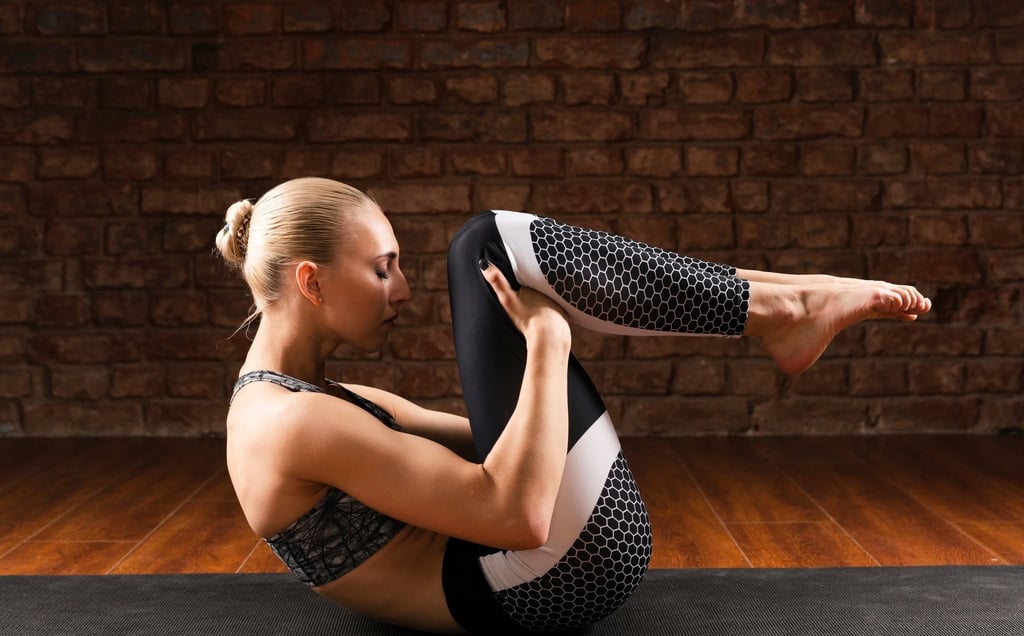
3. Roll Like a Ball (2 minutes): Sit with your knees bent into your chest, feet off the floor. Gently roll back onto your shoulder blades and return to the starting position. Repeat this motion five to eight times while engaging your core.
4. Single Leg Stretch (2 minutes): Lie on your back, lift your legs to a tabletop position. Extend one leg while pulling the other into your chest with both hands. Switch legs for ten repetitions while keeping your head and shoulders lifted.
5. Spine Stretch Forward (2 minutes): Sit with your legs extended and feet flexed. Inhale to sit up tall then exhale as you reach forward towards your toes, elongating your spine. Hold for a few seconds and repeat three times.
6. Side Lying Leg Lifts (2 minutes each side): Lie on your side with your body in a straight line. Lift your top leg up while keeping it straight, then lower it back down. Aim for 15 repetitions on each side.
7. Plank (2 minutes): Transition into a plank position, ensuring your back is flat and core engaged. Hold the position for 30 seconds to one minute, focusing on your breath.
8. Cool Down (2 minutes): Conclude your session with gentle stretching. Focus on areas such as your hamstrings and quadriceps to promote recovery.
This full-body Pilates routine, when performed with attention to form and continuity, can lead to significant improvements in flexibility and strength over time. By effectively transitioning between exercises, you maximize workout intensity and ensure a comprehensive body engagement.
Cool Down and Recovery Strategies
Cooling down after a full body Pilates session is essential for promoting muscle recovery and preventing soreness. Engaging in proper cool down techniques allows the body to transition gradually from the heightened state of exercise back to its resting state. The importance of this practice cannot be overstated, particularly in activities that emphasize flexibility and strength, such as Pilates.
One effective cool down technique involves gentle stretches that target the major muscle groups utilized during the session. For instance, a simple hamstring stretch can be performed by sitting on the floor with one leg extended and the other leg bent. Leaning forward towards the extended leg not only releases tension in the hamstrings but also promotes flexibility. Moreover, performing a cat-cow stretch on all fours helps mobilize the spine and alleviates any tightness in the back.
In addition to static stretches, incorporating breathing exercises into the cool down can be beneficial. Deep diaphragmatic breathing encourages relaxation and reduces heart rate, allowing for a more serene transition post-exercise. As participants inhale deeply through the nose and exhale slowly through the mouth, they enhance oxygen flow to the muscles, aiding in the recovery process.
Post-Pilates recovery practices should also include hydration and nutrition. Drinking water aids in the replenishment of fluids lost during the workout, while a light snack rich in protein and carbohydrates can foster muscle repair and recovery. Stretching deeply and using foam rollers are also recommended to release tension in muscles and joints, enhancing overall flexibility.
By integrating these cool down techniques and recovery practices into your routine, participants can alleviate muscle tightness and improve their overall workout experience, ensuring that the benefits of their full body Pilates session are fully realized.
Tips for Staying Consistent with Your Pilates Practice
Achieving consistency in your Pilates practice is essential for reaping the full benefits of this form of exercise. One effective strategy is to set realistic goals. By defining clear, attainable objectives—such as completing a certain number of sessions each week or mastering specific movements—you create a roadmap that guides your progress. Realistic goals help maintain motivation and provide a sense of accomplishment when milestones are achieved.
Creating a structured schedule can also enhance consistency. Designate specific days and times for your Pilates workouts and treat them as important appointments. This helps integrate Pilates into your daily routine, making it less likely for other activities to interfere. For those with particularly busy schedules, even short, focused sessions can be effective. Aim to fit in 20-minute workouts throughout the week, allowing flexibility around your other commitments.
Incorporating Pilates into your lifestyle is an excellent way to maintain your practice. Consider engaging in related activities that promote the same principles of strength and flexibility, such as yoga or swimming. Additionally, practicing mindfulness about your physical health can encourage adherence to your Pilates routine. Be mindful of how Pilates positively impacts your body and mental well-being; this awareness can strengthen your commitment.
Lastly, staying motivated is crucial for long-term success. Surround yourself with a supportive community or enlist a workout buddy. Sharing your goals and progress with others can reinforce your commitment and provide accountability. To further enhance motivation, track your progress through journals or apps. Celebrating small victories can boost your enthusiasm, making each Pilates session a rewarding experience.
Ready to get on the mat?
Book your first visit and experience the space for yourself. We'll confirm within 24 hours, and your first class is 20% off.
Address
Book My First Visit
info@travelyoga.com.br
+1-555-123-4567
© 2026 Travel Yoga. All rights reserved. reserved.
Questions about the studio, the schedule, or your first visit? Reach out and we'll help you find the best place to begin.